A 6 seater second hand car provides practical passenger capacity for families businesses and overseas buyers
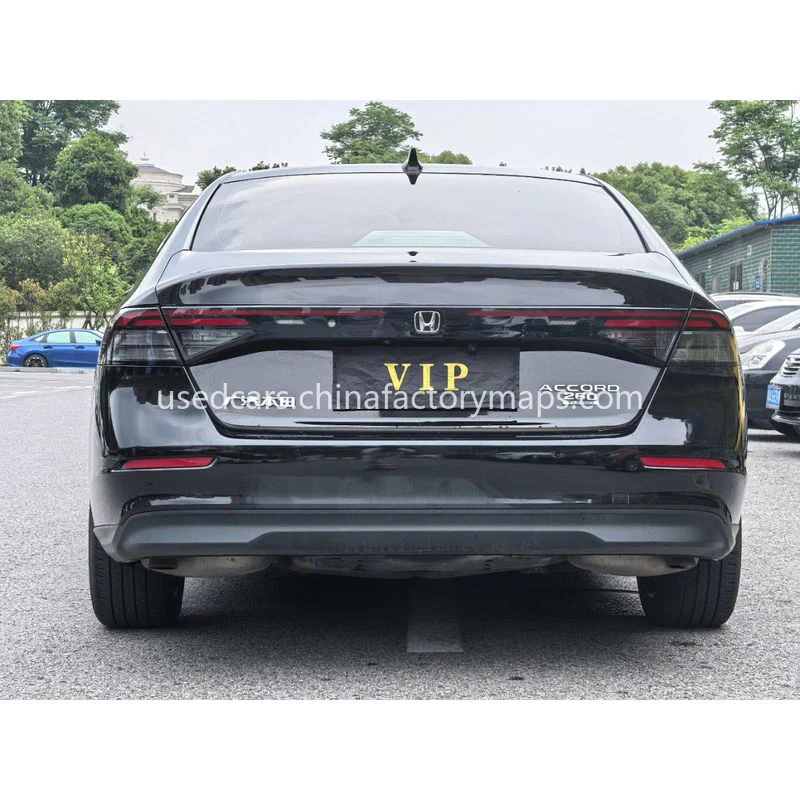
A 6-seater second-hand car can serve a variety of practical needs, from family transportation to business operations. Buyers in the used vehicle export market also find these vehicles appealing, especially in regions where affordability and passenger capacity are key factors. Understanding the features, sourcing options, and export considerations can help businesses and importers make informed decisions.
Versatility and Market Demand for 6-Seater Vehicles
Six-seater vehicles typically include models such as larger sedans, multi-purpose vehicles (MPVs), or compact SUVs. These vehicles are favored by families for their ability to accommodate both passengers and luggage. Businesses, such as ride-hailing services or tourism operators, value their seating capacity and fuel efficiency compared to larger vans or buses. In export-focused markets, such as the Middle East, Southeast Asia, and parts of Africa, these vehicles are often in demand due to their practicality and cost-effectiveness when compared to new vehicles.

Exporters of used six-seater cars must consider factors like left-hand drive or right-hand drive configurations, roadworthiness standards, and emission regulations in destination countries. Since most Chinese models are left-hand drive, markets requiring right-hand drive vehicles may need conversions, which can add to the cost and compliance requirements.
Sourcing and Export Considerations

Sourcing used six-seater vehicles often involves auctions, dealer networks, or direct purchases from previous owners. Exporters should prioritize vehicles with verified mileage, a clear accident history, and service records to ensure transparency. Pre-shipment inspections, required by China’s export regulations, are critical to confirm the vehicle’s condition and compliance with destination market standards.
Shipping options for these vehicles include roll-on/roll-off (RoRo) vessels or containerized shipping, depending on the buyer’s preference and budget. Exporters must also navigate documentation such as the vehicle inspection report, bill of lading, and certificate of origin. For buyers, understanding import duties, homologation requirements, and potential modifications for local compliance is essential.
Cost and After-Sales Support
The affordability of second-hand six-seater vehicles depends on factors such as age, mileage, brand, and condition. While these vehicles are generally more economical than larger alternatives, buyers should budget for potential repairs or upgrades. Spare parts availability should also be checked, particularly for older or less common models. Reliable after-sales support, including technical advice and spare parts sourcing, can add long-term value for importers.
FAQ
Q: What types of 6-seater vehicles are most commonly exported from China?
A: MPVs, larger sedans, and compact SUVs are the most common, as they balance passenger capacity and fuel efficiency.
Q: How can buyers verify the condition of a used six-seater car?
A: Buyers should review the vehicle inspection report, service records, and mileage verification, and may request additional third-party inspections.
Q: What are the shipping options for exporting six-seater vehicles?
A: Common options include RoRo shipping for cost efficiency or container shipping for added security and flexibility.
Related Articles
Featured Exporters
Verified premium exporters on our map.
-
 JH Auto Group
Guangzhou, Guangdong
Nearest port: Guangzhou Port · 24 km
At jh-usedcar.com, we’re more than just a seller; we’re your partner in finding exceptional value. We combine …
JH Auto Group
Guangzhou, Guangdong
Nearest port: Guangzhou Port · 24 km
At jh-usedcar.com, we’re more than just a seller; we’re your partner in finding exceptional value. We combine …
-
 Guangzhou JH auto co,ltd
Guangzhou, Guangdong
Nearest port: Guangzhou Port · 23 km
Guangzhou JH Auto Co., Ltd (JH Auto) buys used, left-hand-drive Chinese cars in China, inspects and documents …
Guangzhou JH auto co,ltd
Guangzhou, Guangdong
Nearest port: Guangzhou Port · 23 km
Guangzhou JH Auto Co., Ltd (JH Auto) buys used, left-hand-drive Chinese cars in China, inspects and documents …