
Buying Used Electric Cars Under $15,000: Key Checks for Exporters
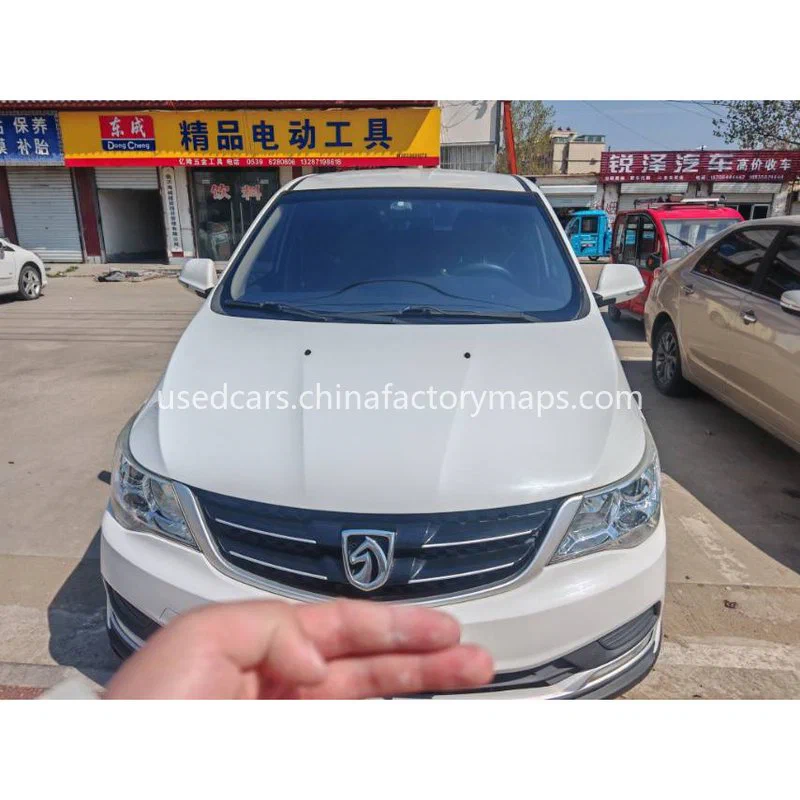
Used electric cars under $15,000 require closer inspection than a comparable combustion vehicle because battery condition can have a greater effect on usable range and resale value than the odometer suggests. This guide covers the checks overseas buyers should request from Chinese exporters, the paperwork needed before shipment, and how to assess suppliers before committing to a purchase.
Vehicle condition and battery checks
Start with a written condition assessment for each vehicle. Ask the exporter to provide photographs of the exterior, interior, underbody, tyres, charging port and instrument display. The report should identify previous collision repairs, paintwork, structural damage, water exposure and any warning lights. A general description such as good condition is not enough. Buyers should request a vehicle inspection report with separate findings for mechanical, electrical and cosmetic condition.
Mileage needs independent verification. Compare the odometer reading with available service records, inspection documents and vehicle history information linked to the VIN. Inconsistencies should be explained before payment. For an electric vehicle, request a battery state-of-health reading, the measurement method, the date of testing and any available battery diagnostic results. Also check charging performance, battery temperature management, remaining driving range and evidence of previous battery repairs. A dashboard range estimate alone does not establish battery capacity. Buyers should arrange an independent inspection where the transaction value justifies it.

Exporter credentials and shipping arrangements

China’s used vehicle exports operate through designated export pilot cities. Exporters must handle the applicable export licensing, customs declaration and pre-shipment inspection requirements. Ask the supplier whether it is the licensed exporting entity or an intermediary acting for another company. A direct exporter should be able to explain which entity holds the export licence, whose name appears on the commercial documents, and who is responsible for customs clearance. Request relevant business and export documentation before placing a deposit. A broker may still provide useful sourcing services, but the buyer needs to identify the actual exporter and understand who carries responsibility if paperwork is rejected or shipment is delayed.

Exporter arrangements vary by location. The directory maps suppliers in Guangdong, Hubei, Chongqing, Jiangsu, Henan, Sichuan, Beijing, Hunan and Shandong. Buyers can compare geographic positions against nearby shipping gateways, including Shanghai Port, Ningbo-Zhoushan Port, Shenzhen Port, Guangzhou Port and Qingdao Port. Proximity can affect inland transport arrangements, but it does not establish a lower shipping cost or faster departure. Confirm the proposed port of loading, transport route, shipping schedule and whether vehicles will travel by roll-on/roll-off (RoRo) service or inside containers. For EVs, also confirm carrier acceptance and applicable battery transport documentation. Container and RoRo arrangements may involve different handling requirements.
Questions to settle before payment
Before agreeing to a purchase, obtain the VIN, vehicle specification, production and registration details, mileage evidence, service history and inspection findings. Match the VIN across the vehicle, export documents and commercial invoice. Ask who arranges the pre-shipment inspection, who submits the customs declaration and who issues the shipping documents. The answers should identify responsible parties rather than simply promise that everything will be handled.
Destination compliance is equally important. Import rules differ by country and can cover vehicle age, emissions, left-hand or right-hand drive, roadworthiness, homologation and battery transport. Most Chinese domestic vehicles are left-hand drive, which limits their suitability for markets that accept only right-hand-drive vehicles. Confirm current requirements with the destination customs authority or a qualified local importer before transferring funds. Common problems include mismatched VIN records, incomplete export documents, undisclosed accident repairs, overstated battery health and unexpected port handling requirements. The directory helps buyers locate and compare exporters; it does not independently certify vehicle condition, supplier credentials or shipment eligibility. Keep inspection, payment and shipping milestones documented, with agreed procedures for resolving discrepancies before release of the vehicle.
FAQ
Q: Can used electric cars under $15,000 be sourced from China for export?
A: Yes, but availability depends on the vehicle, battery condition, exporter inventory and destination import rules. The purchase budget should also account for shipping, duties and local compliance costs.
Q: What battery information should an exporter provide?
A: Request a dated state-of-health report, diagnostic results, charging performance information and details of any battery repairs. Verify the findings through an independent inspection where possible.
Q: How can buyers distinguish a licensed exporter from a broker?
A: Ask which legal entity holds the export licence and appears on the customs and commercial documents. Confirm who handles export declarations, pre-shipment inspection and shipping responsibilities.
Related Articles
Featured Exporters
Verified premium exporters on our map.
 Guangzhou JH auto co,ltd
Guangzhou, Guangdong
Nearest port: Guangzhou Port · 23 km
Guangzhou JH Auto Co., Ltd (JH Auto) buys used, left-hand-drive Chinese cars in China, inspects and documents …
 JH Auto Group
Guangzhou, Guangdong
Nearest port: Guangzhou Port · 24 km
At jh-usedcar.com, we’re more than just a seller; we’re your partner in finding exceptional value. We combine …