
Certified Used Cars vs Used Cars: What the Label Means for Buyers
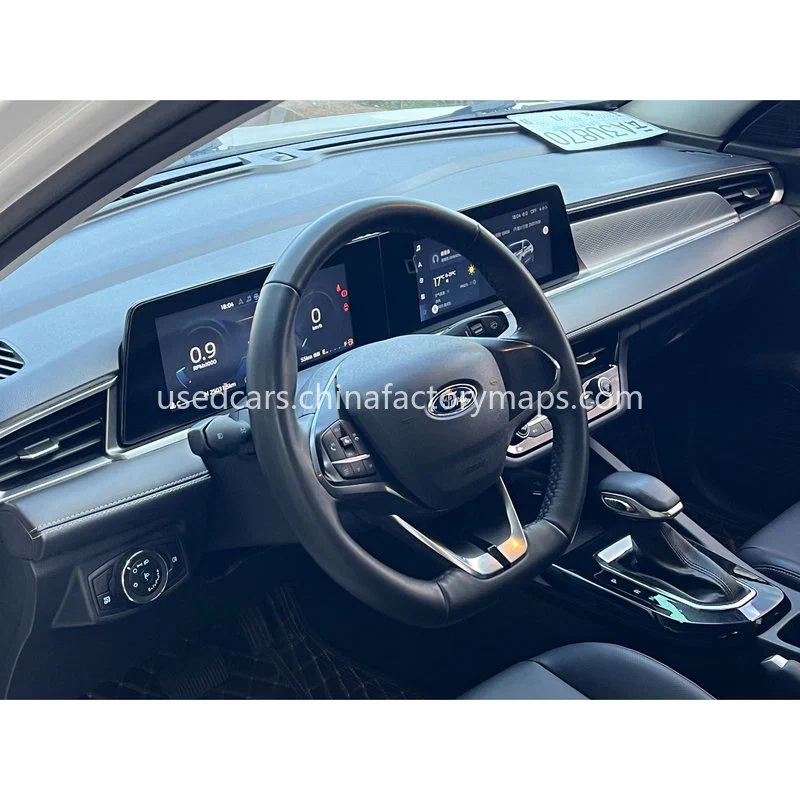
A certification label describes an inspection or sales program, not a universal export grade. For overseas buyers, the more important comparison is whether the specific vehicle’s equipment, condition and documentation fit the destination market.
What the label establishes

“Certified used” has no single meaning across exporters or countries. A certification may refer to a seller’s inspection, a manufacturer-backed program, or a third-party assessment. Its scope can differ: one may record visible defects and a road test, while another may include diagnostic checks or limited warranty terms. The label alone does not establish that a vehicle meets the buyer’s import rules or will be accepted for registration.
Ask for the inspection checklist, report date, inspector identity and findings, plus the written terms of any warranty. Match the report to the vehicle identification number and check that photographs show the same vehicle and its current condition. Verify mileage against available service records and diagnostic data where possible. A certificate is evidence of a stated process; it is not a guarantee of condition, mileage or history.
For the export decision, certified status matters only if the underlying checks address the risks that matter. A generic mechanical inspection may not test emissions performance, confirm a market-specific lighting configuration or assess an EV battery’s state of health. The practical question behind certified used car vs used is therefore what was inspected, by whom, and whether the evidence is useful for the intended destination.
Match the vehicle to the destination

Powertrain choice affects more than fuel or energy costs. A petrol or diesel vehicle may suit markets where refuelling and repair capacity are established, but buyers should check engine condition, transmission operation, diagnostic fault codes and emissions-related equipment. Hybrid vehicles add high-voltage components and battery checks to the inspection scope. An electric vehicle avoids combustion-engine maintenance but requires battery, charging and transport checks.
Emission compliance is separate from certification. Destination rules can set limits or approval requirements based on the vehicle’s emission standard, model details, age or registration category; requirements vary and can change. Confirm the current rule with the relevant authority or import agent before purchase. A seller’s certificate, domestic registration or inspection report does not by itself prove that the vehicle clears that market’s import and road-use requirements.
Drive side can be decisive. Most Chinese domestic vehicles are left-hand drive, which rules out purely right-hand-drive markets. Some destinations may allow exceptions or have different registration conditions, but buyers should verify the current rule rather than infer it from the vehicle’s export status. Where left-hand drive is permitted, still check headlamp aim, mirrors, speed display and other equipment against local roadworthiness requirements.
Parts support also changes the ownership calculation. A common model with service information and components available locally may be easier to maintain than a less familiar specification, even if both have similar inspection records. Confirm the exact model code, engine or motor variant, transmission and trim; vehicles sold under similar names can use different components. Ask local repairers or importers about routine parts and specialist diagnostic access before committing.
For EVs, check battery state-of-health evidence and how it was measured, including test conditions and any available battery-management-system report. Confirm connector type, charging protocol, onboard charger compatibility and voltage requirements against local charging infrastructure. Also establish whether battery condition affects usable range or charging speed. Export logistics need separate attention: batteries can trigger transport and documentation requirements that do not apply in the same way to combustion vehicles. A certification label may omit both charging compatibility and battery transport details.
Compare evidence, not labels
The “certified” option fits when its inspection is documented, relevant to the destination, and worth the cost or procurement constraints attached to it. It can reduce uncertainty if the report covers the vehicle’s actual powertrain and equipment and gives the buyer a clear route to resolve defects. It is less useful when the certificate is vague, the inspection scope is undisclosed, or the claimed warranty does not apply after export.

A non-certified used vehicle may still be a sound export candidate when independent inspection and document checks are available. Arrange a pre-shipment inspection and request dated photographs, a diagnostic scan where applicable, service records and a written list of known faults. Compare the report with the vehicle identification number and export documents. Treat mileage and history as claims to verify, not guarantees.
Sourcing location can help organize comparisons but cannot substitute for technical checks. China’s used vehicle exports run through designated export pilot cities and require export licensing, customs declaration and pre-shipment inspection. Vehicles ship by RoRo or in containers. A map-based directory can help buyers locate exporters by province and distance to covered ports, including Shanghai Port, Ningbo-Zhoushan Port and Shenzhen Port. Port proximity may inform logistics planning; it does not establish certification quality, vehicle suitability or a route’s final shipping terms.
Before selecting either label, confirm the destination’s current rules for vehicle age, emissions, drive side and roadworthiness, then make the inspection request specific to those requirements. For an EV, add battery health, charging compatibility and transport documentation. For any powertrain, reconcile the vehicle identity, specification and condition evidence before export. The useful comparison is not a badge against no badge, but verifiable evidence against the requirements the vehicle must meet.
FAQ
Q: Does a certified used car automatically meet export requirements? A: No. Certification describes a particular inspection or program and does not establish compliance with a destination’s import or registration rules.
Q: What should buyers verify on a used EV? A: Check battery state of health, charging connector and protocol compatibility, diagnostic evidence, and any battery-related transport requirements.
Featured Exporters
Verified premium exporters on our map.
 JH Auto Group
Guangzhou, Guangdong
Nearest port: Guangzhou Port · 24 km
At jh-usedcar.com, we’re more than just a seller; we’re your partner in finding exceptional value. We combine …
 Guangzhou JH auto co,ltd
Guangzhou, Guangdong
Nearest port: Guangzhou Port · 23 km
Guangzhou JH Auto Co., Ltd (JH Auto) buys used, left-hand-drive Chinese cars in China, inspects and documents …