
Certified Used Vehicles Reflect Shifts in China's Export Trade
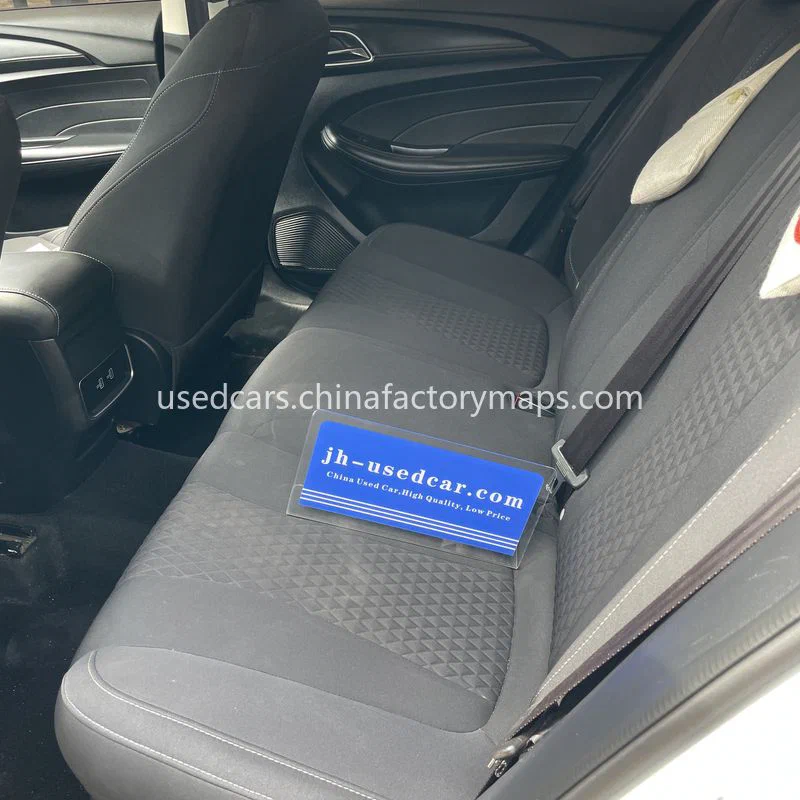
China’s used vehicle export trade is placing greater emphasis on documented vehicle condition, export compliance and suitability for destination markets. The shift affects how overseas buyers assess used certified vehicles, compare exporters and plan shipments. Geographic sourcing has become a practical part of that process, particularly when export procedures and port access influence delivery arrangements.
Certification language requires careful interpretation. In domestic retail markets, a certified used vehicle may be covered by a manufacturer or dealer inspection programme with defined standards. In cross-border trade, however, buyers should establish exactly what a certificate covers, who issued it and whether it is recognised in the destination market. An inspection report can document observed condition, but it does not automatically establish accident history, verify every mileage entry or guarantee future performance. Buyers sourcing complete vehicles for export need supporting records that can be checked independently, rather than relying on the word “certified” in a listing.
China’s export network also shapes sourcing decisions. Used vehicle exports operate through designated export pilot cities and require the appropriate export licensing, customs declaration and pre-shipment inspection. The mapped exporter clusters include Guangdong, Hubei, Chongqing and Jiangsu, alongside listings in Henan, Sichuan, Beijing, Hunan and Shandong. These locations give buyers a geographic starting point for comparing suppliers. A map-based directory adds another useful dimension by showing the distance between an exporter and a relevant port. Proximity alone does not establish a lower total shipping cost, since inland transport, handling, documentation and vessel arrangements also affect the final calculation.
Port selection is part of the same assessment. The directory covers Shanghai Port, Ningbo-Zhoushan Port, Shenzhen Port, Qingdao Port, Guangzhou Port, Tianjin Port and other export gateways. Vehicles may travel by roll-on/roll-off shipping, commonly called RoRo, or be loaded into containers. The appropriate method depends on vehicle dimensions, shipment volume, carrier availability and destination arrangements. Buyers should request the proposed port of loading, confirm who manages inland transport and export documentation, and compare the full logistics scope rather than judging an offer by the vehicle price alone. A nearby port may simplify handling, but the best route still depends on the destination and available services.

Vehicle selection is changing too, particularly as new energy vehicles enter the used export trade. Sedans, SUVs, MPVs and commercial vehicles each serve different purchasing requirements, while used electric vehicles introduce additional checks. Buyers should request battery state-of-health information, clarify how it was measured and consider whether the reported result can be independently verified. Battery condition can materially affect a vehicle’s usefulness and resale prospects. Transport arrangements may also require battery-specific documentation or handling, depending on the vehicle and shipping method. For every vehicle type, destination rules must be checked before a purchase is committed. Requirements can cover vehicle age, emissions, drive side, roadworthiness and homologation, and they vary by country and may change. Most domestic Chinese vehicles are left-hand drive, which limits their suitability for markets requiring right-hand-drive vehicles. Buyers sourcing now should match the vehicle specification to the intended market first, then compare exporters, evidence and shipping routes.

FAQ
Q: Does a certified label guarantee a used vehicle’s condition?
A: No. Buyers should verify the certificate issuer, inspection scope and supporting records, and arrange an independent inspection where appropriate.
Q: How does exporter location affect sourcing decisions?
A: Location helps buyers compare inland transport distances and potential port access. It does not by itself confirm shipping cost, transit time or export readiness.
Q: What should buyers check before exporting a used electric vehicle?
A: Confirm battery state of health, available inspection records, applicable battery transport requirements and the destination’s current import rules.
Featured Exporters
Verified premium exporters on our map.
 Guangzhou JH auto co,ltd
Guangzhou, Guangdong
Nearest port: Guangzhou Port · 23 km
Guangzhou JH Auto Co., Ltd (JH Auto) buys used, left-hand-drive Chinese cars in China, inspects and documents …
 JH Auto Group
Guangzhou, Guangdong
Nearest port: Guangzhou Port · 24 km
At jh-usedcar.com, we’re more than just a seller; we’re your partner in finding exceptional value. We combine …