
Cheap Used Luxury Cars for Family Travel in Southeast Asia
Sourcing a used luxury vehicle for family travel in Southeast Asia requires more than comparing purchase prices and equipment levels. Buyers need to match each vehicle to local import rules, driving conditions, maintenance capacity and family transport needs. A map-based directory of Chinese used car exporters can help identify suppliers by location and distance to export ports before the purchasing process begins.
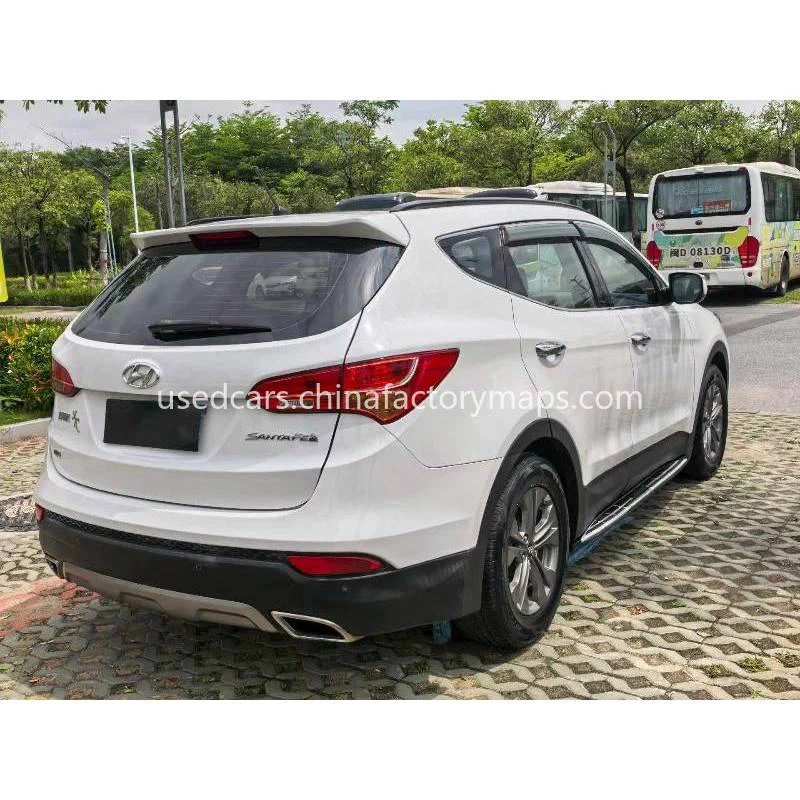
For family use, the right vehicle depends on the balance between passenger space, ground clearance, fuel consumption and long-term running costs. A luxury sedan may suit urban travel and highway journeys, while an SUV offers a higher seating position and can be useful on uneven roads. An MPV is often the more practical choice for larger families, frequent airport transfers or trips with substantial luggage. Buyers searching for cheap used luxury cars should compare the complete ownership cost rather than purchase price alone. Tyres, suspension components, air-conditioning repairs and electronic systems can make an older premium vehicle expensive to maintain. Before selecting a model, establish how many passengers it must carry, how much luggage it needs to accommodate and whether the vehicle will regularly travel beyond major cities.

Driving side is an early screening requirement. Thailand, Malaysia, Singapore and Indonesia use left-hand traffic, so right-hand-drive vehicles are generally the normal fit for local roads, subject to each country’s current import and registration rules. Most vehicles built for China’s domestic market are left-hand drive. That limits their suitability for destinations where right-hand drive is required or strongly preferred, and a vehicle’s availability in China does not establish that it can legally be imported. Buyers should confirm the destination’s current rules on steering position, vehicle age, emissions, roadworthiness and registration before negotiating a purchase. These requirements differ across Southeast Asia and may change. The same model can be eligible in one market but unsuitable in another. Written confirmation from the relevant authority or an experienced local customs broker is preferable to relying on a seller’s general statement that a vehicle can be exported.

Climate and road conditions also shape the specification. High temperatures, heavy rainfall, humid coastal air and seasonal flooding place demands on cooling systems, seals, electrical components and underbody protection. Family buyers should request close-up images of the underbody, suspension mounting points and areas vulnerable to corrosion, along with evidence that the air-conditioning system operates correctly. In regions with rough secondary roads, ground clearance and suspension condition may matter more than a long list of luxury features. Larger wheels and low-profile tyres can increase replacement costs and reduce comfort on damaged surfaces. Fuel quality deserves attention too. Engine variants can differ in their required octane rating, while some modern powertrains depend on maintenance procedures or diagnostic equipment that may not be readily available outside major service centres. Before choosing a premium petrol, diesel or hybrid model, check the manufacturer’s requirements against the fuel supply and repair facilities available at the intended destination.

The Chinese sourcing location can affect inspection arrangements and inland transport to the port. Guangdong has mapped exporter clusters in Guangzhou and Foshan, while Hubei includes Wuhan and Chongqing has its own group of listed exporters. Jiangsu’s mapped locations include Nanjing and Changzhou; Henan includes Zhengzhou, and Sichuan includes Neijiang. These locations give buyers several starting points for comparing available vehicles and requesting documentation. A map showing distance to the nearest export port can help estimate the inland logistics involved, but proximity alone does not establish the lowest delivered cost or the fastest shipment. The directory is a sourcing reference, not an exporter or seller, and listings should be treated as leads for independent due diligence. China’s used vehicle exports operate through designated export pilot cities and require export licensing, customs declaration and pre-shipment inspection. Buyers should confirm that the selected exporter can complete the applicable process for the specific vehicle and transaction.
Port selection and shipping method should be assessed after the vehicle and exporter have been shortlisted. The directory covers Shanghai Port, Ningbo-Zhoushan Port, Shenzhen Port, Qingdao Port, Guangzhou Port, Tianjin Port, Xiamen Port, Taicang Port, Beibu Gulf Port, Rizhao Port, Lianyungang Port and Yingkou Port. Depending on the route, vehicle dimensions, shipment arrangements and carrier availability, complete vehicles may travel by roll-on/roll-off (RoRo) service or inside containers. Request a written quotation that distinguishes inland transport, export handling, inspection, ocean freight, insurance and destination charges where applicable. Before payment, verify the vehicle identification number (VIN), ownership and export documents, service records, available mileage evidence and accident or flood history. Arrange an independent inspection with photographs and a written report, including a cold start, diagnostic scan and road test where feasible. For an electric or plug-in hybrid vehicle, request battery state-of-health information and confirm the applicable battery transport requirements. No mileage figure, condition description or service record should be accepted as a guarantee without supporting evidence.
FAQ
Q: Can Chinese used luxury cars be imported into every Southeast Asian market?
A: No. Import eligibility depends on the destination’s current rules for steering position, vehicle age, emissions, roadworthiness and registration. Confirm these requirements before committing to a vehicle.
Q: How should buyers compare Chinese exporters for family vehicles?
A: Use exporter location and distance to the nearest covered port to shortlist suppliers, then compare vehicle documentation, independent inspection findings, export readiness and a written delivered-cost estimate.
Related Articles
Featured Exporters
Verified premium exporters on our map.
 JH Auto Group
Guangzhou, Guangdong
Nearest port: Guangzhou Port · 24 km
At jh-usedcar.com, we’re more than just a seller; we’re your partner in finding exceptional value. We combine …
 Guangzhou JH auto co,ltd
Guangzhou, Guangdong
Nearest port: Guangzhou Port · 23 km
Guangzhou JH Auto Co., Ltd (JH Auto) buys used, left-hand-drive Chinese cars in China, inspects and documents …