
China's Expanding Used Vehicle Export Trade and Shifting Demand
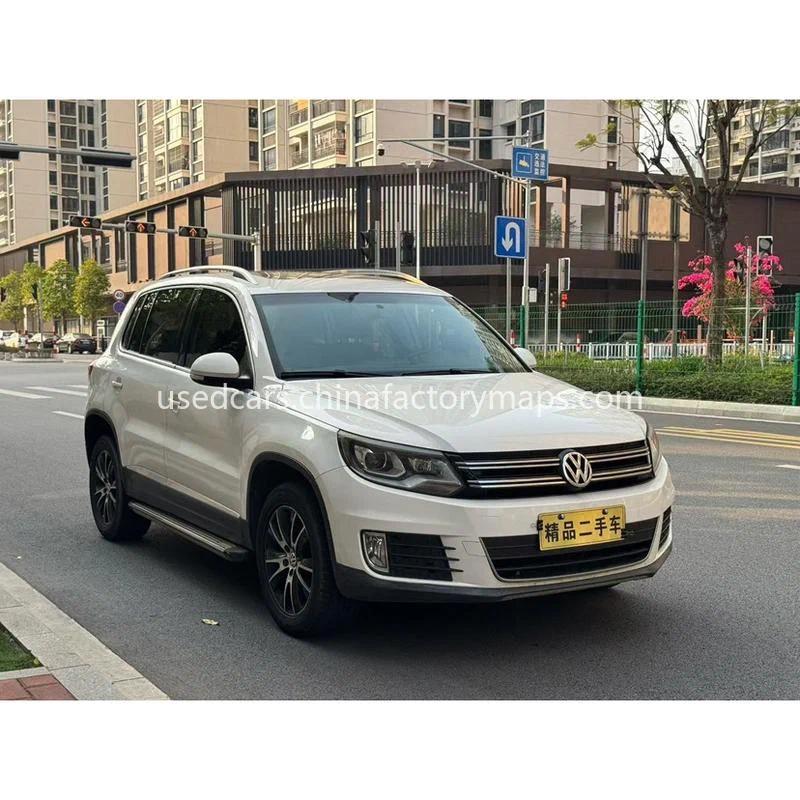
China’s used vehicle export trade is changing as overseas buyers show interest in a wider range of vehicle categories, including sedans, SUVs, MPVs, commercial vehicles and new energy vehicles. For buyers sourcing from China, the main shift is not simply the availability of more vehicles. Exporter location, destination-market compatibility and shipping arrangements are becoming more important parts of the purchasing decision.
Shifting demand and vehicle sourcing patterns
Demand for Chinese used vehicles is becoming more varied across destination markets. Some buyers continue to focus on conventional petrol vehicles, particularly sedans and SUVs suited to established maintenance networks. Others are examining hybrid and electric vehicles as local charging infrastructure and consumer preferences develop. Commercial vehicles also remain relevant to importers serving transport, logistics and business fleets.
This changing demand affects how overseas dealers approach second hand vehicles for sale. Rather than sourcing exclusively by model or advertised price, buyers increasingly need to consider the intended market, vehicle specification and availability of technical support. A vehicle that attracts interest in one country may have limited resale potential elsewhere because of differences in driving configuration, emissions requirements or charging standards. Sourcing decisions therefore require a closer connection between vehicle selection and destination-market demand.

Chinese exporters are distributed across several manufacturing and trading centres. The current ChinaFactoryMaps directory identifies exporter clusters in Guangdong, Hubei, Chongqing, Jiangsu, Henan, Sichuan, Beijing, Hunan and Shandong. Guangdong includes listed exporters in Guangzhou and Foshan, while Hubei has a cluster around Wuhan. These locations provide buyers with different starting points for supplier research. Comparing exporters geographically can help importers identify potential sourcing areas without assuming that proximity to a major automotive centre automatically means better inventory or more favourable commercial terms.
Logistics, compliance and supplier evaluation

Port access is another factor influencing sourcing decisions. Exporters may arrange shipments through ports such as Shanghai, Ningbo-Zhoushan, Shenzhen, Guangzhou, Qingdao and Tianjin, alongside other listed facilities. Distance to the nearest export port can affect inland transport planning and the overall logistics arrangement. Vehicles generally move internationally through roll-on/roll-off shipping or container shipping, depending on vehicle dimensions, shipment arrangements and buyer requirements. Exporters must also address the applicable export licensing process, customs declaration and pre-shipment inspection. Buyers should establish which party handles each stage before agreeing to a transaction.
The growing presence of new energy vehicles adds another layer to procurement. Battery state of health is a central inspection consideration for used electric vehicles, alongside charging compatibility, battery documentation and transport requirements. Combustion vehicles require different checks, including engine operation, transmission performance and maintenance records. For every category, buyers should request vehicle identification numbers, mileage evidence, available service history, accident records and inspection documentation. Independent verification is preferable to relying solely on seller descriptions. Export eligibility must also be distinguished from import eligibility: destination authorities determine applicable vehicle-age restrictions, emissions rules, roadworthiness standards and driving-side requirements. Most Chinese domestic vehicles are left-hand drive, making market compatibility particularly important for buyers targeting right-hand-drive countries.
For overseas sourcing teams, a location-based directory offers a practical starting point for comparing potential exporters. ChinaFactoryMaps plots listed suppliers geographically and allows buyers to examine their locations in relation to major export ports. The mapped directory covers complete used vehicles rather than auto parts, dismantled components or salvage inventory. Its geographic coverage helps narrow supplier research, but individual businesses still require commercial and operational checks. Before placing an order, buyers should confirm the exporter’s licensing position, available stock, inspection arrangements, payment conditions, shipping responsibilities and documentation process. These checks help establish whether a potential supplier fits the requirements of a particular import programme.
FAQ
Q: Which Chinese regions are relevant for sourcing used vehicles for export?
A: The directory currently maps exporters in Guangdong, Hubei, Chongqing, Jiangsu, Henan, Sichuan, Beijing, Hunan and Shandong. Buyers can compare listed locations and their proximity to covered export ports.
Q: What should overseas buyers verify before purchasing used vehicles from China?
A: Buyers should verify exporter licensing, vehicle identity, mileage, condition, inspection records, destination-market import requirements and shipping documentation. Electric vehicle purchases also require battery health and transport checks.
Related Articles
Featured Exporters
Verified premium exporters on our map.
 JH Auto Group
Guangzhou, Guangdong
Nearest port: Guangzhou Port · 24 km
At jh-usedcar.com, we’re more than just a seller; we’re your partner in finding exceptional value. We combine …
 Guangzhou JH auto co,ltd
Guangzhou, Guangdong
Nearest port: Guangzhou Port · 23 km
Guangzhou JH Auto Co., Ltd (JH Auto) buys used, left-hand-drive Chinese cars in China, inspects and documents …