
China's Online Used Cars Market Shifts With Export Growth
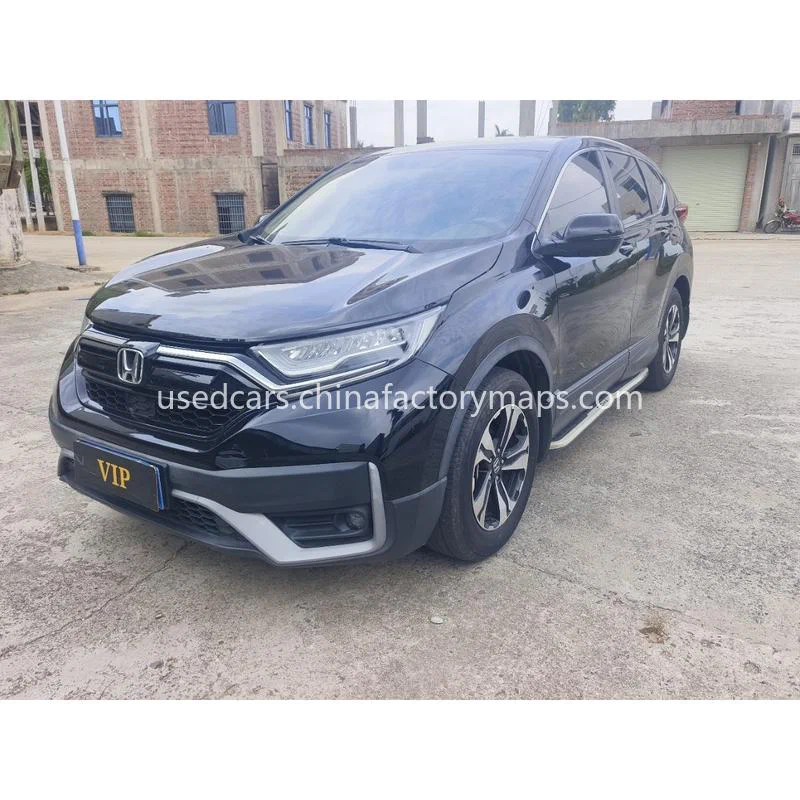
China’s used vehicle export market is changing as online sourcing tools, regional exporter networks, and international demand reshape how overseas buyers identify suppliers. This page examines the shift in Chinese used car exports and the practical factors buyers should consider when selecting exporters by location, vehicle type, and shipping route.
Online sourcing changes exporter discovery
Digital listings are making it easier for buyers to compare exporters across China rather than relying only on traditional contacts. The rise of the second hand car online search model has increased visibility for exporters handling sedans, SUVs, MPVs, commercial vehicles, and new energy vehicles. A map-based directory adds another layer by showing where exporters operate and how their locations relate to major export ports.
Location has become a practical sourcing factor. Exporters in Guangdong may have access to routes through Shenzhen Port and Guangzhou Port, while exporters in Jiangsu may connect with ports such as Shanghai Port, Taicang Port, and Lianyungang Port. Buyers can use geographic information to assess transport arrangements before discussing vehicle selection and purchase terms.
Chinese used vehicle exports operate through designated export pilot cities and require export licensing, customs declaration, and pre-shipment inspection. Vehicles may be shipped by RoRo or loaded into containers depending on the vehicle type, destination requirements, and shipping arrangements. The export process means buyers need to review documentation capability alongside vehicle availability.
Regional clusters reflect different sourcing patterns
Exporter activity is spread across several regions, with mapped clusters in Guangdong, Hubei, Chongqing, Jiangsu, Henan, Sichuan, Beijing, Hunan, and Shandong. These areas connect different industrial bases and transport networks, giving overseas buyers more options when searching for specific vehicle categories.
Guangdong is closely linked with southern shipping routes, while Jiangsu and nearby eastern ports provide access to major maritime connections. Hubei, including Wuhan, and Chongqing represent inland sourcing locations where logistics planning becomes an important part of export discussions. Buyers comparing suppliers should consider both the exporter’s inventory and the distance to the selected port of loading.
The growth of export channels does not remove the need for verification. Vehicle condition, mileage, maintenance history, and ownership records should be checked through available documents and inspection processes. An exporter’s location can support logistics planning, but it does not by itself confirm the condition or suitability of a vehicle.

Vehicle categories and destination requirements
Chinese exporters handle a broad mix of vehicles, from passenger cars to commercial vehicles and electric models. Demand patterns vary by destination market, with some buyers focused on conventional fuel vehicles and others looking for used EVs or hybrid vehicles. Each category requires different checks before purchase.
Used EV exports require additional attention because battery condition affects vehicle assessment and future use. Buyers should review battery state of health information where available and understand battery transport requirements that may apply during shipping. These considerations are different from those involved with combustion vehicles.
Destination markets also set their own rules for imported vehicles. Requirements related to vehicle age, emission standards, drive side, and roadworthiness differ by country and can change over time. Most Chinese domestic vehicles are left-hand drive, which limits suitability for markets that require exclusively right-hand-drive vehicles.
Practical checks for overseas buyers
A sourcing decision usually involves more than finding a listed vehicle. Buyers should request vehicle details, inspection reports where available, VIN information, service records, and export documentation before completing a transaction. These checks help identify gaps in vehicle history and reduce uncertainty during international purchasing.
Shipping arrangements also need early attention. RoRo shipping may suit certain complete vehicles, while container shipping may be selected for other requirements. Port choice, freight arrangements, customs procedures, and destination clearance requirements should be confirmed before shipment.
The role of a directory is to improve supplier discovery rather than guarantee a transaction outcome. Exporter mapping helps buyers compare locations and logistics options, while direct communication and independent verification remain necessary parts of international vehicle sourcing.
Export trade considerations for current buyers

The used vehicle export sector is becoming more structured as exporters build experience with overseas markets. Buyers are increasingly looking beyond vehicle availability and considering documentation, inspection processes, shipping routes, and after-sales arrangements when evaluating suppliers.
The shift toward digital sourcing also changes how smaller buyers access Chinese vehicles. A buyer can identify exporters in different provinces, compare transport distances to ports, and narrow options before starting commercial discussions. This reduces some early search work, although final decisions still depend on vehicle checks and destination regulations.
China’s export network now includes exporters connected with ports such as Ningbo-Zhoushan Port, Qingdao Port, Tianjin Port, Xiamen Port, Beibu Gulf Port, Rizhao Port, and Yingkou Port. These connections give overseas buyers more geographic choices, but successful sourcing still depends on matching the vehicle, exporter, shipping method, and import requirements.
FAQ
Q: How are Chinese used car exporters selected for a directory?
A: A directory can organize exporters by mapped location and available business information. Buyers should still verify exporter qualifications, documentation ability, and vehicle details directly.
Q: What should buyers check before importing a used vehicle from China?
A: Buyers should review vehicle history, mileage records, inspection information, VIN details, export documents, and destination import requirements. The final checks depend on the vehicle and the receiving market.
Q: Are Chinese used EV exports different from combustion vehicle exports?
A: Yes. Used EVs require additional attention to battery state of health and battery transport considerations. Buyers should confirm the relevant shipping and destination requirements before purchase.
Related Articles
Featured Exporters
Verified premium exporters on our map.
 Guangzhou JH auto co,ltd
Guangzhou, Guangdong
Nearest port: Guangzhou Port · 23 km
Guangzhou JH Auto Co., Ltd (JH Auto) buys used, left-hand-drive Chinese cars in China, inspects and documents …
 JH Auto Group
Guangzhou, Guangdong
Nearest port: Guangzhou Port · 24 km
At jh-usedcar.com, we’re more than just a seller; we’re your partner in finding exceptional value. We combine …