
China's Used-Car Export Trade Is Reaching New Markets
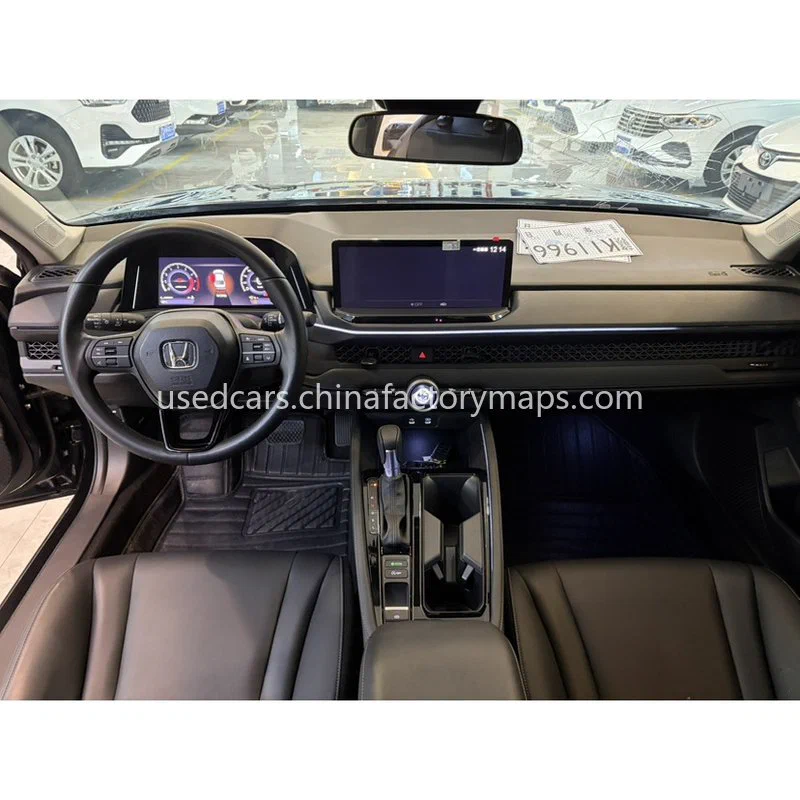
China’s used-vehicle export trade is broadening beyond established routes, with exporters serving more destination markets and offering a wider mix of complete vehicles. For buyers sourcing now, that means comparing suppliers by location, export access and vehicle type, while checking destination rules and shipment details before committing.
The mapped exporter clusters show how supply is distributed across China. Guangdong includes exporters in Guangzhou and Foshan, while Hubei’s listings include Wuhan; other mapped locations include Chongqing, Nanjing, Changzhou, Zhengzhou, Neijiang, Beijing, Zhuzhou and Liaocheng. These clusters are not interchangeable: the distance to a suitable port can affect inland transport and coordination. A geographic directory helps buyers identify exporters near ports such as Shanghai, Ningbo-Zhoushan, Shenzhen, Qingdao, Guangzhou and Tianjin, then compare alternatives across the wider port network.
The product mix is also changing. Alongside sedans, SUVs and MPVs, exporters handle commercial vehicles and new energy vehicles, including used EVs. That expands sourcing options but adds checks. For an electric vehicle, request evidence of battery state of health and clarify how the battery will be handled for transport. For any vehicle, verify the VIN, mileage records, service and accident history, and current condition through documents and an independent inspection where available. Listings and seller statements are starting points, not guarantees.

More destinations do not mean one uniform export process. Chinese used-vehicle exports run through designated export pilot cities and require export licensing, customs declaration and pre-shipment inspection. Vehicles are shipped by RoRo or loaded into containers. Buyers should confirm who is responsible for each export step, which documents will be supplied, and how the port of loading fits the destination route. For used cars for 2000, search wording may reflect a buyer’s budget or vehicle preference, but any offer still needs a clear specification and a landed-cost comparison.
Import requirements remain destination-specific. Age limits, emissions rules, roadworthiness standards and drive-side requirements can differ by country and change over time; buyers should confirm current rules with local authorities or a qualified importer before purchase. Most Chinese domestic vehicles are left-hand drive, which excludes them from markets that accept only right-hand-drive vehicles. The practical shift is therefore not simply more supply, but more choices that require tighter matching between vehicle specification, compliance and logistics. Comparing exporters by mapped location and nearest export port can narrow the field, while document checks and destination-market verification remain essential.

FAQ
Q: What should a buyer compare when choosing a Chinese used-car exporter? A: Compare vehicle specification and evidence, exporter location, distance to a suitable port, export responsibilities and the documents available for the transaction.
Q: Are used EVs subject to additional checks? A: Yes. Buyers should verify battery state of health and confirm battery transport arrangements, in addition to the usual vehicle and export checks.
Q: Do Chinese used vehicles meet the same import rules in every destination? A: No. Age, emissions, drive side and roadworthiness rules vary and may change, so confirm current requirements for the destination before purchase.
Related Articles
Featured Exporters
Verified premium exporters on our map.
 JH Auto Group
Guangzhou, Guangdong
Nearest port: Guangzhou Port · 24 km
At jh-usedcar.com, we’re more than just a seller; we’re your partner in finding exceptional value. We combine …
 Guangzhou JH auto co,ltd
Guangzhou, Guangdong
Nearest port: Guangzhou Port · 23 km
Guangzhou JH Auto Co., Ltd (JH Auto) buys used, left-hand-drive Chinese cars in China, inspects and documents …