
China's Used Car Trade Evolves With Buyer Negotiation Trends
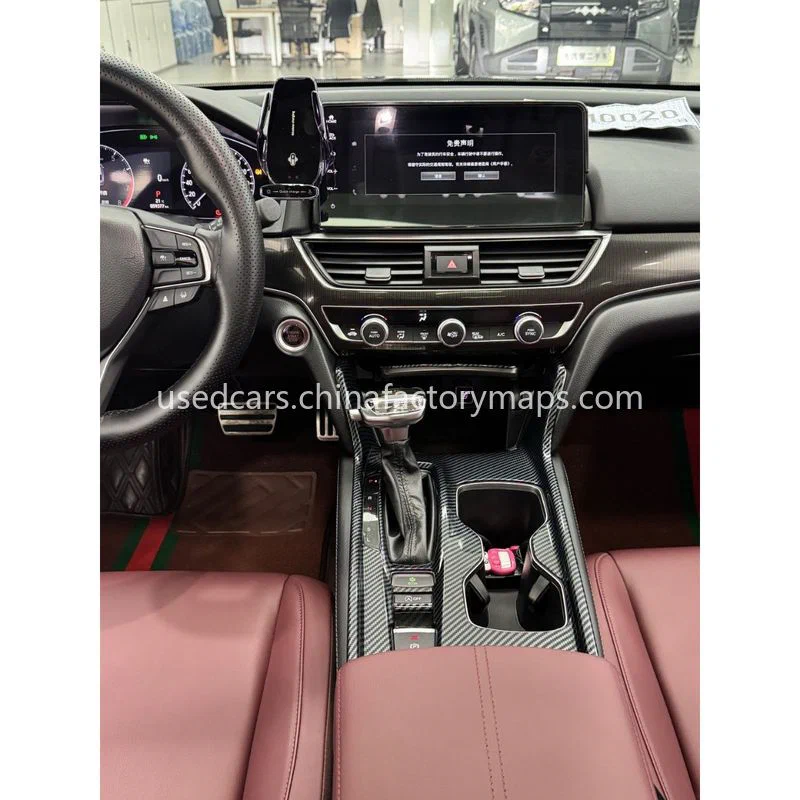
Chinese used vehicle exports are changing as overseas buyers place more attention on negotiation, verification, and sourcing processes. This article examines how buyer expectations are shifting and what exporters, ports, and sourcing channels mean for current purchasing decisions. The focus is complete vehicles for export, including passenger cars, commercial vehicles, and new energy vehicles.
Buyer negotiation becomes more information driven

Used vehicle purchasing from China is moving away from simple price discussions. Buyers increasingly compare vehicle specifications, condition records, export procedures, and logistics options before making commitments. A lower purchase price alone does not define a suitable transaction because inspection requirements, shipping arrangements, and destination rules affect the final outcome.
The negotiation process now involves clearer questions about vehicle history, mileage records, battery condition for electric vehicles, and available documentation. Buyers researching how to negotiate used car purchase often need to prepare a checklist before contacting exporters. This includes confirming the vehicle type, intended destination, required import documents, and whether the vehicle configuration matches local road regulations.
Regional sourcing patterns also influence negotiation. Exporter clusters mapped in Guangdong, Hubei, Chongqing, Jiangsu, Henan, Sichuan, Beijing, Hunan, and Shandong give buyers different points of contact across China. Locations closer to major logistics routes may offer practical advantages, but the buyer still needs to review each vehicle and exporter individually rather than relying only on geography.
The growth of new energy vehicle exports has added another negotiation factor. Electric vehicles require attention to battery state of health, charging compatibility, and transport considerations that do not apply in the same way to combustion vehicles. Buyers comparing electric models need more technical information before agreeing on terms, especially when vehicles will be used in markets with different charging infrastructure.
Export procedures shape purchasing decisions

Chinese used vehicle exports involve formal processes rather than only a private sale agreement. Export licensing, customs declaration, and pre-shipment inspection are part of the trade flow. Vehicles may be transported by RoRo shipping or loaded into containers depending on the shipment arrangement and vehicle requirements.
Ports influence planning and cost discussions. Export activity may connect with locations such as Shanghai Port, Ningbo-Zhoushan Port, Shenzhen Port, Qingdao Port, Guangzhou Port, Tianjin Port, Xiamen Port, Taicang Port, Beibu Gulf Port, Rizhao Port, Lianyungang Port, and Yingkou Port. A buyer evaluating suppliers can consider the relationship between an exporter location and available port options, while still checking the actual shipping route and service arrangements.

Destination requirements remain a major negotiation point. Countries and regions set their own rules for vehicle age, emission standards, drive side, and roadworthiness. Many Chinese domestic vehicles are left-hand drive, which can limit suitability for markets that require right-hand-drive vehicles. Buyers should confirm current import conditions before selecting vehicles.
Another shift is the increased use of inspection information during negotiations. A vehicle inspection report, VIN check, service history review, and mileage verification can help buyers assess available information before purchase. These records support decision-making, but they do not replace independent checks where required or available.
The role of exporters is also changing as buyers seek clearer communication before shipment. A sourcing relationship now often includes discussion of vehicle specifications, documentation preparation, shipping method, and payment terms. Exporters that provide organized information can reduce uncertainty during cross-border transactions, while buyers still need to verify details that affect their own markets.
Regional differences create different sourcing considerations. Guangdong exporters may connect with nearby ports including Shenzhen Port and Guangzhou Port, while exporters in Jiangsu may consider access through Shanghai Port or Taicang Port. Hubei, Chongqing, and inland regions may require additional logistics planning before vehicles reach an export port.
The used vehicle trade is also seeing more attention from dealers seeking repeat sourcing relationships rather than isolated purchases. Wholesale buyers may compare multiple suppliers, evaluate available inventory categories, and build processes for inspection and shipping. The directory model helps buyers identify exporter locations, but the final transaction requires direct verification between the buyer and exporter.
FAQ
Q: What should buyers discuss before purchasing used vehicles from China? A: Buyers should confirm vehicle specifications, available records, export documents, shipping arrangements, and destination market requirements. Vehicle condition and history should be verified through appropriate checks.
Q: Are electric vehicles negotiated differently from traditional used cars? A: Yes. Electric vehicles require additional review of battery state of health, charging compatibility, and transport considerations. Buyers should confirm technical details before purchase.
Related Articles
Featured Exporters
Verified premium exporters on our map.
 JH Auto Group
Guangzhou, Guangdong
Nearest port: Guangzhou Port · 24 km
At jh-usedcar.com, we’re more than just a seller; we’re your partner in finding exceptional value. We combine …
 Guangzhou JH auto co,ltd
Guangzhou, Guangdong
Nearest port: Guangzhou Port · 23 km
Guangzhou JH Auto Co., Ltd (JH Auto) buys used, left-hand-drive Chinese cars in China, inspects and documents …