Choosing Between Left-Hand and Right-Hand Drive for Imports
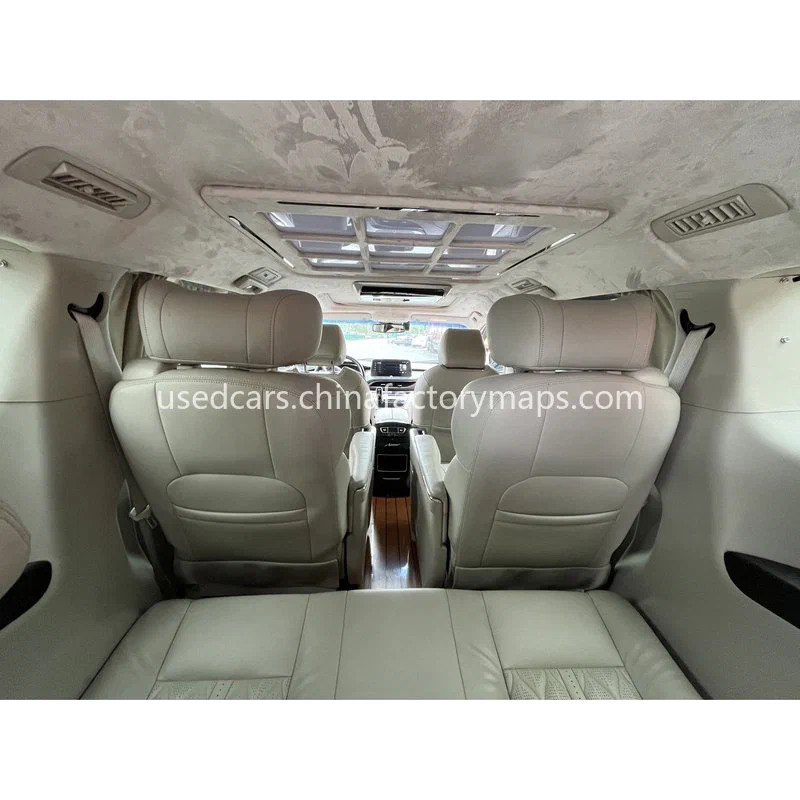
When choosing a used vehicle for export, one of the key considerations is whether to opt for a left-hand drive (LHD) or right-hand drive (RHD) vehicle. This decision depends on the regulations and infrastructure of the destination market, as well as the intended use of the vehicle. Other factors, such as emission standards, powertrain compatibility, and availability of replacement parts, also play critical roles in the decision-making process.
Key Factors to Consider
LHD vehicles are the standard in China, as well as in many global markets, including the Americas, Europe, and parts of Africa and Asia. RHD vehicles, on the other hand, are primarily used in countries like India, Japan, Australia, the UK, and several African nations. Buyers should confirm which drive-side rule applies in their destination country, as importing a vehicle with the wrong drive orientation may result in non-compliance with local regulations or additional conversion costs.

Powertrain type is another important variable. Traditional internal combustion engine (ICE) vehicles are generally easier to maintain in markets with established fuel supply chains and mechanics familiar with such engines. New energy vehicles (NEVs), such as electric and hybrid cars, are gaining traction globally but require consideration of the availability of compatible charging infrastructure and battery servicing options in the destination market. Buyers should also verify the vehicle’s charging standard—Chinese NEVs may use different plugs or voltage requirements compared to those commonly used in other regions.

Emission standards are a regulatory hurdle that can vary significantly. While many Chinese vehicles meet the “China 6” standard, which aligns closely with Euro 6, some destination markets, particularly in Africa and Southeast Asia, may accept vehicles with less stringent emission levels. Countries with stricter standards may reject older vehicles or require costly modifications to make them compliant. It is advisable to verify the current emission requirements of the destination market before making a purchase.
When considering availability of spare parts, buyers should evaluate the market presence of the vehicle’s manufacturer. Vehicles produced by globally recognized brands tend to have better support for spare parts and servicing, even in remote markets. Conversely, Chinese domestic brands, though increasingly competitive in quality and price, might pose challenges in sourcing parts outside China, particularly in smaller or less developed markets.
Finally, shipping logistics may influence the decision. RHD vehicles exported from China are typically sourced from specific regions or ports, and buyers should factor in the transit time and shipping method—whether roll-on/roll-off (RoRo) or containerized. For used NEVs, additional care may be needed to ensure the battery state-of-health is verified and appropriate measures are taken for safe battery transport.

FAQ
Q: Can I buy a used car in China and convert it from left-hand to right-hand drive? A: Technically, conversions are possible, but they are often costly and may not meet the regulatory standards of the destination market. Check local rules before considering this option.
Q: Are used electric vehicles from China suitable for all export markets? A: Not necessarily. Compatibility with local charging infrastructure and adherence to battery transport and safety regulations must be confirmed.
Featured Exporters
Verified premium exporters on our map.
-
 Guangzhou JH auto co,ltd
Guangzhou, Guangdong
Nearest port: Guangzhou Port · 23 km
Guangzhou JH Auto Co., Ltd (JH Auto) buys used, left-hand-drive Chinese cars in China, inspects and documents …
Guangzhou JH auto co,ltd
Guangzhou, Guangdong
Nearest port: Guangzhou Port · 23 km
Guangzhou JH Auto Co., Ltd (JH Auto) buys used, left-hand-drive Chinese cars in China, inspects and documents …
-
 JH Auto Group
Guangzhou, Guangdong
Nearest port: Guangzhou Port · 24 km
At jh-usedcar.com, we’re more than just a seller; we’re your partner in finding exceptional value. We combine …
JH Auto Group
Guangzhou, Guangdong
Nearest port: Guangzhou Port · 24 km
At jh-usedcar.com, we’re more than just a seller; we’re your partner in finding exceptional value. We combine …