Comparing Emission Standards in Affordable Second-Hand Cars
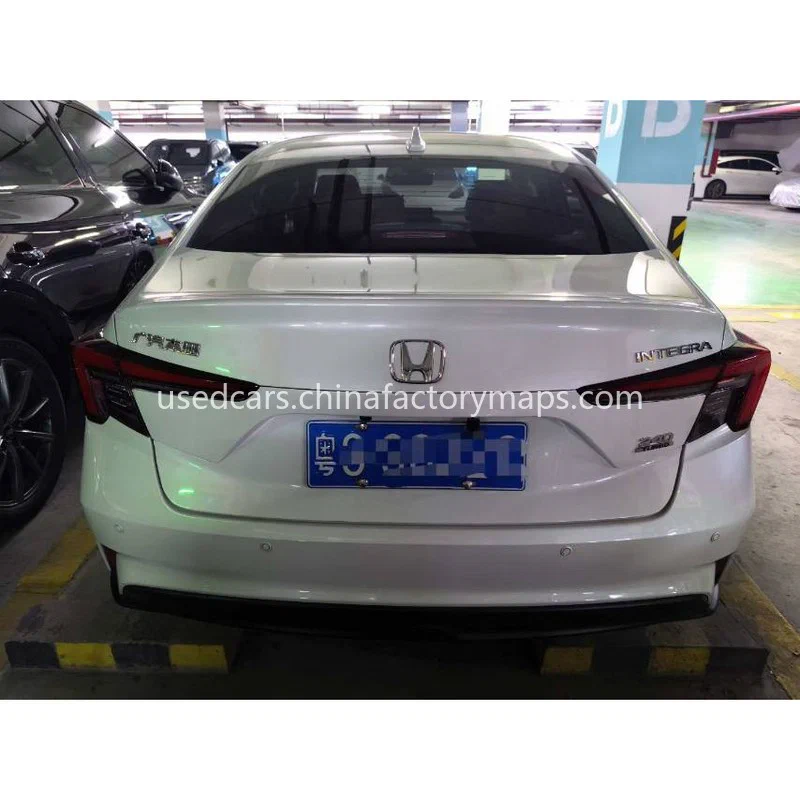
Emission standards play a critical role in the export of used cars, as they determine whether a vehicle can meet the regulatory requirements of the destination market. For buyers evaluating second-hand cars cheap for import, understanding these standards is essential. Powertrain configurations, drive side compatibility, and parts availability also factor into the decision-making process, especially for markets with varying infrastructure and regulatory landscapes.
Emission Standards and Compliance
Emission standards vary widely across countries, with many aligning to frameworks like Euro 4, Euro 5, or Euro 6, or their regional equivalents. Buyers should verify whether a vehicle’s certification aligns with the destination market’s requirements. For example, some African countries accept older standards, while many in Europe and parts of Asia enforce stricter limits. Pre-shipment inspections often include emissions testing, but buyers should confirm compliance before purchase to avoid complications at customs.
Powertrain Considerations
Internal combustion engine (ICE) vehicles remain the most common in exports, but hybrid and fully electric vehicles (EVs) are gaining traction. EVs must meet specific charging standards, with compatibility varying between regions—European countries often use the Type 2 plug, while North America and parts of Asia may require different connectors. Battery health is another key factor, as buyers need to ensure the state-of-health (SoH) aligns with the vehicle’s advertised specifications. For ICE vehicles, engine type and fuel compatibility can influence import duties and operating costs.
Drive Side and Market Fit
Left-hand-drive (LHD) vehicles dominate China’s domestic market, limiting their suitability for countries that require right-hand-drive (RHD) configurations. Exporters in the directory often specify whether RHD conversions are available, but buyers should weigh the cost and quality of these modifications. Countries with mixed drive-side regulations may offer more flexibility but still require verification of roadworthiness and homologation.
Parts Availability and Maintenance
The availability of spare parts can significantly impact the long-term usability of exported vehicles. Buyers importing vehicles into regions without established parts supply lines may face higher costs and longer repair times. Popular global brands like Toyota and Hyundai generally have better aftermarket support, while less common Chinese brands may require sourcing parts directly from China. For EVs, the availability of replacement batteries and charging infrastructure should also be evaluated.
Cost Implications of Compliance
Vehicles that meet newer emission standards or include advanced powertrains like hybrids or EVs often come at a premium. However, these options can result in lower operational costs in regions with high fuel prices or incentives for low-emission vehicles. Buyers targeting countries with less stringent standards may find more cost-effective options among older models, but should still scrutinize the vehicle’s condition and service history to avoid unexpected maintenance expenses.
Practical Steps for Buyers

To ensure a smooth transaction, buyers should prioritize clarity on key documents like the vehicle inspection report and certificate of origin. These help confirm the vehicle’s compliance with market-specific regulations. For EVs, requesting a battery state-of-health report is critical. Buyers should also consider shipping options—whether roll-on/roll-off (RoRo) or container shipping—and their impact on cost and transit time. Verifying the exporter’s proximity to major ports like Shanghai or Guangzhou can further streamline logistics.

FAQ
Q: How do I check if a used car meets my country’s emission standards?
A: Verify the vehicle’s emission certification and compare it with your country’s current regulations. Consult with local authorities for confirmation.
Q: Are left-hand-drive vehicles allowed in right-hand-drive countries?
A: Some countries allow LHD vehicles, but others require RHD conversions. Confirm your destination’s regulations before purchase.
Q: Is it worth importing an electric vehicle?
A: It depends on your market’s charging infrastructure and the vehicle’s battery health. Ensure compatibility with local charging standards and evaluate maintenance options.
Featured Exporters
Verified premium exporters on our map.
-
 JH Auto Group
Guangzhou, Guangdong
Nearest port: Guangzhou Port · 24 km
At jh-usedcar.com, we’re more than just a seller; we’re your partner in finding exceptional value. We combine …
JH Auto Group
Guangzhou, Guangdong
Nearest port: Guangzhou Port · 24 km
At jh-usedcar.com, we’re more than just a seller; we’re your partner in finding exceptional value. We combine …
-
 Guangzhou JH auto co,ltd
Guangzhou, Guangdong
Nearest port: Guangzhou Port · 23 km
Guangzhou JH Auto Co., Ltd (JH Auto) buys used, left-hand-drive Chinese cars in China, inspects and documents …
Guangzhou JH auto co,ltd
Guangzhou, Guangdong
Nearest port: Guangzhou Port · 23 km
Guangzhou JH Auto Co., Ltd (JH Auto) buys used, left-hand-drive Chinese cars in China, inspects and documents …