Drivetrain and Trim Options at Used Car Dealerships
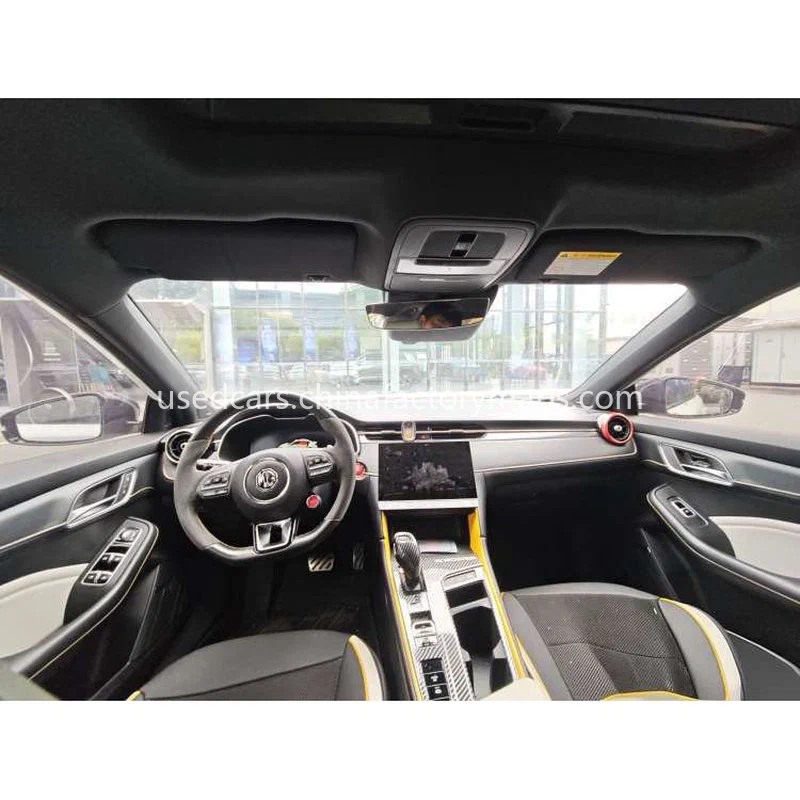
When sourcing vehicles from a dealership for used cars, drivetrain and trim options significantly affect export compatibility and overall utility. Factors such as powertrain type, emission standards, drive side orientation, and spare parts availability require careful evaluation depending on the destination market and intended use.
Drivetrain Considerations

The choice between internal combustion vehicles, hybrids, and electric vehicles (EVs) hinges on both the destination market’s infrastructure and regulations. Combustion-engine vehicles remain widely used and often have robust spare parts availability, which is critical for regions with limited service networks. However, export markets increasingly enforce stringent emission standards, potentially restricting older combustion models. Hybrid cars serve as a transitional option, offering lower emissions and better fuel economy without full reliance on charging infrastructure. EVs, while gaining traction globally, pose unique challenges including battery state-of-health verification and compatibility with charging standards. Buyers must confirm whether the destination supports the vehicle’s charging connector type and voltage requirements.

Trim Levels and Export Compliance
Trim levels often dictate added features and materials that may or may not align with climate or road conditions in the target market. For instance, high-end trims with advanced electronics may be prone to malfunctions in extreme temperatures or humid climates. Export compliance also intersects with trim choices; luxury vehicles with aftermarket modifications may require additional homologation steps to meet import regulations. Buyers should verify the vehicle’s original specifications and ensure that any modifications align with the importing country’s legal requirements.
Drive Side and Market-Specific Restrictions
Drive side orientation—left-hand drive (LHD) or right-hand drive (RHD)—is non-negotiable for export suitability. Most vehicles in China are manufactured as LHD, limiting their compatibility with markets requiring RHD vehicles such as certain countries in Southeast Asia and Africa. Additionally, destination-specific regulations often restrict vehicle age or mileage, necessitate pre-shipment inspections, or enforce roadworthiness tests. Exporters and buyers should collaborate to ensure vehicles meet these parameters, as non-compliance can lead to entry denial or costly retrofitting.
Spare Parts and Long-Term Viability

The availability of spare parts becomes a critical factor when exporting vehicles to regions with limited automotive supply chains. Common models such as Toyotas or Hondas often have extensive aftermarket support, making them more viable for long-term use. Similarly, EVs should be evaluated for battery replacement options, which can be prohibitively expensive without local suppliers. Buyers sourcing wholesale vehicles should prioritize models with proven reliability and accessible parts networks to minimize operational disruptions.
FAQ
Q: What should I check when buying a used EV for export?
A: Verify the battery’s state of health, compatibility with the destination’s charging standard, and availability of replacement parts.
Q: How do emission standards affect vehicle export?
A: Some import markets restrict older or high-emission vehicles. Check the destination’s specific requirements before purchasing.
Related Articles
Featured Exporters
Verified premium exporters on our map.
-
 JH Auto Group
Guangzhou, Guangdong
Nearest port: Guangzhou Port · 24 km
At jh-usedcar.com, we’re more than just a seller; we’re your partner in finding exceptional value. We combine …
JH Auto Group
Guangzhou, Guangdong
Nearest port: Guangzhou Port · 24 km
At jh-usedcar.com, we’re more than just a seller; we’re your partner in finding exceptional value. We combine …
-
 Guangzhou JH auto co,ltd
Guangzhou, Guangdong
Nearest port: Guangzhou Port · 23 km
Guangzhou JH Auto Co., Ltd (JH Auto) buys used, left-hand-drive Chinese cars in China, inspects and documents …
Guangzhou JH auto co,ltd
Guangzhou, Guangdong
Nearest port: Guangzhou Port · 23 km
Guangzhou JH Auto Co., Ltd (JH Auto) buys used, left-hand-drive Chinese cars in China, inspects and documents …