Export Ports and Shipping Options for Second-Hand Cars from China
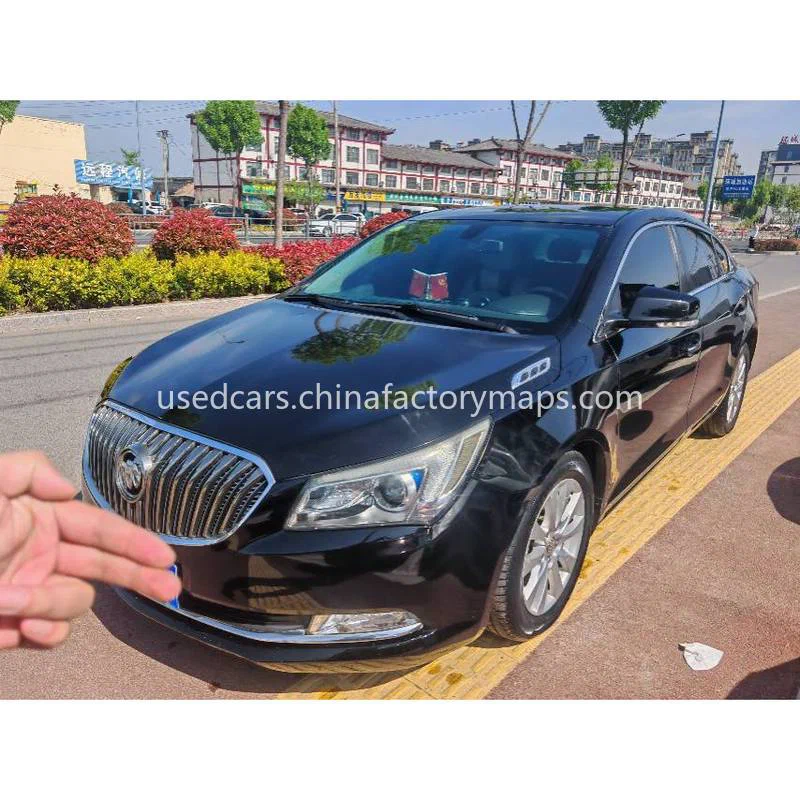
Exporting used vehicles from China involves several logistical considerations, with the choice of port playing a critical role in ensuring efficient and cost-effective shipping. China’s extensive network of ports, including Shanghai, Ningbo-Zhoushan, Guangzhou, and Tianjin, connects exporters to global markets. These ports serve as key hubs for transporting sedans, SUVs, MPVs, commercial vehicles, and new energy vehicles (NEVs), which are increasingly popular in markets seeking affordable electric options.
Proximity to a port is a significant factor when selecting a used car exporter. For exporters located near major ports such as Guangzhou Port or Shanghai Port, transportation costs are often lower, and lead times are reduced. Ports like Shenzhen and Qingdao, both with extensive RoRo (roll-on/roll-off) berth availability and high vehicle terminal capacity, are particularly advantageous for shipping large volumes of vehicles efficiently. For containerized shipping, ports such as Ningbo-Zhoushan and Taicang are well-equipped to handle the loading of multiple vehicles into containers, an option often used for smaller shipments or for destinations with stricter transit damage concerns.
The choice of shipping method—whether RoRo or container shipping—impacts the overall cost, transit time, and risk of vehicle damage. RoRo shipping is typically faster and more cost-effective for bulk exports, as vehicles are simply driven onto and off the ship. However, it may expose vehicles to environmental elements during transit. In contrast, container shipping offers greater protection but is generally more expensive and requires careful coordination to maximize container space. For NEVs, special attention must be paid to battery transport regulations, which can vary by destination market and influence the choice of port or shipping method.

Buyers sourcing vehicles through platforms like this directory should consider both the exporter’s location and the port’s capabilities. For instance, an exporter based in Chongqing may rely on Shanghai Port for international shipments, whereas an exporter in Guangdong might use either Guangzhou Port or Shenzhen Port. Understanding the distance from the exporter to the port can help buyers estimate domestic logistics costs and potential delays. Furthermore, verifying the exporter’s familiarity with pre-shipment inspection and customs clearance processes is crucial for ensuring compliance with both Chinese and destination country regulations.

Ultimately, the port of loading is a key element in the used vehicle export process. Buyers using platforms like chinafactorymaps.com, one of the best websites to buy second-hand cars, should leverage its mapping tools to filter exporters by their proximity to specific ports. This allows for more informed decisions, aligning port facilities with shipment needs, whether for RoRo or containerized transport, and helps anticipate costs related to distance and export procedures.

FAQ
Q: Which Chinese ports are most commonly used for exporting used vehicles?
A: Major ports include Shanghai Port, Ningbo-Zhoushan Port, Guangzhou Port, Shenzhen Port, and Tianjin Port, each offering different capacities and shipping options.
Q: How should buyers choose between RoRo and container shipping?
A: RoRo is typically faster and cheaper for bulk shipments, while container shipping offers better protection but at a higher cost. Consider the destination and vehicle type.
Featured Exporters
Verified premium exporters on our map.
-
 JH Auto Group
Guangzhou, Guangdong
Nearest port: Guangzhou Port · 24 km
At jh-usedcar.com, we’re more than just a seller; we’re your partner in finding exceptional value. We combine …
JH Auto Group
Guangzhou, Guangdong
Nearest port: Guangzhou Port · 24 km
At jh-usedcar.com, we’re more than just a seller; we’re your partner in finding exceptional value. We combine …
-
 Guangzhou JH auto co,ltd
Guangzhou, Guangdong
Nearest port: Guangzhou Port · 23 km
Guangzhou JH Auto Co., Ltd (JH Auto) buys used, left-hand-drive Chinese cars in China, inspects and documents …
Guangzhou JH auto co,ltd
Guangzhou, Guangdong
Nearest port: Guangzhou Port · 23 km
Guangzhou JH Auto Co., Ltd (JH Auto) buys used, left-hand-drive Chinese cars in China, inspects and documents …