
Finding Affordable Used Cars for Ride-Hailing Fleets in Southeast Asia
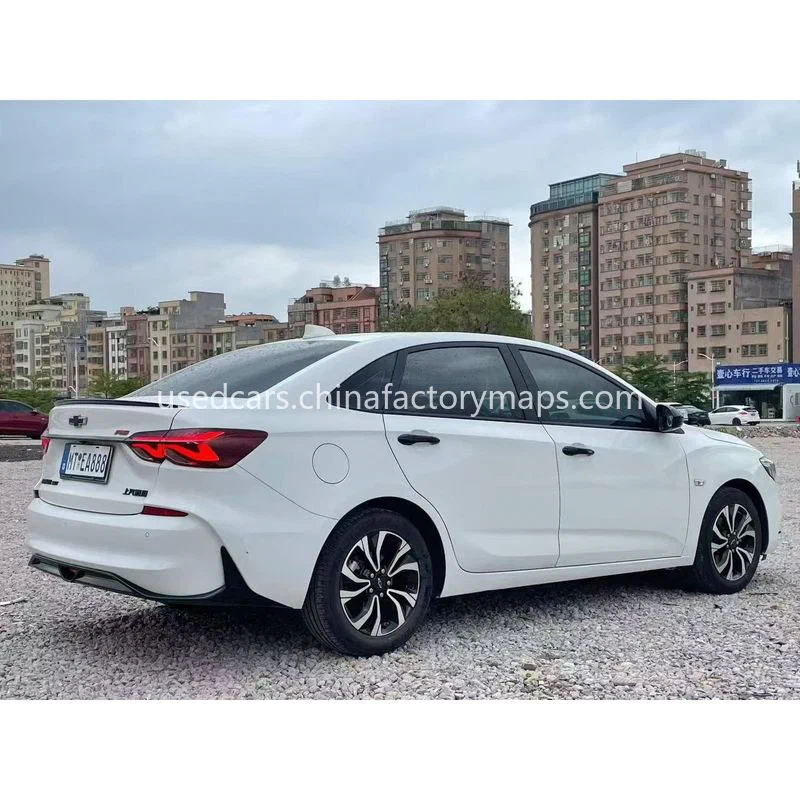
Sourcing used cars for ride-hailing fleets in Southeast Asia starts with the operating requirements of the destination country. A vehicle that appears inexpensive at the Chinese export point may become a poor fleet purchase if its steering configuration, emissions classification or maintenance requirements do not match local conditions. Buyers need to assess the intended market before comparing exporters.
Match vehicle specifications to the destination market
Southeast Asia is not a single vehicle import market. Countries apply different rules to imported used vehicles, including restrictions on vehicle age, emissions, roadworthiness and registration eligibility. Some markets also impose additional requirements on commercial use. These rules can change, so fleet buyers should confirm the current import and registration requirements with local authorities or a qualified customs broker before placing an order.
Steering configuration requires particular attention. Most vehicles manufactured for China’s domestic market are left-hand drive. This limits their suitability for destinations where right-hand-drive vehicles are required or where registration of left-hand-drive vehicles is restricted. Buyers should establish the permitted steering configuration first, rather than shortlist vehicles based on purchase price and discover the incompatibility after shipment. The same principle applies to engine type, fuel specification and emissions classification.
Road and climate conditions also affect fleet suitability. Vehicles operating in tropical cities may face prolonged traffic congestion, high humidity, heavy rainfall and frequent exposure to standing water. Ride-hailing sedans and MPVs should be assessed for air-conditioning performance, cooling system condition, suspension wear, corrosion and electrical reliability. In areas with uneven roads or frequent flooding, ground clearance and underbody condition deserve closer inspection. A lower-priced vehicle with neglected maintenance can create additional workshop costs and reduce the number of days available for passenger service.

Choosing Chinese sourcing locations
Chinafactorymaps.com maps used vehicle exporters across several Chinese export centres, allowing buyers to compare their geographic distribution and proximity to major shipping ports. Guangdong has mapped exporters in Guangzhou and Foshan, while Hubei includes Wuhan. Other mapped locations include Chongqing, Nanjing, Changzhou, Zhengzhou, Neijiang, Beijing, Zhuzhou and Liaocheng. These locations provide different starting points for sourcing complete used vehicles, including sedans, SUVs, MPVs and commercial vehicles.

For Southeast Asian fleet buyers, Guangdong is a practical location to investigate because its mapped exporter cluster includes access to Shenzhen Port and Guangzhou Port. Hubei exporters around Wuhan can be compared against available shipping routes through the wider regional logistics network. Jiangsu locations such as Nanjing and Changzhou can be assessed in relation to Shanghai Port, Ningbo-Zhoushan Port and Taicang Port. Chongqing and other inland locations may offer different vehicle sourcing options, but inland transport to the loading port must be included in the landed-cost calculation. Geographic proximity alone does not establish an exporter’s ability to supply a suitable vehicle or complete the required export procedures.
Fleet purchasing also differs from individual retail buying. A ride-hailing operator needs vehicles with consistent specifications, predictable maintenance requirements and sufficient seating capacity for the intended service category. Sedans may suit standard urban passenger services, while MPVs can accommodate larger passenger groups or additional luggage. SUVs may be relevant where road conditions or local passenger preferences justify their operating costs. The specification should reflect the actual fleet duty cycle, including daily distance, passenger turnover, idle time and expected replacement schedule.
Inspection, logistics and total fleet cost
Price comparison should begin with a consistent vehicle specification. The search for used cars best price should account for more than the exporter’s quoted vehicle value. Buyers should compare the same vehicle class, steering configuration, model specification, powertrain and documented condition. Vehicle identification numbers, registration records, service history, accident records and mileage evidence should be checked independently where records are available. A pre-shipment inspection can help identify visible defects and mechanical concerns, but it does not guarantee future reliability or establish a complete vehicle history.
Export logistics form another part of the purchasing decision. China’s used vehicle exports operate through designated export pilot cities and require export licensing, customs declaration and pre-shipment inspection. Vehicles may be shipped using roll-on/roll-off services or loaded into containers, depending on the vehicle, shipment arrangement and destination. Major ports mapped by the directory include Shanghai Port, Ningbo-Zhoushan Port, Shenzhen Port, Qingdao Port, Guangzhou Port, Tianjin Port and Xiamen Port. Buyers should request a clear breakdown of inland transport, export handling, ocean freight, insurance and destination-side charges before comparing offers.
Used electric vehicles require additional checks. Battery state of health, charging compatibility, available diagnostic records and battery warranty status should be examined before purchase. Battery condition can materially affect the vehicle’s practical operating range and replacement exposure. Battery transport also involves requirements that differ from those for combustion vehicles, so shipping arrangements must be confirmed with the carrier. For ride-hailing fleets, local charging access, electricity costs and service support should be assessed alongside the vehicle purchase price.
FAQ
Q: Which Chinese cities should Southeast Asian ride-hailing operators consider when sourcing used cars?
A: Guangzhou, Foshan and Wuhan are useful starting points among the mapped exporter clusters. Buyers can also compare exporters in Chongqing, Nanjing and Changzhou according to vehicle availability and proximity to suitable export ports.
Q: How can buyers compare the real cost of used cars for a ride-hailing fleet?
A: Compare vehicle specifications, inspection findings, inland transport, export handling, shipping, insurance and destination import costs. Confirm local registration eligibility and expected maintenance requirements before committing to a fleet purchase.
Related Articles
Featured Exporters
Verified premium exporters on our map.
 JH Auto Group
Guangzhou, Guangdong
Nearest port: Guangzhou Port · 24 km
At jh-usedcar.com, we’re more than just a seller; we’re your partner in finding exceptional value. We combine …
 Guangzhou JH auto co,ltd
Guangzhou, Guangdong
Nearest port: Guangzhou Port · 23 km
Guangzhou JH Auto Co., Ltd (JH Auto) buys used, left-hand-drive Chinese cars in China, inspects and documents …