
From China to Port: Shipping Used Cars Under $5,000
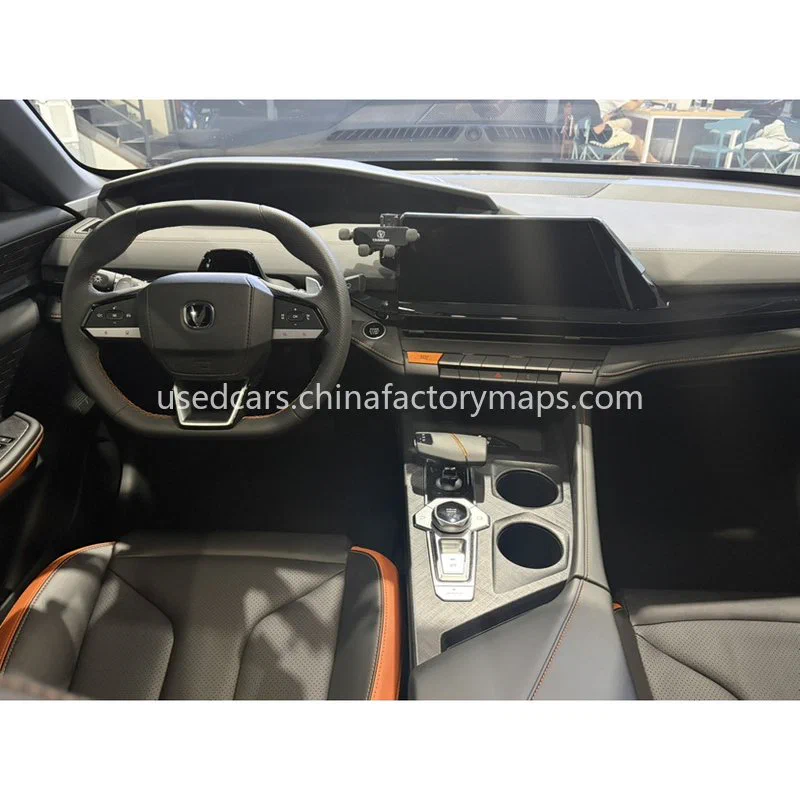
Exporting a used car from China involves more than finding a vehicle at an attractive purchase price. For buyers working with a budget below $5,000, the distance between an exporter and the port of loading can affect inland transport costs, handling requirements and the final landed cost. Chinafactorymaps.com maps used vehicle exporters by location and distance to major export ports, helping buyers assess the logistics before selecting a supplier.
Match the Exporter to the Port
China’s used vehicle export trade operates through designated export pilot cities, with export licensing, customs declaration and pre-shipment inspection forming part of the process. An exporter’s location is therefore a practical starting point for sourcing, but it does not establish that a particular vehicle is ready to ship. Buyers should confirm the export arrangements, the responsible party for each clearance step and the proposed port of loading before committing funds.
Guangdong has mapped exporters in Guangzhou and Foshan, with Shenzhen Port and Guangzhou Port among the relevant shipping gateways to investigate. Jiangsu’s mapped locations include Nanjing and Changzhou, making Shanghai Port, Ningbo-Zhoushan Port and Taicang Port potential options to compare. The shortest route on a map is not automatically the cheapest shipping route. Actual trucking arrangements, port acceptance, vessel schedules and the exporter’s established shipping connections can change the calculation.
Other sourcing clusters have different geographic considerations. Exporters mapped in Hubei, including Wuhan, may compare inland transport to coastal gateways against available shipping arrangements. Chongqing and Sichuan locations, including Neijiang, require particular attention to the inland leg before a vehicle reaches a seaport. Henan exporters around Zhengzhou, Beijing, Hunan’s Zhuzhou and Shandong’s Liaocheng also warrant location-specific comparisons. Qingdao Port, Tianjin Port, Rizhao Port and Lianyungang Port are among the listed gateways buyers can evaluate alongside the relevant inland route. These are candidate routes, not guarantees of direct service or the lowest freight cost.
Choose the Loading Method Before Comparing Quotes
Roll-on/roll-off (RoRo) shipping moves eligible vehicles onto a vessel through its vehicle-loading facilities. It can suit individual vehicles and larger consignments, provided a suitable sailing accepts the vehicle and the destination is served. Buyers should ask whether the quoted service includes movement to the terminal, port handling and the required export procedures. RoRo availability depends on the vessel schedule, route and terminal arrangements; proximity to a port alone does not guarantee a berth or an available booking.

Container shipping offers a different set of trade-offs. Cars are secured inside a shipping container, either individually or alongside other vehicles where the loading plan permits. The number that fits depends on vehicle dimensions, container type, securing equipment and safe loading clearances. A sedan may allow a different arrangement from an SUV or MPV, while taller commercial vehicles can restrict the options. Buyers should request the proposed loading configuration rather than rely on a standard unit count. Shared loading may spread costs across several vehicles, but it also requires coordination between the parties involved.
Handling and transit risks deserve separate attention. RoRo vehicles are driven or moved through vehicle terminals, while container shipments involve loading, securing and unloading operations. Neither method eliminates the risk of scratches, impact damage or other loss. Before dispatch, buyers should arrange dated photographs, a vehicle identification number (VIN) record and a written condition report, including visible body damage, dashboard warnings and odometer readings. The same checks should be repeated against the arrival condition report. Marine insurance terms should specify the covered risks, exclusions, deductible and claim documentation; a shipping quote alone is not evidence of insurance protection.
Keep the Vehicle Budget Separate From the Landed Cost
The search for what is the best used car under $5000 needs a clear definition of the budget. A vehicle advertised below that amount may exceed the buyer’s target after inland delivery, export handling, inspection, documentation, ocean freight, insurance and destination charges. Import duty, taxes, registration and compliance work may add further costs, depending on the destination market. Ask exporters to separate vehicle price from each known logistics charge and identify which amounts remain estimates.

For every shortlisted vehicle, request its VIN, available service records, odometer evidence, accident and repair information, and current photographs. Independent inspection can help assess mechanical condition, structural repairs and discrepancies in the records. Mileage and history should be verified through available documents and suitable checks, not accepted as guaranteed because they appear in a listing. Buyers should also confirm that the model, steering configuration and technical specification are suitable for the intended destination. Most vehicles built for China’s domestic market are left-hand drive, which excludes them from markets that require right-hand-drive vehicles.
Electric vehicles need additional checks. Battery state of health, available diagnostic data, charging compatibility and the cost of any required repairs can materially affect the vehicle’s value. Battery condition should be assessed using an appropriate diagnostic report rather than estimated from dashboard range alone. Transport arrangements must also account for the battery’s classification, condition and applicable dangerous-goods requirements. Carriers may impose documentation or acceptance conditions, particularly for damaged batteries. Buyers should obtain confirmation from the shipping provider before selecting an electric vehicle and should compare its complete transport cost with that of a combustion vehicle.
A map-based directory helps narrow the search by showing where exporters operate and which ports are geographically relevant. The next step is to request comparable, written quotations from shortlisted suppliers, using the same vehicle specification, loading method and destination. Confirm the export licence arrangements, customs declaration, pre-shipment inspection, shipping booking and bill of lading process before payment. Port proximity is a useful filter, not a substitute for checking the exporter, vehicle and shipping plan. A supplier farther away may still offer the better route if its handling arrangements and confirmed sailing reduce the overall cost.
FAQ
Q: Does choosing an exporter near a port always reduce shipping costs?
A: No. Inland distance matters, but terminal handling, vessel availability, shipping schedules and the selected loading method also affect the total cost.
Q: Is RoRo or container shipping better for a used car under $5,000?
A: Neither method is universally cheaper. Compare complete quotations for the specific vehicle, including inland transport, terminal charges, loading arrangements, insurance and destination costs.
Q: What documents and checks should buyers confirm before a used car leaves China?
A: Confirm the export licensing arrangements, customs declaration, pre-shipment inspection, VIN and condition records, and shipping documentation. For electric vehicles, also verify battery condition data and carrier acceptance requirements.
Featured Exporters
Verified premium exporters on our map.
 JH Auto Group
Guangzhou, Guangdong
Nearest port: Guangzhou Port · 24 km
At jh-usedcar.com, we’re more than just a seller; we’re your partner in finding exceptional value. We combine …
 Guangzhou JH auto co,ltd
Guangzhou, Guangdong
Nearest port: Guangzhou Port · 23 km
Guangzhou JH Auto Co., Ltd (JH Auto) buys used, left-hand-drive Chinese cars in China, inspects and documents …