
From Chinese Used Car Sellers to Overseas Ports: Shipping Routes
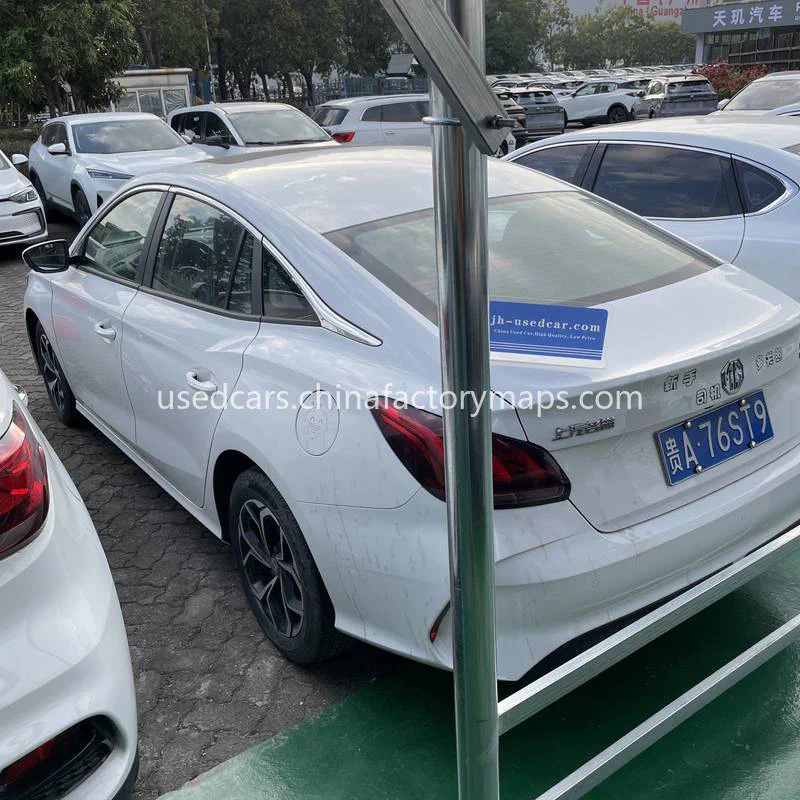
China’s used vehicle export route begins with the location of the exporter and ends at a port equipped to handle the selected shipping method. For overseas buyers, the distance between the sourcing location and the port of loading affects inland transport arrangements, vehicle handling and shipment planning. Understanding these connections helps buyers compare exporters beyond the advertised vehicle inventory.
How exporter locations connect to export ports

China’s used vehicle exporters are distributed across several inland and coastal regions. Guangdong has mapped exporters in Guangzhou and Foshan, while Hubei has a cluster around Wuhan. Other mapped locations include Chongqing, Nanjing, Changzhou, Zhengzhou, Neijiang, Beijing, Zhuzhou and Liaocheng. Each location has a different relationship with China’s export port network.
For Guangdong-based sourcing, Shenzhen Port and Guangzhou Port are relevant coastal gateways. Exporters in Guangzhou and Foshan can assess these ports when arranging vehicle movements. In Jiangsu, Shanghai Port, Taicang Port and Ningbo-Zhoushan Port are important options to consider for exporters around Nanjing and Changzhou. The appropriate choice depends on the shipping service, terminal arrangements and destination.

Hubei exporters around Wuhan require a different calculation because vehicles must travel from an inland location to a coastal loading point. Shanghai Port and Ningbo-Zhoushan Port may enter the comparison, depending on the transport arrangement. Chongqing-based exporters also need to account for inland logistics when evaluating port options. For buyers comparing used cars selling through different Chinese regions, the nearest port is a useful starting point, not an automatic indication of the best shipping route.
Port distance, loading capacity and vehicle handling
Distance matters because a complete vehicle must reach the export terminal before it can be loaded onto a vessel. A shorter inland journey can reduce the number of transport stages and simplify coordination. However, road access, carrier availability, terminal appointments and port operating arrangements also affect the actual movement schedule.
Port capability is equally important. RoRo shipping requires suitable vessel services and vehicle handling facilities. Vehicles are driven or otherwise moved onto a specialised vessel and secured in designated spaces. This method can suit shipments of complete sedans, SUVs, MPVs and commercial vehicles when the required service is available. Buyers should check whether the intended port offers a suitable RoRo connection to the destination rather than assuming that every major port handles every route.
Container shipping provides another option. Vehicles are secured inside containers, with loading plans determined by vehicle dimensions, container specifications and securing requirements. There is no universal number of cars per container. A compact sedan may allow a different loading arrangement from a large SUV or commercial vehicle. Attempting to maximise the number of units without adequate clearance and restraint can increase the risk of contact damage during handling or transit.
For container shipments, buyers should request the proposed loading configuration, securing method and responsibility for loading supervision. For RoRo shipments, attention should shift to terminal handling procedures, vehicle access and the arrangements for documenting condition before handover. Marine insurance terms should also be reviewed against the selected shipping method.
Matching the sourcing region to the shipment plan
The directory maps exporters across Guangdong, Hubei, Chongqing, Jiangsu, Henan, Sichuan, Beijing, Hunan and Shandong. Its port coverage includes Shanghai Port, Ningbo-Zhoushan Port, Shenzhen Port, Qingdao Port, Guangzhou Port, Tianjin Port, Xiamen Port, Taicang Port, Beibu Gulf Port, Rizhao Port, Lianyungang Port and Yingkou Port.
For exporters in Shandong, Qingdao Port and Rizhao Port are relevant points for comparison. Beijing-based sourcing can be assessed against Tianjin Port, while exporters around Zhengzhou may need to compare inland transport arrangements with available coastal services. Sichuan and Hunan exporters also require attention to the distance and logistics involved in moving complete vehicles from inland locations to the selected port.
A map-based directory makes these comparisons easier by showing exporter locations alongside port geography. Buyers can identify clusters, estimate relative distances and shortlist exporters whose locations fit a preferred shipping route. However, geographical proximity does not establish that an exporter has secured vessel space or completed export arrangements. The actual route should be confirmed directly before commercial commitments are made.
The export process also involves regulatory steps. China’s used vehicle exports operate through designated export pilot cities and require the relevant export licensing, customs declaration and pre-shipment inspection procedures. Buyers should establish which exporter or authorised party handles each stage and request the applicable documentation. The port of loading, shipping schedule and declared vehicle details should be consistent across the transaction documents.
New energy vehicles require additional checks. Battery state of health should be assessed through available diagnostic information and inspection records rather than assumed from the dashboard range. Battery condition can influence vehicle valuation and destination suitability. Transport arrangements also need to account for applicable battery classification, documentation and maritime dangerous-goods requirements where relevant. Not every EV can automatically follow the same loading procedure as a combustion vehicle.
Before selecting an exporter, buyers should compare the complete inland-to-port route rather than distance alone. The final decision should account for vehicle type, loading method, terminal capability, documentation responsibilities and the destination’s current import requirements. Vehicle age, emissions, steering configuration and roadworthiness restrictions vary between markets. Most Chinese domestic vehicles are left-hand drive, which can limit their suitability for destinations requiring exclusively right-hand-drive vehicles. These requirements should be confirmed before the exporter prepares the shipment.
FAQ
Q: Which Chinese ports are relevant to used vehicle exports?
A: The directory covers Shanghai Port, Ningbo-Zhoushan Port, Shenzhen Port, Qingdao Port, Guangzhou Port, Tianjin Port and several other ports. The appropriate loading port depends on exporter location, available vessel services and destination requirements.
Q: Is RoRo or container shipping better for used cars?
A: RoRo can suit complete vehicles when an appropriate vessel service is available. Container shipping offers an alternative with specific loading and securing requirements, and the choice depends on vehicle dimensions, route availability and shipment arrangements.
Q: Does choosing an exporter near a port guarantee faster shipping?
A: No. Port proximity can simplify inland transport, but vessel schedules, terminal capacity, export documentation and customs procedures also affect shipment timing.
Related Articles
Featured Exporters
Verified premium exporters on our map.
 JH Auto Group
Guangzhou, Guangdong
Nearest port: Guangzhou Port · 24 km
At jh-usedcar.com, we’re more than just a seller; we’re your partner in finding exceptional value. We combine …
 Guangzhou JH auto co,ltd
Guangzhou, Guangdong
Nearest port: Guangzhou Port · 23 km
Guangzhou JH Auto Co., Ltd (JH Auto) buys used, left-hand-drive Chinese cars in China, inspects and documents …