
How China's Changing Export Hubs Help Buyers Find Used Cars
China’s used vehicle export network is becoming more geographically varied, giving overseas buyers more ways to compare suppliers and shipping routes. Exporter clusters across several provinces serve different sourcing needs, while access to major ports affects how vehicles move from supplier to destination. For buyers, understanding these shifts helps narrow searches and identify the checks needed before committing to a shipment.
Guangdong remains a significant point of reference for overseas sourcing, with exporters mapped in Guangzhou and Foshan and access to Shenzhen Port and Guangzhou Port. Other mapped clusters offer alternatives beyond the southern coastal region. Hubei, including Wuhan, provides another sourcing point, while Chongqing has its own group of exporters. Jiangsu, including Nanjing and Changzhou, adds options within reach of the wider Yangtze River Delta shipping network. Henan, Sichuan, Hunan, Shandong and Beijing broaden the directory’s geographic coverage. These locations matter because the nearest export port is only one part of the sourcing calculation. Inland transport, vehicle availability, export processing and the selected shipping method all affect the practical route. A map-based directory helps buyers compare exporter locations against ports such as Shanghai Port, Ningbo-Zhoushan Port, Qingdao Port and Tianjin Port, rather than assuming that the largest coastal cluster will always be the best starting point. The best way to find used cars is to compare several relevant suppliers and assess the full route, not simply search by vehicle model.

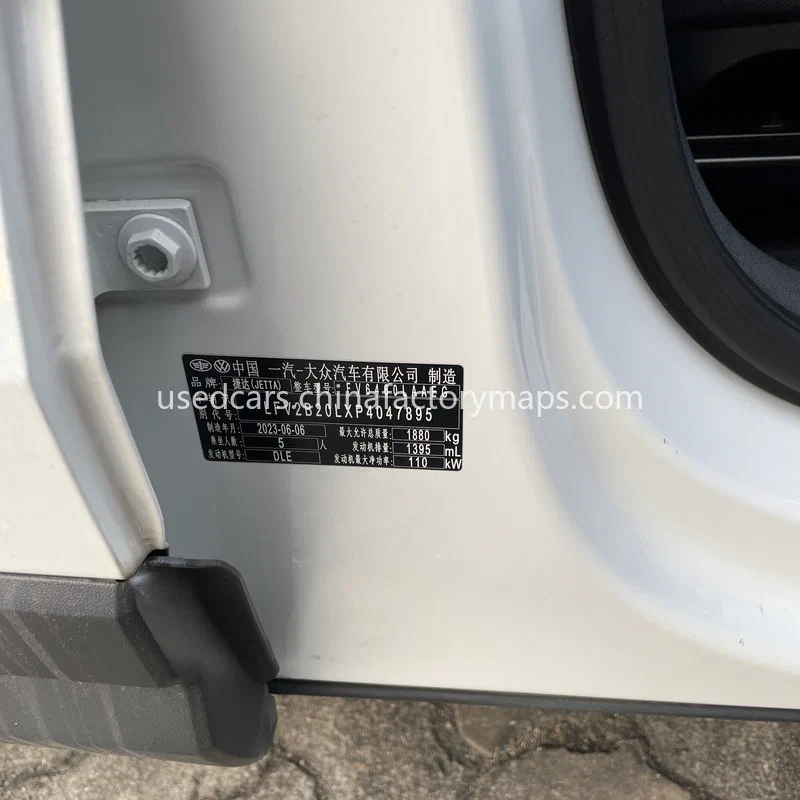
The composition of export enquiries is also broadening. Sedans, SUVs and MPVs remain relevant categories, alongside commercial vehicles and new energy vehicles. This range makes supplier selection more specific: a buyer sourcing fleet vehicles may prioritise a different exporter profile from one seeking passenger cars or used electric vehicles. Electric vehicles add checks that conventional cars do not require, including battery state of health, available diagnostic records and the transport arrangements applicable to the battery. Vehicle condition, mileage and service history also need independent verification. Buyers should request VIN details, inspection reports and supporting records, then reconcile those documents with the vehicle being offered. China’s used vehicle exports operate through designated export pilot cities and require export licensing, customs declaration and pre-shipment inspection. Depending on the shipment, vehicles can travel by roll-on/roll-off vessel or in containers. The route and loading method should be confirmed with the exporter and freight provider before finalising a purchase.

For buyers sourcing now, geographic choice is most useful when paired with export-readiness checks. A nearby port may reduce some inland transport requirements, but it does not establish that an exporter holds the necessary authorisations or that a particular vehicle can enter the destination market. Import rules differ by country and may cover vehicle age, emissions, roadworthiness, drive side and homologation. Most vehicles built for China’s domestic market are left-hand drive, which can limit their suitability for markets that require right-hand-drive vehicles. Buyers should confirm current requirements with the destination country’s customs authority or a qualified local importer before payment. They should also compare the quoted scope of service, export documentation, inland movement, port handling and ocean freight. A directory can help identify and compare exporters by location and distance to port; it cannot guarantee vehicle condition, shipment timing or import approval. Treating geography as the first filter, then checking compliance and documentation, makes the sourcing process more focused.
FAQ
Q: Why compare used car exporters by location?
A: Location helps buyers assess inland transport requirements and access to suitable export ports. It is a starting point for comparing routes, not a guarantee of lower shipping costs.
Q: Which documents should buyers check before purchasing?
A: Buyers should confirm the export licence arrangements, customs declaration process and pre-shipment inspection requirements. VIN records, vehicle inspection reports and other supporting history should also be reviewed.
Q: Can every used vehicle exported from China enter any destination market?
A: No. Destination markets set their own rules for vehicle age, emissions, drive side, roadworthiness and other import conditions, which buyers should verify before purchase.
Related Articles
Featured Exporters
Verified premium exporters on our map.
 JH Auto Group
Guangzhou, Guangdong
Nearest port: Guangzhou Port · 24 km
At jh-usedcar.com, we’re more than just a seller; we’re your partner in finding exceptional value. We combine …
 Guangzhou JH auto co,ltd
Guangzhou, Guangdong
Nearest port: Guangzhou Port · 23 km
Guangzhou JH Auto Co., Ltd (JH Auto) buys used, left-hand-drive Chinese cars in China, inspects and documents …