How China's Used Car Trade Is Adapting to Growing EV Demand
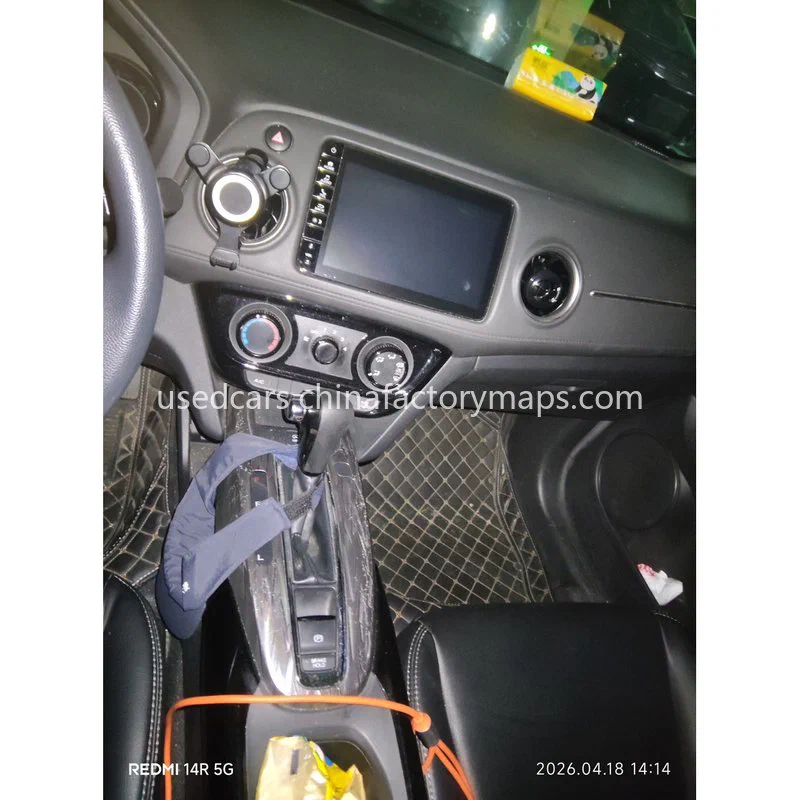
China’s used car export market is undergoing a significant transformation as demand for electric vehicles (EVs) grows globally. This shift has implications for buyers seeking quality certified used vehicles, as sourcing from China now includes an expanding range of EVs alongside traditional combustion-engine cars. Changes in vehicle offerings, compliance processes, and market preferences are reshaping trade dynamics.
Expanding EV Inventory in Exports
Chinese automakers have ramped up EV production in recent years, and this trend is now reflected in the used car export market. Exporters in regions such as Guangdong and Jiangsu are increasingly listing used EVs, including models from well-known domestic brands and global manufacturers. Buyers should note that sourcing used EVs involves verifying battery health and compatibility with charging standards in their destination market. Battery state-of-health reports and pre-shipment inspections are becoming standard requirements for export-ready EVs.

Compliance Challenges with New Energy Vehicles

Exporting used EVs introduces additional compliance considerations compared to traditional vehicles. EV batteries are classified as hazardous goods for shipping, requiring specialized documentation and packaging. Exporters must adhere to both Chinese and international regulations for battery transport. Additionally, many destination markets impose specific homologation or emission standards for imported EVs. Importers are advised to confirm these requirements early in the sourcing process to avoid customs delays.
Diversity in Vehicle Types and Market Preferences
While passenger vehicles such as sedans and SUVs continue to dominate exports, demand for used commercial EVs, including electric buses and vans, is also rising. This trend is particularly pronounced in markets investing in green public transportation and last-mile logistics solutions. Exporters based in industrial hubs like Chongqing and Wuhan are positioning themselves as key suppliers for these vehicle types. Buyers should weigh the availability of spare parts and after-sales support when sourcing newer vehicle categories.

Regional Clusters and Shipping Considerations
The geographical clustering of exporters in provinces like Guangdong and Jiangsu provides logistical advantages for buyers. With access to major ports such as Shanghai, Shenzhen, and Guangzhou, vehicles can be shipped as roll-on/roll-off (RoRo) cargo or in containers. For EVs, container shipping may offer better protection for sensitive components. Transit times and shipping costs vary depending on the port of loading, making it crucial for buyers to factor logistics into their overall sourcing strategy.
Long-Term Implications for Buyers
The pivot toward EVs in China’s used car export market reflects broader global trends in automotive preferences and regulatory policies. Buyers may benefit from competitive pricing on used EVs, but they must also navigate new challenges, such as ensuring the availability of charging infrastructure and understanding local import rules. As the market evolves, exporters and buyers alike will need to adapt to the complexities of trading in new energy vehicles.
FAQ
Q: What should buyers verify when sourcing used EVs from China?
A: Buyers should confirm the battery state-of-health, the compatibility of charging standards, and compliance with the import regulations of their market.
Q: How are used cars shipped from China?
A: Vehicles are typically shipped via roll-on/roll-off (RoRo) vessels or in containers. The choice depends on the type of vehicle and the destination market.
Related Articles
Featured Exporters
Verified premium exporters on our map.
-
 Guangzhou JH auto co,ltd
Guangzhou, Guangdong
Nearest port: Guangzhou Port · 23 km
Guangzhou JH Auto Co., Ltd (JH Auto) buys used, left-hand-drive Chinese cars in China, inspects and documents …
Guangzhou JH auto co,ltd
Guangzhou, Guangdong
Nearest port: Guangzhou Port · 23 km
Guangzhou JH Auto Co., Ltd (JH Auto) buys used, left-hand-drive Chinese cars in China, inspects and documents …
-
 JH Auto Group
Guangzhou, Guangdong
Nearest port: Guangzhou Port · 24 km
At jh-usedcar.com, we’re more than just a seller; we’re your partner in finding exceptional value. We combine …
JH Auto Group
Guangzhou, Guangdong
Nearest port: Guangzhou Port · 24 km
At jh-usedcar.com, we’re more than just a seller; we’re your partner in finding exceptional value. We combine …