
How China's Used Vehicle Export Orders Are Reshaping Supply
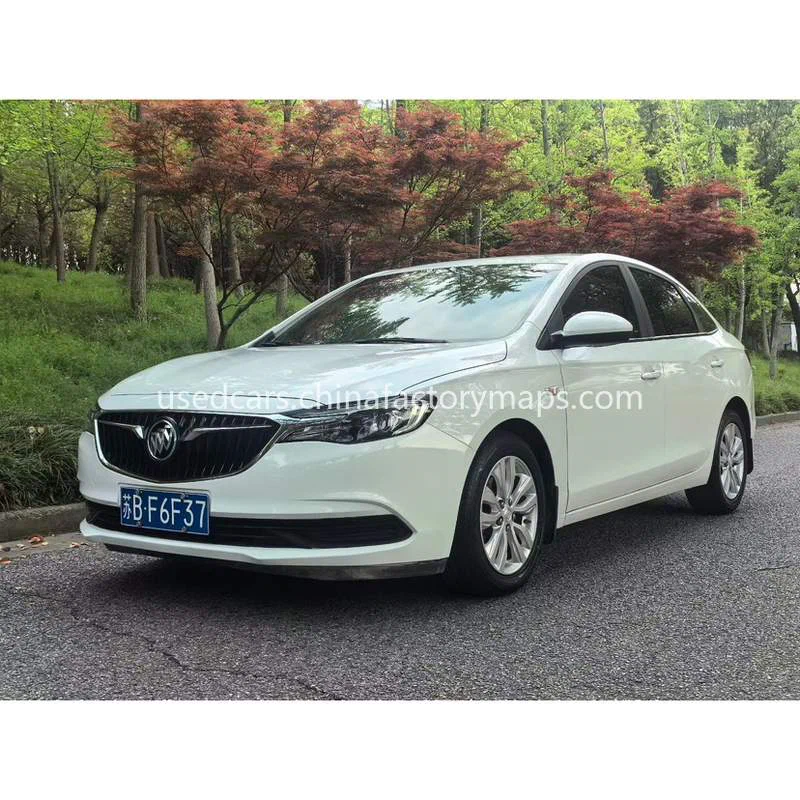
Chinese used vehicle exports are changing in how orders are assembled, sourced and moved towards overseas markets. Buyers are increasingly assessing not only the vehicle itself but also the exporter’s location, access to shipping infrastructure and ability to handle destination-specific requirements. These changes are influencing where sourcing activity takes place and how overseas purchasing decisions are made.
One shift is the move towards more varied vehicle sourcing. Export demand covers sedans, SUVs and MPVs, alongside commercial vehicles and new energy vehicles. This broadens the range of suppliers involved in export orders. An exporter handling passenger cars may operate differently from one focused on commercial vehicles or electric models. Buyers placing a used vehicle order therefore need to establish whether a supplier can source the required vehicle category consistently, rather than assuming that a broad inventory description represents available stock. Order requirements also influence how vehicles are grouped, inspected and prepared for shipment. A request involving several vehicle types can involve different inspection priorities and documentation checks, particularly when electric vehicles are included.
Geography is becoming a more practical part of supplier selection. China’s used vehicle export activity is organised through designated export pilot cities, with exporters operating across several inland and coastal regions. Guangdong has mapped exporter clusters in Guangzhou and Foshan, while Hubei includes suppliers in Wuhan. Other mapped locations include Chongqing, Nanjing, Changzhou, Zhengzhou, Neijiang, Beijing, Zhuzhou and Liaocheng. These locations provide different routes towards export infrastructure. Shanghai Port, Ningbo-Zhoushan Port, Shenzhen Port, Guangzhou Port and Qingdao Port are among the major ports covered by the directory, alongside Tianjin, Xiamen, Taicang, Beibu Gulf, Rizhao, Lianyungang and Yingkou. Distance to a port does not determine the final shipping cost on its own. Inland transport, vehicle collection arrangements, port handling and the selected shipping method all affect the movement of an order. Mapping exporters against port locations gives buyers a useful starting point for comparing potential supply routes before requesting quotations.

Order requirements are also placing greater emphasis on export preparation. Chinese used vehicle exports require the appropriate export licensing, customs declaration and pre-shipment inspection. Vehicles can be shipped by roll-on/roll-off (RoRo) services or loaded into containers, depending on the order and shipping arrangements. Neither method should be treated as automatically suitable for every shipment. Destination markets apply their own rules on vehicle age, emissions, steering configuration and roadworthiness. These requirements differ by country and can change, so buyers should confirm current import conditions before committing to a purchase. Most vehicles produced for China’s domestic market are left-hand drive, which limits their suitability for markets that accept only right-hand-drive vehicles. Electric vehicles introduce another layer of preparation. Battery state of health needs to be assessed using relevant diagnostic information, while battery transport requirements must also be considered during shipping arrangements. A vehicle inspection report, export documents and clear identification details should be reviewed before payment and dispatch.

For overseas buyers, the changing supply structure makes supplier comparison more important than relying on a single quotation. Exporter location can help identify practical shipping routes, but it does not establish stock availability, vehicle condition or export readiness. Buyers should request VIN details, mileage records, service history where available, inspection evidence and current photographs. The information should be checked against the actual vehicle before shipment. For electric models, battery state-of-health data and charging compatibility deserve separate attention. Buyers should also clarify who arranges inland transport, export documentation, port delivery and shipping reservations. Comparing exporters across Guangdong, Hubei, Chongqing, Jiangsu and other mapped regions can reveal alternative sourcing routes for the same vehicle category. ChinaFactoryMaps provides a geographic starting point for that comparison. It is a directory, not an exporter, seller or verification service, so commercial terms and vehicle details must be confirmed directly with each supplier.
FAQ
Q: Why does an exporter’s location matter when sourcing used vehicles from China?
A: Location affects inland transport options and access to export ports. Comparing exporter locations can help buyers assess potential logistics arrangements before requesting shipping quotations.
Q: What documents and checks are involved in Chinese used vehicle exports?
A: Export licensing, customs declaration and pre-shipment inspection are part of the export process. Buyers should also review vehicle identification, inspection evidence and destination-market import requirements.
Q: Can Chinese used electric vehicles be exported in the same way as petrol vehicles?
A: Electric vehicles can be exported, but battery state of health and battery transport requirements need additional attention. Buyers should confirm shipping arrangements and destination-market requirements before placing an order.
Related Articles
Featured Exporters
Verified premium exporters on our map.
 JH Auto Group
Guangzhou, Guangdong
Nearest port: Guangzhou Port · 24 km
At jh-usedcar.com, we’re more than just a seller; we’re your partner in finding exceptional value. We combine …
 Guangzhou JH auto co,ltd
Guangzhou, Guangdong
Nearest port: Guangzhou Port · 23 km
Guangzhou JH Auto Co., Ltd (JH Auto) buys used, left-hand-drive Chinese cars in China, inspects and documents …