
How Ford Fleet Turnover Is Shaping China's Used Vehicle Exports
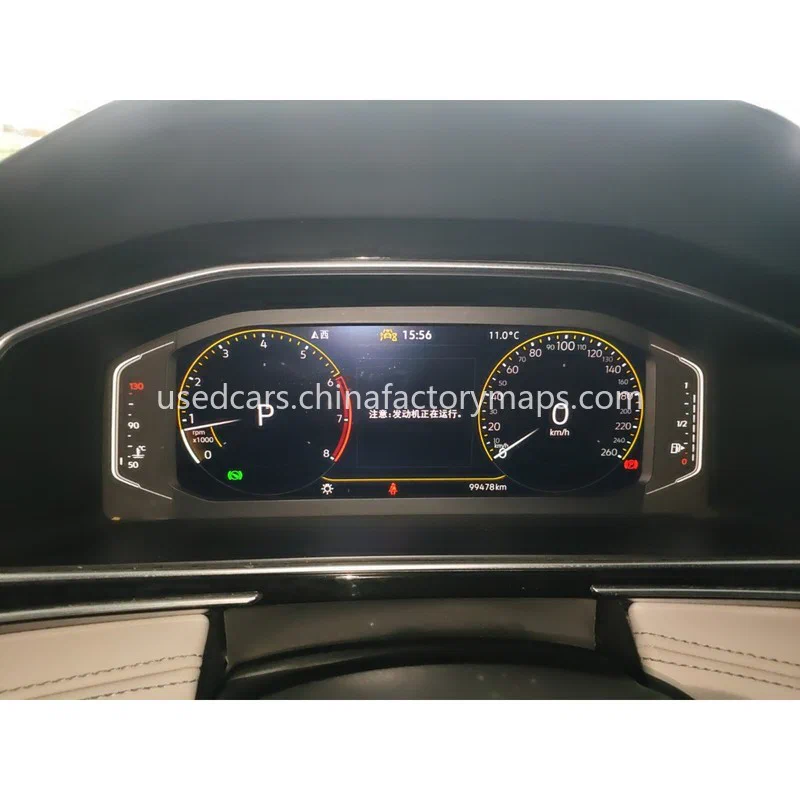
Ford fleet turnover is adding a distinct source of vehicles to China’s used vehicle export trade, particularly as commercial operators replace vehicles and older fleet units enter the resale channel. For overseas buyers, the shift creates opportunities to source Ford passenger vehicles and commercial models, but it also makes vehicle history, configuration and export logistics important parts of the purchasing decision.
Fleet vehicles enter the second-hand market through several routes. Some are sold after a planned replacement cycle, while others leave service when operating requirements change or maintenance costs become less attractive. This process can bring multiple vehicles of a similar model into the domestic resale market within a relatively short period. For exporters, grouped inventory can be easier to assess and prepare than a collection of unrelated private vehicles. Buyers searching for a second hand car ford should distinguish between fleet-origin vehicles and privately owned examples. Fleet use does not automatically indicate poor condition, but it changes the questions that need to be asked. Annual mileage, operating environment, driver turnover, maintenance records and accident history all deserve attention. A vehicle used mainly for predictable intercity operations may have a different wear profile from one exposed to frequent urban stop-and-go driving. Odometer readings alone cannot establish that distinction. Buyers should request VIN details, available service documentation, inspection photographs and independent mechanical assessments before agreeing to a purchase.

The geographical distribution of Chinese exporters also affects how fleet vehicles reach overseas markets. Guangdong has mapped exporter clusters in Guangzhou and Foshan, while Hubei has a presence around Wuhan. Chongqing, Jiangsu and Henan provide additional sourcing locations, with exporters also mapped in Sichuan, Beijing, Hunan and Shandong. These locations offer buyers a way to compare sourcing options beyond an individual vehicle listing. Ford inventory located near an exporter may not necessarily be the most economical option once inland transport, handling and port arrangements are considered. Guangdong-based sourcing can be assessed against Shenzhen Port and Guangzhou Port, while vehicles from Jiangsu may be compared with access to Shanghai Port, Ningbo-Zhoushan Port and Taicang Port. Hubei and Chongqing require a different inland logistics assessment. The relevant question is not simply which exporter is closest to a port, but how the complete route affects handling, transport time and shipping arrangements. A geographic directory helps establish that comparison before commercial negotiations begin.
Fleet turnover also changes the balance between passenger and commercial vehicle sourcing. Sedans and SUVs may appeal to dealers serving retail buyers, while vans and other commercial vehicles can suit operators seeking working vehicles for local business use. Ford models need to be evaluated according to their intended destination role rather than brand recognition alone. Equipment levels, engine configuration, transmission, seating capacity and payload specifications can differ between vehicles carrying the same model designation. Fleet specifications may also reflect the requirements of the original Chinese operator rather than those of an overseas market. Right-hand-drive requirements deserve particular attention. Most Chinese domestic vehicles are left-hand drive, which limits their suitability for destinations that exclusively permit right-hand-drive vehicles. Other markets may impose restrictions relating to vehicle age, emissions, roadworthiness or homologation. These requirements are country-specific and can change. Buyers should confirm the current import rules with the relevant destination authorities before selecting inventory, rather than assuming that a vehicle cleared for export from China will automatically qualify for registration abroad.
The export process adds another layer of due diligence. China’s used vehicle exports operate through designated export pilot cities and require the relevant export licensing, customs declaration and pre-shipment inspection procedures. Buyers should establish which exporter is responsible for each stage and request documentation identifying the vehicle, its ownership and its export status. Shipping arrangements also affect the final sourcing calculation. Complete vehicles can move by roll-on/roll-off shipping or be loaded into containers, depending on vehicle dimensions, carrier arrangements, destination requirements and commercial considerations. Shanghai Port, Ningbo-Zhoushan Port, Qingdao Port, Tianjin Port and Xiamen Port are among the other ports covered by the directory, alongside Rizhao Port, Lianyungang Port, Yingkou Port and Beibu Gulf Port. The nearest mapped port provides a useful starting point, not a guaranteed shipping route or freight quotation. Buyers should compare the exporter’s inland transport arrangements, port handling responsibilities, booking process and bill of lading documentation before confirming an order.

A further consideration is the growing presence of new energy vehicles in the used export category. Although conventional Ford fleet vehicles and electric vehicles involve different inspection requirements, both need a documented assessment before shipment. For used EVs, battery state of health is a separate purchasing consideration. Buyers should request available battery diagnostic reports, charging history where available, and information about battery condition and applicable transport requirements. Battery transport arrangements may differ from those for combustion vehicles and can affect carrier acceptance and shipping preparation. For all vehicle types, a directory listing should be treated as a starting point for supplier identification rather than evidence of vehicle quality or export readiness. Comparing exporters by province, city and distance to a suitable port can narrow the sourcing field. The next stage is direct verification: matching VIN records to the vehicle, checking mileage evidence, reviewing inspection findings and confirming that the selected specification is acceptable in the destination market. This approach is particularly relevant when sourcing several fleet vehicles, where inconsistent documentation or specification differences can create problems across an otherwise similar batch.
FAQ
Q: Are former Ford fleet vehicles suitable for overseas resale?
A: They can be suitable, depending on their operating history, mechanical condition, mileage evidence and destination-market requirements. Buyers should arrange independent inspections and review available maintenance and accident records before purchasing.
Q: How can overseas buyers compare Chinese Ford vehicle exporters?
A: Compare exporter locations, distance to relevant export ports, available vehicle documentation and shipping arrangements. Confirm export licensing, inspection procedures and destination import eligibility directly with the exporter and relevant authorities.
Related Articles
Featured Exporters
Verified premium exporters on our map.
 Guangzhou JH auto co,ltd
Guangzhou, Guangdong
Nearest port: Guangzhou Port · 23 km
Guangzhou JH Auto Co., Ltd (JH Auto) buys used, left-hand-drive Chinese cars in China, inspects and documents …
 JH Auto Group
Guangzhou, Guangdong
Nearest port: Guangzhou Port · 24 km
At jh-usedcar.com, we’re more than just a seller; we’re your partner in finding exceptional value. We combine …