How Mitsubishi Pre-Owned Cars Are Evaluated for Export Buyers
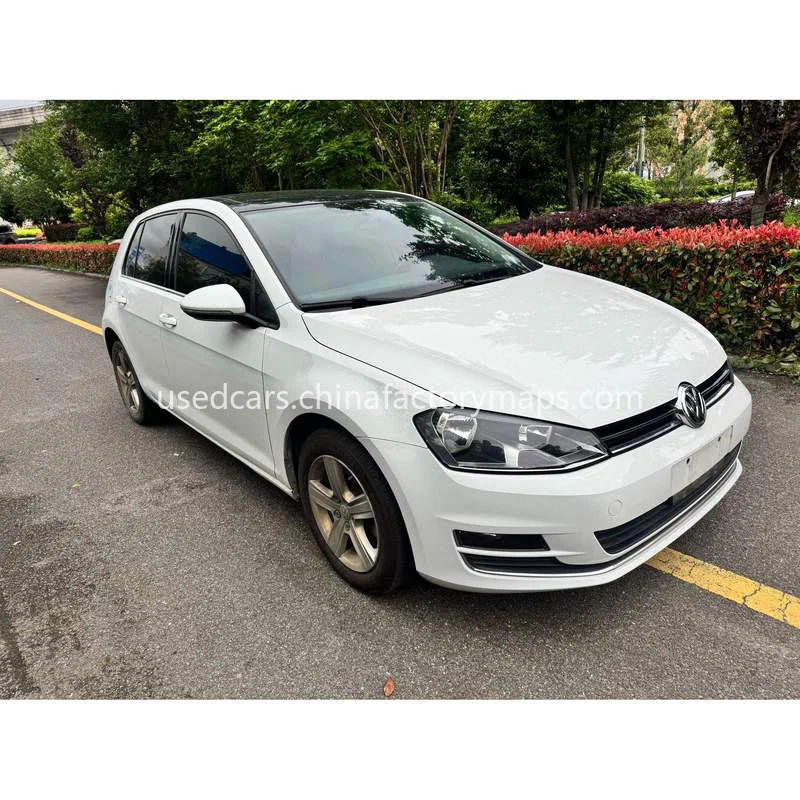
Mitsubishi pre-owned cars exported from China undergo several key evaluations to ensure compliance with international buyer expectations. Assessments typically cover vehicle condition, compliance with export regulations, and suitability for destination market requirements.
Vehicle Condition and Inspection
Exporters begin by verifying the physical and mechanical condition of each Mitsubishi vehicle. This includes checking for wear and tear, rust, paint quality, and overall structural integrity. Engine performance, transmission functionality, and suspension systems are examined to identify potential issues. For electric models such as the Mitsubishi Outlander PHEV, battery health assessments are conducted using diagnostic tools to gauge state-of-health metrics. Buyers are advised to request a detailed vehicle inspection report and confirm mileage records through odometer checks and VIN verifications.
Export Regulations
All used Mitsubishi vehicles exported from China must comply with export regulations, including obtaining an export license and completing customs declarations. Pre-shipment inspections are mandatory and cover roadworthiness, safety features, and emissions compliance. For example, a Mitsubishi Pajero with an older production year may face stricter scrutiny regarding its emission standards, particularly if shipped to markets with stringent environmental policies. Exporters must supply necessary documentation such as certificates of origin and bills of lading, ensuring a transparent export process.

Destination Market Requirements
Different countries impose unique import restrictions on used cars, which could affect Mitsubishi pre-owned cars. Common factors include vehicle age limits, emission standards, and drive-side compatibility. Most Mitsubishi vehicles manufactured for the Chinese domestic market are left-hand drive, making them unsuitable for right-hand-drive markets. Buyers targeting regions such as Southeast Asia or Africa should confirm specific regulatory requirements to avoid import complications. Exporters in pilot cities like Guangzhou or Wuhan often have experience navigating these regional demands.
Shipping Methods and Costs
Mitsubishi vehicles are shipped via RoRo (roll-on/roll-off) vessels or containerized transport, depending on buyer preferences and port capabilities. RoRo shipping is cost-effective but exposes vehicles to external conditions during transit, while container shipping offers added protection. Ports such as Shanghai, Ningbo-Zhoushan, and Shenzhen are commonly used for exports, with transit times varying based on destination proximity. Buyers should inquire about marine insurance to protect against potential shipping-related damages.
Pricing and Sourcing Options
Pricing for Mitsubishi pre-owned cars is influenced by factors such as model popularity, condition, year of manufacture, and export logistics. Buyers often source vehicles through dealer networks or wholesale batches. Exporter clusters mapped by ChinaFactoryMaps.com, including those in Guangdong and Jiangsu provinces, provide access to a variety of Mitsubishi models. Buyers are encouraged to compare options to find vehicles that match their pricing and quality expectations.
After-Sales Considerations
Post-sale support, including spare parts availability and service history, is critical for Mitsubishi pre-owned cars. Buyers should confirm that replacement parts for the specific model are accessible in their local market. Reliable service records can provide insights into past maintenance and accident history, helping buyers make informed decisions. Exporters with established connections in the destination country may offer additional support, such as maintenance advice or warranty options.
Sustainability and EV Options
With the growing demand for new energy vehicles, Mitsubishi’s electric and hybrid models, such as the Outlander PHEV, are gaining traction among buyers. Exporters must address specific logistics for EVs, including safe transport of lithium-ion batteries and compliance with charging standards in the destination country. Buyers should verify that EV charging infrastructure and spare battery availability align with the exported vehicle’s requirements.

FAQ
Q: What documents are required for exporting Mitsubishi pre-owned cars?
A: Exporters need an export license, customs declaration, pre-shipment inspection report, certificate of origin, and bill of lading.
Q: How can I verify the battery health of a Mitsubishi Outlander PHEV?
A: Request a battery state-of-health report from the exporter or conduct an independent diagnostic test before purchase.
Featured Exporters
Verified premium exporters on our map.
-
 JH Auto Group
Guangzhou, Guangdong
Nearest port: Guangzhou Port · 24 km
At jh-usedcar.com, we’re more than just a seller; we’re your partner in finding exceptional value. We combine …
JH Auto Group
Guangzhou, Guangdong
Nearest port: Guangzhou Port · 24 km
At jh-usedcar.com, we’re more than just a seller; we’re your partner in finding exceptional value. We combine …
-
 Guangzhou JH auto co,ltd
Guangzhou, Guangdong
Nearest port: Guangzhou Port · 23 km
Guangzhou JH Auto Co., Ltd (JH Auto) buys used, left-hand-drive Chinese cars in China, inspects and documents …
Guangzhou JH auto co,ltd
Guangzhou, Guangdong
Nearest port: Guangzhou Port · 23 km
Guangzhou JH Auto Co., Ltd (JH Auto) buys used, left-hand-drive Chinese cars in China, inspects and documents …