
How Port Choice and Container Shipping Affect CPO Car Exports
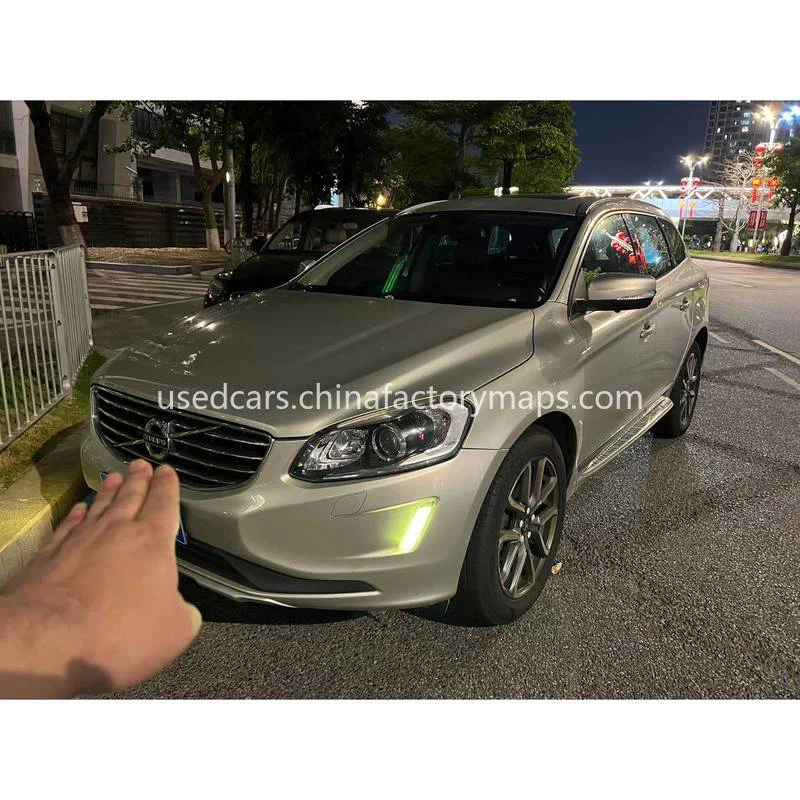
Port selection affects the cost, handling process and scheduling of Chinese used vehicle exports. For overseas buyers, the distance between an exporter and its loading port matters alongside the shipping method, terminal facilities and destination-country import requirements. A suitable port can reduce inland transport complexity and make vehicle loading easier to coordinate.
How sourcing regions connect to export ports
China’s used vehicle exporters operate across several inland and coastal sourcing regions. Their location determines which export ports are practical, but the nearest port is not automatically the best option. Buyers should compare the full route, including road transport, port access, vessel schedules and the facilities available for complete vehicle handling.
Guangdong exporters, including those in Guangzhou and Foshan, have access to Shenzhen Port and Guangzhou Port. These ports are relevant options for vehicles sourced in the Pearl River Delta. Hubei exporters around Wuhan are inland, so their logistics planning must account for the road journey to a suitable coastal port. Shanghai Port, Ningbo-Zhoushan Port and other available gateways may enter the comparison depending on the exporter’s shipping arrangements.

Jiangsu exporters in Nanjing and Changzhou can assess Shanghai Port, Ningbo-Zhoushan Port and Taicang Port. Shandong exporters around Liaocheng may consider Qingdao Port or Rizhao Port. Henan exporters in Zhengzhou, along with exporters in Sichuan and Chongqing, need to evaluate inland transport distance more carefully. Tianjin Port, Lianyungang Port and other covered gateways may offer alternatives depending on the route and available services.
A map-based sourcing directory helps buyers make this comparison before requesting quotations. The distance to a port provides an initial indication of inland logistics requirements, while the actual route and transport arrangement need confirmation with the exporter. A supplier farther from the coast may still be competitive if its port arrangements, vehicle handling and shipping schedule suit the order.
RoRo and container shipping: different operational requirements
Roll-on/roll-off (RoRo) shipping allows vehicles to be driven onto and off a vessel through designated vehicle decks. It is commonly considered for complete vehicles shipped in volume. However, the suitability of RoRo depends on vessel schedules, berth availability, vehicle terminal capacity and the port’s ability to handle the required vehicle types. Buyers should confirm that the intended port has an appropriate service for the shipment rather than assuming every major commercial port offers convenient RoRo loading.
Container shipping provides another option. Vehicles are secured inside containers, which can offer protection from some forms of external exposure during transit. The number of vehicles that fit depends on their dimensions, container type, loading arrangement and securing requirements. Smaller sedans may allow more flexible loading than large SUVs or commercial vehicles. MPVs and vans also require careful measurement before a loading plan is approved.
Container loading introduces its own handling risks. Vehicles may be scratched or dented during driving, positioning, securing or unloading. Poorly planned restraint can allow movement during the voyage. Buyers should request details of the loading method, protective materials, securing arrangements and responsibility for any loading-related damage. Photographs taken before loading and documented inspection records provide useful evidence if a condition dispute arises.

The choice should reflect the shipment rather than a general preference for one method. RoRo may suit orders where vehicle terminal access and sailing schedules are available. Containers may be more appropriate when the buyer needs enclosed transport or a specific loading arrangement. Freight quotations should identify the loading port, shipping method and included handling services so that different exporters can be compared on the same basis.
Port distance, vehicle condition and export preparation
Inland transport is an important part of the export path. A vehicle must travel from the exporter’s facility to the designated loading location, where it undergoes the required export procedures. Longer road movements introduce additional transport coordination and potential handling exposure. Buyers should ask who arranges this movement, how the vehicle is documented before departure and whether its condition is recorded again when it reaches the port.
China’s used vehicle exports operate through designated export pilot cities. Exporters must meet the applicable licensing requirements, complete customs declarations and arrange pre-shipment inspection. Port choice does not remove these obligations. Buyers should confirm that the exporter can manage the relevant procedures and provide documentation identifying the vehicles included in the shipment.
Vehicle condition also requires independent attention. A directory listing does not certify mileage, accident history or mechanical condition. Buyers should obtain vehicle identification details, inspection reports and available service records before agreeing to shipment. The inspection should cover the body, chassis, mechanical systems and other relevant components. Photographic records taken before inland transport and before vessel loading help establish a clearer condition timeline.
The meaning of CPO should also be clarified during sourcing. Buyers searching for what is cpo car may encounter certified pre-owned terminology associated with retail dealership programmes. That label does not automatically establish that a Chinese used vehicle export has passed a particular international inspection standard. Any certification claim should be checked against the issuing organisation, inspection scope and documentation supplied.
Electric vehicles require additional planning. Used EV exports involve battery state-of-health assessment, not just a conventional mechanical inspection. Buyers should request available battery diagnostic information and clarify how the reported state of health was measured. Battery condition affects the vehicle’s expected usability and may influence its suitability for the destination market.
Battery transport rules also require attention. Shipping lines and carriers apply requirements to lithium-ion batteries, including documentation and transport classification where applicable. The applicable arrangements can differ according to the vehicle, battery condition and shipping method. Buyers should confirm acceptance with the carrier before finalising an EV order. A port that handles conventional vehicles efficiently may not necessarily offer the same arrangements for every battery-powered shipment.
When comparing exporters, port distance should therefore be treated as one part of a wider logistics assessment. Buyers can use mapped locations to identify practical sourcing clusters, then request written confirmation of the proposed loading port, inland transport arrangements, shipping method and export documentation. Destination markets also impose their own requirements for vehicle age, emissions, drive side and roadworthiness. Most Chinese domestic vehicles are left-hand drive, which makes compatibility particularly important for buyers serving markets that require right-hand-drive vehicles.

FAQ
Q: Does the nearest export port always offer the lowest shipping cost?
A: No. Inland transport is only one part of the total cost. Vessel availability, terminal charges, loading arrangements and destination freight rates also affect the final quotation.
Q: Is container shipping safer than RoRo for used vehicles?
A: Neither method guarantees damage-free transport. Container shipping provides enclosed carriage but requires careful securing, while RoRo involves vehicle movement through terminals and vessel decks.
Q: What should buyers check before selecting a Chinese used car exporter?
A: Confirm export licensing, pre-shipment inspection arrangements, vehicle documentation, port distance and the proposed shipping method. For EVs, also verify battery condition information and carrier acceptance requirements.
Related Articles
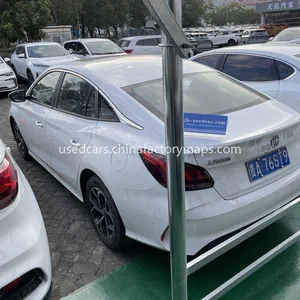
Featured Exporters
Verified premium exporters on our map.
 Guangzhou JH auto co,ltd
Guangzhou, Guangdong
Nearest port: Guangzhou Port · 23 km
Guangzhou JH Auto Co., Ltd (JH Auto) buys used, left-hand-drive Chinese cars in China, inspects and documents …
 JH Auto Group
Guangzhou, Guangdong
Nearest port: Guangzhou Port · 24 km
At jh-usedcar.com, we’re more than just a seller; we’re your partner in finding exceptional value. We combine …