
How Pre-Owned Cars Serve Family Transport in Southeast Asia
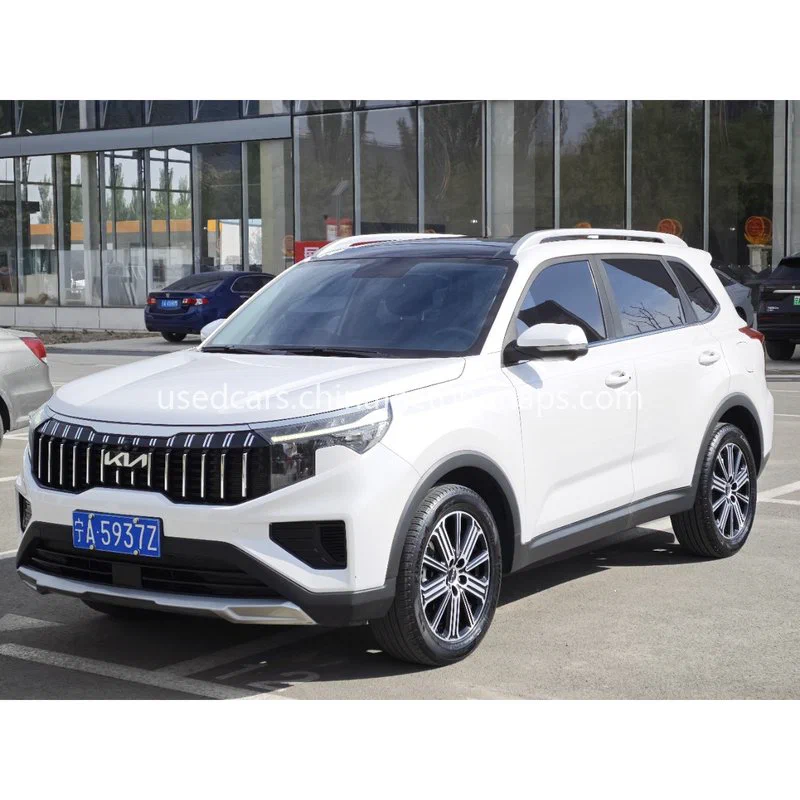
Family transport in Southeast Asia puts distinct demands on a pre-owned vehicle, from drive side and import eligibility to cabin layout and serviceability. This guide covers the checks buyers should make before sourcing complete used vehicles from Chinese exporters, including sedans, SUVs, MPVs and electric vehicles.
Match the vehicle to the destination
Southeast Asia is not one regulatory or road environment. A vehicle acceptable in one destination may be restricted in another by rules on age, emissions, roadworthiness or steering position. Confirm current requirements with the destination’s import authority or a qualified local customs broker before selecting stock. Most vehicles built for China’s domestic market are left-hand drive, which rules them out of purely right-hand-drive markets. Where regulations permit left-hand-drive vehicles, check whether local registration and everyday use are practical.
Family use shapes the specification. An MPV may suit households carrying several passengers, while a sedan can be easier to park and maneuver in dense urban areas. An SUV’s ground clearance may help on uneven roads or during heavy rain, but it does not remove the need to inspect the underbody, suspension and tires. Buyers should define passenger capacity, child-seat arrangements, luggage needs and typical road conditions before comparing listings. The question “what is a preowned car” is only a starting point; the useful question is whether that particular vehicle fits the family’s routes and the destination’s rules.
Specify for climate, fuel and service
Heat, humidity and heavy rainfall make condition checks especially relevant. Ask for clear photographs and an independent inspection covering air-conditioning performance, cooling system, door and window seals, interior dampness, corrosion and signs of water entry. A test drive, where available, can help assess braking, steering, transmission behavior and suspension noise. Request the VIN and compare it across vehicle documents and identification points; review service records and mileage evidence, but treat neither mileage nor history as guaranteed. Any discrepancy should be resolved before payment or shipping.
Fuel quality and workshop coverage affect which powertrain is practical. Buyers should check the vehicle’s stated fuel requirements against fuel commonly available in the intended area, and identify local workshops able to service its engine, transmission and electronics. For an EV or hybrid, verify battery state-of-health information and confirm that diagnostic access and replacement components are available locally. EV shipments also involve battery transport requirements that do not apply in the same way to combustion vehicles. Charging compatibility, connector type and local charging access should be checked before selecting an electric family car.

A parts network can matter as much as the initial vehicle specification. Common models may be easier to maintain where independent garages and parts suppliers already support them, but availability varies by locality and model year. Ask local repairers to confirm access to routine service items and model-specific components before committing. Families planning long-distance travel should also consider the location of repair facilities along their regular routes. A lower purchase cost can be offset by downtime or difficult parts sourcing, so compare the full operating picture rather than the listing alone.
Source by location and verify export steps

Chinese used-vehicle exporters are mapped in Guangdong, Hubei, Chongqing, Jiangsu, Henan, Sichuan, Beijing, Hunan and Shandong. These locations provide starting points for comparing exporters by geography and distance to a covered port, not a guarantee of a particular model or service. Guangdong listings include Guangzhou and Foshan; Hubei listings include Wuhan; Jiangsu listings include Nanjing and Changzhou. Buyers can compare logistics routes to ports such as Guangzhou Port, Shenzhen Port, Shanghai Port, Ningbo-Zhoushan Port, Qingdao Port and Tianjin Port. The practical route depends on the exporter, vehicle and shipment plan.
China’s used-car exports operate through designated export pilot cities and require export licensing, customs declaration and pre-shipment inspection. Confirm which party handles each step and what documents will be provided. Vehicles may ship by RoRo or loaded into containers; suitability depends on the vehicle, route and handling plan. Before dispatch, match the inspected vehicle’s VIN and condition records to the sales and export documents, and agree how discrepancies will be handled. At destination, confirm the current import rules, taxes, registration process and required inspections. These checks help align a family’s transport needs with the realities of importing and maintaining a vehicle.
FAQ
Q: Can a left-hand-drive vehicle be used in every Southeast Asian market? A: No. Most Chinese domestic vehicles are left-hand drive, and some destinations restrict or do not permit them. Confirm current steering-side and registration rules for the destination.
Q: What should families check before choosing an MPV or SUV? A: Confirm passenger and luggage needs, child-seat fit, road conditions, fuel requirements and local workshop support. Have the specific vehicle inspected rather than relying on its category or listing description.
Q: What extra checks apply to a used electric vehicle? A: Review battery state-of-health information, charging compatibility and local service access. Confirm battery transport requirements for shipping as well.
Related Articles
Featured Exporters
Verified premium exporters on our map.
 JH Auto Group
Guangzhou, Guangdong
Nearest port: Guangzhou Port · 24 km
At jh-usedcar.com, we’re more than just a seller; we’re your partner in finding exceptional value. We combine …
 Guangzhou JH auto co,ltd
Guangzhou, Guangdong
Nearest port: Guangzhou Port · 23 km
Guangzhou JH Auto Co., Ltd (JH Auto) buys used, left-hand-drive Chinese cars in China, inspects and documents …