
How Pricing Trends in Used Cars Affect Export Strategies
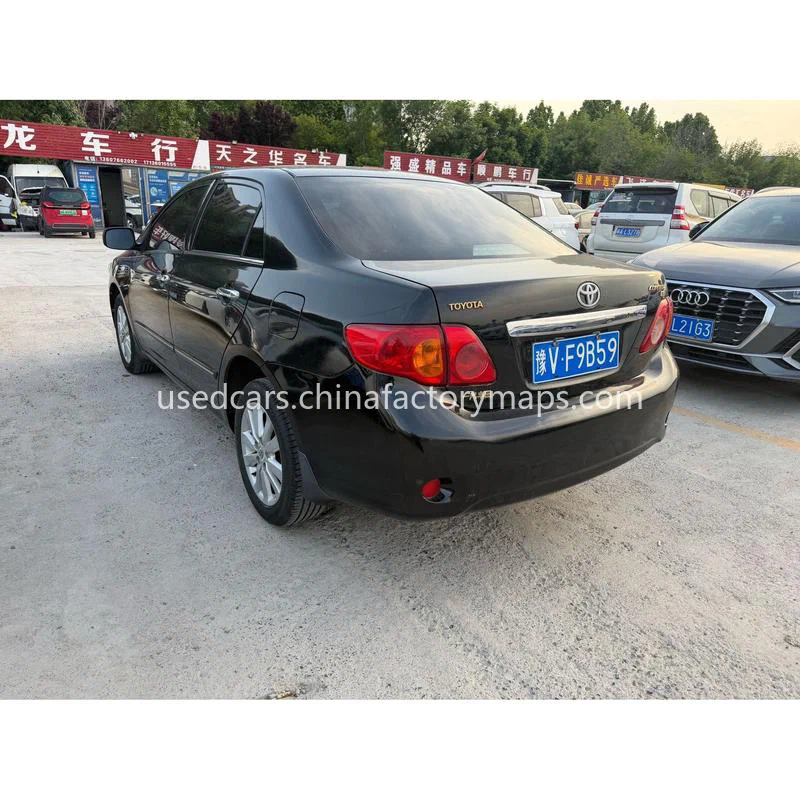
Changes in pricing trends for used vehicles are impacting export strategies for buyers sourcing from China. As the market evolves, various factors are causing fluctuations in the prices of used cars, which in turn influences the approach exporters and buyers take. This article examines the current trends and their implications for international buyers interested in Chinese used vehicles.
Current Pricing Dynamics

The pricing landscape for used cars has seen noticeable shifts influenced by both domestic and international market conditions. Increased demand for used vehicles, particularly in emerging markets, has driven prices up. Exporters are adjusting their strategies in response, often requiring buyers to be more agile and informed about current pricing trends. Additionally, the used car venue price is being affected by changes in consumer preferences, as more buyers express interest in electric and hybrid vehicles. This growing segment is leading to varied pricing strategies that differ from traditional combustion engine vehicles.
Impact of Regulations and Compliance
Regulatory changes play a significant role in shaping the pricing dynamics of used vehicles. Export licensing, customs declaration, and pre-shipment inspection requirements mean that exporters must account for additional costs in their pricing. These regulations can vary significantly by destination market, affecting the final price buyers may have to pay. For instance, stricter emissions standards in certain regions can limit the age and type of vehicles eligible for export, compelling exporters to adapt their inventories and pricing strategies accordingly. Buyers should ensure they understand the latest compliance requirements for their target markets to avoid unexpected costs.

The Shift Towards Electric Vehicles

The growing focus on new energy vehicles has altered the pricing structure in the used car market. As battery technology advances and consumer preferences shift, used EVs are becoming more popular. However, buyers need to consider specific factors such as battery health and state of health when evaluating these vehicles. The costs associated with transporting and handling used EVs also differ from traditional vehicles, further complicating pricing strategies. As this segment continues to expand, both exporters and buyers must stay informed about trends and pricing to make effective purchasing decisions.
Strategic Sourcing for Buyers
With the ongoing changes in pricing and market dynamics, buyers are encouraged to adopt strategic sourcing methods. Engaging with multiple exporters, understanding regional pricing variations, and leveraging technology for price comparison can enhance sourcing efficiency. Additionally, buyers should prioritize thorough vehicle inspections and mileage verification to ensure the vehicles meet their standards. As the used vehicle export market continues to evolve, staying adaptable and informed is essential for success.
FAQ
Q: What factors influence used car prices in China?
A: Used car prices are influenced by demand fluctuations, regulatory changes, and shifts toward electric vehicles.
Q: How can buyers ensure they are getting a fair price?
A: Buyers should engage with multiple exporters, conduct price comparisons, and verify vehicle conditions to ensure fair pricing.
Related Articles
Featured Exporters
Verified premium exporters on our map.
 Guangzhou JH auto co,ltd
Guangzhou, Guangdong
Nearest port: Guangzhou Port · 23 km
Guangzhou JH Auto Co., Ltd (JH Auto) buys used, left-hand-drive Chinese cars in China, inspects and documents …
 JH Auto Group
Guangzhou, Guangdong
Nearest port: Guangzhou Port · 24 km
At jh-usedcar.com, we’re more than just a seller; we’re your partner in finding exceptional value. We combine …