
How Tesla Fleet Turnover Is Reshaping China's Used Car Exports
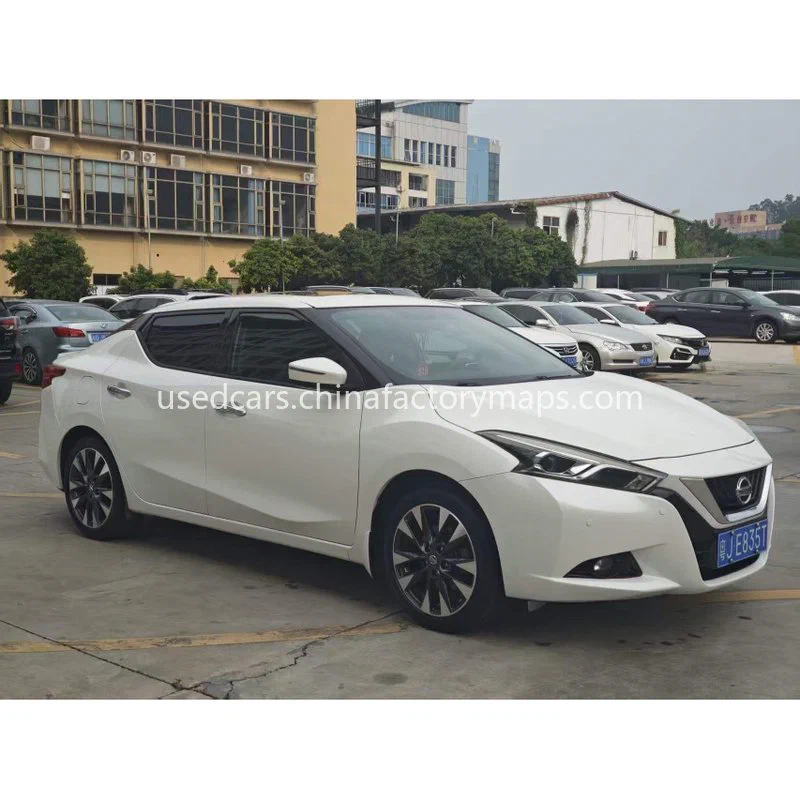
Tesla fleet turnover is changing the composition of China’s used vehicle export trade, bringing more electric sedans and SUVs into sourcing channels alongside conventional passenger vehicles. For overseas buyers, the shift creates new opportunities but also changes how vehicles need to be evaluated, documented and shipped. Battery condition and destination-market compatibility now carry greater weight in purchasing decisions.
Fleet turnover changes the export supply mix
Tesla vehicles entering the used market come from several channels, including private ownership, fleet replacement and changes in corporate vehicle operations. As earlier vehicles are replaced or resold, some enter domestic used vehicle distribution before being considered for export. This creates a more varied supply of pre-owned electric vehicles, with differences in registration history, usage patterns, mileage and battery condition.
The change matters because used vehicle exporters are no longer dealing only with familiar combustion-engine categories. Tesla Model 3 and Model Y vehicles introduce a distinct set of inspection requirements. Buyers searching for pre owned cars tesla should distinguish between vehicles released from private ownership and those with commercial or fleet use. The distinction does not establish condition by itself, but it helps identify which records deserve closer examination.
Regional sourcing and export logistics
China’s used vehicle export activity is organised around designated export pilot cities. The mapped exporter network on chinafactorymaps.com covers Guangdong, Hubei, Chongqing, Jiangsu, Henan, Sichuan, Beijing, Hunan and Shandong. These locations provide different starting points for sourcing and logistics planning. Guangdong includes Guangzhou and Foshan, while Hubei includes Wuhan. Jiangsu’s mapped locations include Nanjing and Changzhou.

For Tesla sourcing, geographic location affects more than collection distance. It also influences inland transport arrangements, inspection coordination and the route to an export terminal. A supplier located closer to a relevant port may reduce some domestic transport requirements, although the final shipping arrangement depends on vessel schedules, vehicle handling and destination requirements. Buyers can compare mapped exporters by location and distance to Shanghai Port, Ningbo-Zhoushan Port, Shenzhen Port, Qingdao Port and Guangzhou Port, among other covered ports.
This geographic comparison is useful when evaluating several suppliers offering similar vehicle configurations. An exporter in Guangdong may be relevant to shipments through Shenzhen Port or Guangzhou Port, while Jiangsu-based sourcing may warrant comparison with Shanghai Port, Ningbo-Zhoushan Port or Taicang Port. The nearest port is not automatically the best port. Freight availability, export processing arrangements and the destination’s preferred route also affect the decision.
Battery condition becomes a sourcing priority
Electric vehicle inspection requires checks that do not apply in the same way to conventional vehicles. Battery state of health is a central consideration because displayed driving range alone cannot establish the battery’s remaining capacity. Buyers should request available battery diagnostic records and clarify how the reported state-of-health figure was measured. Independent inspection can help assess whether the available information matches the vehicle’s actual condition.
Tesla-specific checks should also cover charging operation, onboard systems, software access, warning messages and evidence of previous repairs. Battery damage, cooling-system issues and charging faults may not be apparent from exterior photographs. Service history and accident records should be reviewed where available, with particular attention to repairs involving the battery pack or high-voltage components. No mileage figure or seller description should replace a physical inspection.

Documentation matters as much as the vehicle itself. Exporters must meet applicable export licensing requirements, customs declaration procedures and pre-shipment inspection requirements. Buyers should establish which party handles each stage and obtain the relevant vehicle identification, ownership and inspection records before committing to a shipment. A vehicle’s domestic registration status does not, by itself, establish that it is eligible for export.
Destination rules shape purchasing decisions
A Tesla suitable for one destination may not qualify for another. Import regulations can address vehicle age, emissions classification, roadworthiness, charging compatibility and left-hand-drive or right-hand-drive configuration. Most vehicles produced for China’s domestic market are left-hand drive, which limits their suitability for destinations that accept only right-hand-drive vehicles. Requirements also differ between markets and can change.
Shipping arrangements introduce another consideration. Used electric vehicles can move by roll-on/roll-off vessel or in containers, depending on the carrier, port arrangements and cargo acceptance conditions. Battery classification and transport documentation need to be checked before booking. Buyers should confirm the carrier’s current requirements for used electric vehicles rather than assume that procedures for conventional cars apply unchanged.
For sourcing teams, the practical response to fleet turnover is a more structured comparison process. Vehicle specification, battery evidence, export eligibility, supplier location and port access should be assessed together. The chinafactorymaps.com directory provides a geographic starting point for identifying mapped exporters; commercial terms, vehicle condition and export documentation still require direct verification with the relevant supplier.
FAQ
Q: Are used Tesla vehicles from China available through the used vehicle export trade?
A: Used Tesla vehicles may enter export sourcing channels through domestic resale and exporter networks. Buyers should verify individual vehicle availability, ownership records and export eligibility directly with the supplier.
Q: What should buyers check before exporting a used Tesla from China?
A: Check battery state of health, diagnostic records, accident and service history, charging compatibility, vehicle configuration and destination import rules. Confirm export licensing, customs declaration, pre-shipment inspection and battery transport requirements before shipment.
Related Articles
Featured Exporters
Verified premium exporters on our map.
 JH Auto Group
Guangzhou, Guangdong
Nearest port: Guangzhou Port · 24 km
At jh-usedcar.com, we’re more than just a seller; we’re your partner in finding exceptional value. We combine …
 Guangzhou JH auto co,ltd
Guangzhou, Guangdong
Nearest port: Guangzhou Port · 23 km
Guangzhou JH Auto Co., Ltd (JH Auto) buys used, left-hand-drive Chinese cars in China, inspects and documents …