
How to Buy Used Cars for Family Travel in Gulf Heat
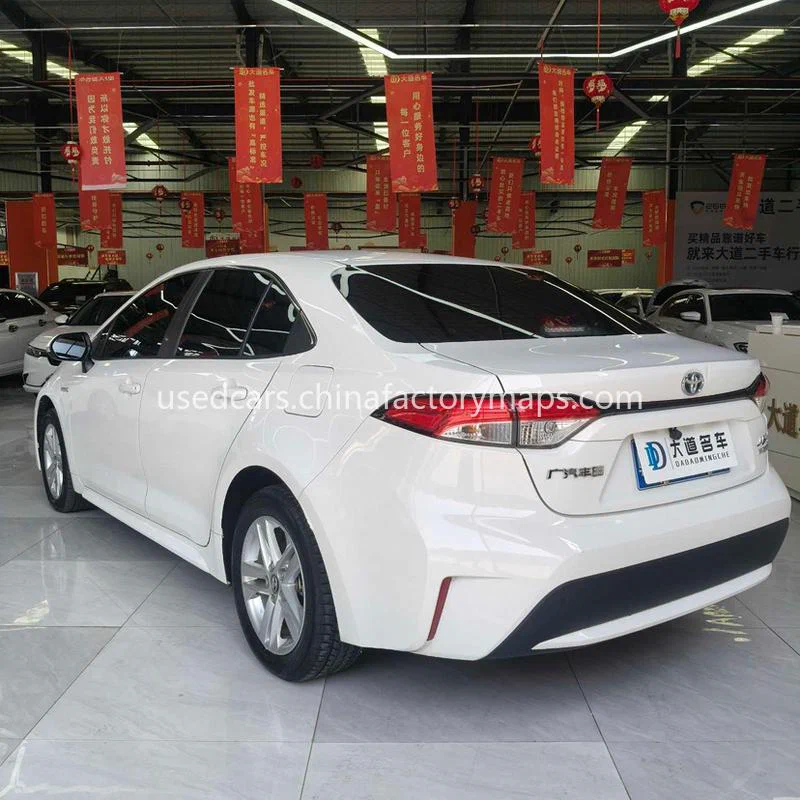
Gulf family travel puts sustained demands on a used vehicle: high cabin temperatures, long highway journeys, sand and dust, and heavy use of air conditioning. This guide covers the vehicle details to specify, checks that matter in heat, and how Chinese exporter locations and port access fit into sourcing. Import rules differ across Gulf destinations, so confirm current requirements for the country of registration before selecting a vehicle.
Specify for the destination

Start with drive side. Most Chinese domestic vehicles are left-hand drive, which suits left-hand-drive destinations but rules out markets that accept only right-hand-drive vehicles. Confirm the destination’s current rules on vehicle age, emissions, roadworthiness and model eligibility; these can change and may vary by vehicle type. Do not assume a vehicle permitted in one Gulf country can be imported into another.
For family use, specify seating, luggage capacity and the journey pattern rather than choosing by body style alone. An SUV or MPV may fit passengers and luggage, while a sedan may suit households with different space needs. Ask for the exact trim and equipment, including air-conditioning configuration, rear vents, sun protection glass and spare wheel provision. These details can vary between versions of the same model. If a feature matters for everyday comfort, verify it against the vehicle identification number and current photographs rather than relying on a model name.
Heat, condition and support
Heat affects more than comfort. Ask for an inspection that checks cooling-system operation, radiator and condenser condition, hoses, battery, tyres, air-conditioning performance and evidence of overheating or repairs. Request dated photos or video of the engine bay, cabin and underbody, then arrange an independent inspection where practical. Compare the odometer reading with service records and available vehicle history; neither mileage nor condition should be treated as guaranteed. Dust exposure and long periods parked outdoors can also affect seals, paint, interior materials and electrical components.
Fuel quality and local service coverage deserve attention before choosing a powertrain. Confirm the manufacturer’s fuel specification and check whether suitable fuel is readily available along the intended routes. For any model, identify whether routine parts and qualified service are accessible in the destination, not just in its main city. A less familiar model may have fewer independent repair options. For a used electric vehicle, also request battery state-of-health information and clarify how the battery will be handled for transport; these checks are specific to EVs and do not replace general vehicle inspection.
Sourcing and shipment
China’s used-vehicle exports operate through designated export pilot cities and require export licensing, customs declaration and pre-shipment inspection. Mapped exporter clusters include Guangdong, with Guangzhou and Foshan; Hubei, including Wuhan; Chongqing; and Jiangsu, including Nanjing and Changzhou. Their presence on a directory map helps buyers compare supplier locations and distance to covered ports, but location alone does not establish a supplier’s experience with a particular destination or vehicle type. Ask exporters directly about documentation, inspection arrangements and prior shipments to the intended market.
Port choice affects inland movement and the shipping plan. Covered ports include Guangzhou, Shenzhen, Shanghai, Ningbo-Zhoushan, Qingdao and Tianjin, among others. Vehicles ship by RoRo or in containers; the suitable method depends on the vehicle, routing and cargo arrangement. Before committing, confirm the named port of loading, export documents, inspection timing and who coordinates each step. A practical approach to how to buy second hand cars for Gulf use is to set destination compliance and service needs first, then compare eligible vehicles and logistics.

FAQ
Q: Are left-hand-drive Chinese vehicles suitable for Gulf destinations? A: Many Chinese domestic vehicles are left-hand drive, but import rules differ by destination. Confirm the current drive-side and registration requirements for the specific country.
Q: What should a buyer check for a vehicle used in hot weather? A: Request checks of the cooling system, air conditioning, tyres, battery and signs of overheating or heat-related wear. Verify service records and odometer evidence independently.
Q: How are used vehicles exported from China? A: Exports require licensing, customs declaration and pre-shipment inspection through designated export pilot cities. Vehicles are shipped by RoRo or in containers, with destination import rules confirmed separately.
Related Articles
Featured Exporters
Verified premium exporters on our map.
 JH Auto Group
Guangzhou, Guangdong
Nearest port: Guangzhou Port · 24 km
At jh-usedcar.com, we’re more than just a seller; we’re your partner in finding exceptional value. We combine …
 Guangzhou JH auto co,ltd
Guangzhou, Guangdong
Nearest port: Guangzhou Port · 23 km
Guangzhou JH Auto Co., Ltd (JH Auto) buys used, left-hand-drive Chinese cars in China, inspects and documents …