How to Choose Good Price non-new vehicles for Cost Effective Automotive Trade
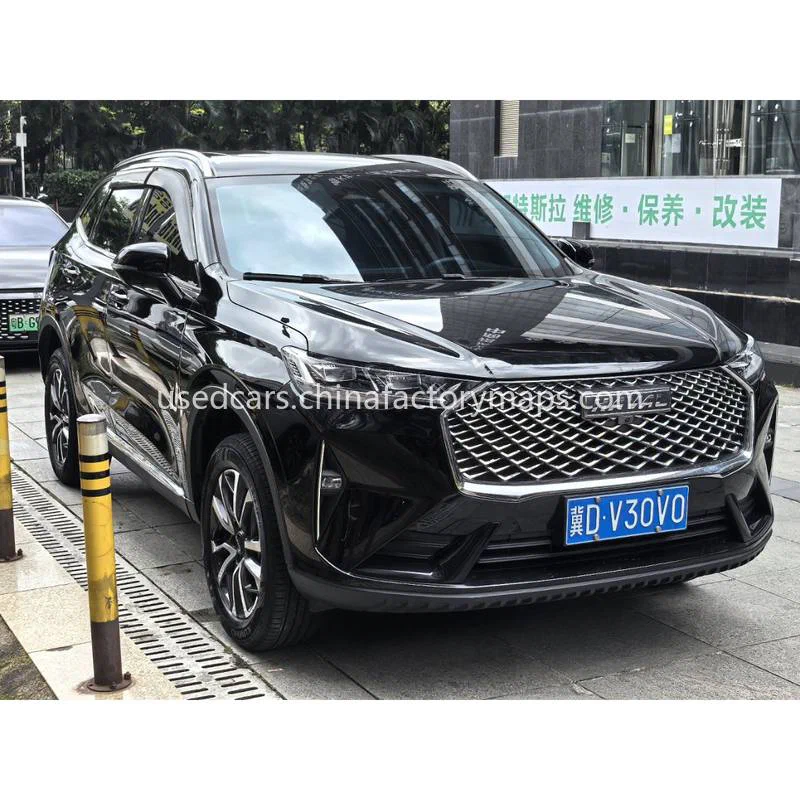
Non-new vehicles are a major category in international automotive trade, covering used passenger cars, commercial vehicles, and used EVs. This article explains how buyers can evaluate vehicle sourcing options, pricing factors, and export requirements for cost effective automotive transactions.
Selecting well-priced used vehicles requires more than comparing listing prices. Buyers usually assess vehicle type, market demand, inspection records, and export readiness before committing to a purchase. A lower purchase price may not represent a better trade opportunity if repair needs, shipping expenses, or destination compliance issues reduce the final margin.
Key factors when evaluating vehicle price
Vehicle condition is a primary factor in used vehicle sourcing. Buyers should review available vehicle inspection reports, service history, VIN check information, and mileage verification records where available. These documents help identify previous use, maintenance background, and possible risks. Condition grades can support comparison, but they should be reviewed together with inspection details rather than treated as a guarantee.
Vehicle specifications also affect resale potential. Common factors include:
- Vehicle type and demand, such as used sedan, used SUV, used MPV, or used commercial vehicle
- Drive side compatibility, especially for markets with right hand drive requirements
- Emission standard and roadworthiness rules in the destination market
- Spare parts availability and maintenance support
- Charging standard and battery health for used EV purchases
Most Chinese domestic vehicles are left-hand drive, which limits suitability for markets that require right-hand drive vehicles. Destination regulations differ, so buyers should confirm current import requirements before selecting inventory.
Understanding export and shipping requirements
China’s used vehicle exports operate through designated export pilot cities and require export licensing, customs declaration, and pre-shipment inspection. Export documents commonly include inspection records and shipping documents required for customs and delivery processes.

Vehicles are generally transported through RoRo shipping or container shipping. RoRo is often used for vehicle transport at scale, while containers may be selected for certain vehicle types, routes, or protection requirements. Shipping cost, transit time, marine insurance, and port procedures can influence the total landed cost.
Import requirements are set by each destination market. Rules may cover vehicle age, emissions, safety standards, import duties, and homologation procedures, but these conditions can change and vary between countries. Buyers should confirm current regulations with local authorities or qualified import partners.
Building a reliable sourcing process
Wholesale vehicles are often purchased through dealer sourcing channels, auction sourcing, or direct export suppliers. A structured evaluation process helps reduce unexpected costs. Buyers should compare multiple vehicle options, review documentation, confirm payment terms, and understand after sales support arrangements.
Used EV transactions require additional checks. Battery state of health, battery transport considerations, charging compatibility, and available service networks are important differences compared with combustion vehicles. Battery condition should be verified through inspection data rather than assumed from vehicle age or appearance.

For commercial buyers, the best sourcing choice balances acquisition price with export suitability and destination market demand. A vehicle with clear documentation and appropriate specifications can support smoother customs clearance and resale planning.
FAQ
Q: What documents should buyers check before purchasing used vehicles for export?
A: Buyers should review export documents, vehicle inspection reports, VIN information, and available service history. Requirements may differ by supplier and destination market.
Q: Are cheaper used vehicles always better for automotive trade?
A: A lower purchase price does not always create a better margin. Buyers should consider condition, compliance, shipping cost, and local market demand.
Q: What should buyers check when importing used EVs?
A: Buyers should verify battery health, state of health records, charging standard compatibility, and destination rules for EV imports.
Related Articles
-
 How to Choose Good Quality Certified Used Car Supplier for International Markets
-
 How to Find Best Quality Certified Used Cars Dealer for Reliable Purchases
-
 How to Find Quality Pre-loved automobiles Supplier for Global Vehicle Markets
-
 How to Select Best Quality Second-hand Motor Car for Reliable Transportation
Featured Exporters
Verified premium exporters on our map.
-
 Guangzhou JH auto co,ltd
Guangzhou, Guangdong
Nearest port: Guangzhou Port · 23 km
Guangzhou JH Auto Co., Ltd (JH Auto) buys used, left-hand-drive Chinese cars in China, inspects and documents …
Guangzhou JH auto co,ltd
Guangzhou, Guangdong
Nearest port: Guangzhou Port · 23 km
Guangzhou JH Auto Co., Ltd (JH Auto) buys used, left-hand-drive Chinese cars in China, inspects and documents …
-
 JH Auto Group
Guangzhou, Guangdong
Nearest port: Guangzhou Port · 24 km
At jh-usedcar.com, we’re more than just a seller; we’re your partner in finding exceptional value. We combine …
JH Auto Group
Guangzhou, Guangdong
Nearest port: Guangzhou Port · 24 km
At jh-usedcar.com, we’re more than just a seller; we’re your partner in finding exceptional value. We combine …