How to Select Best Quality Second-hand Motor Car for Reliable Transportation
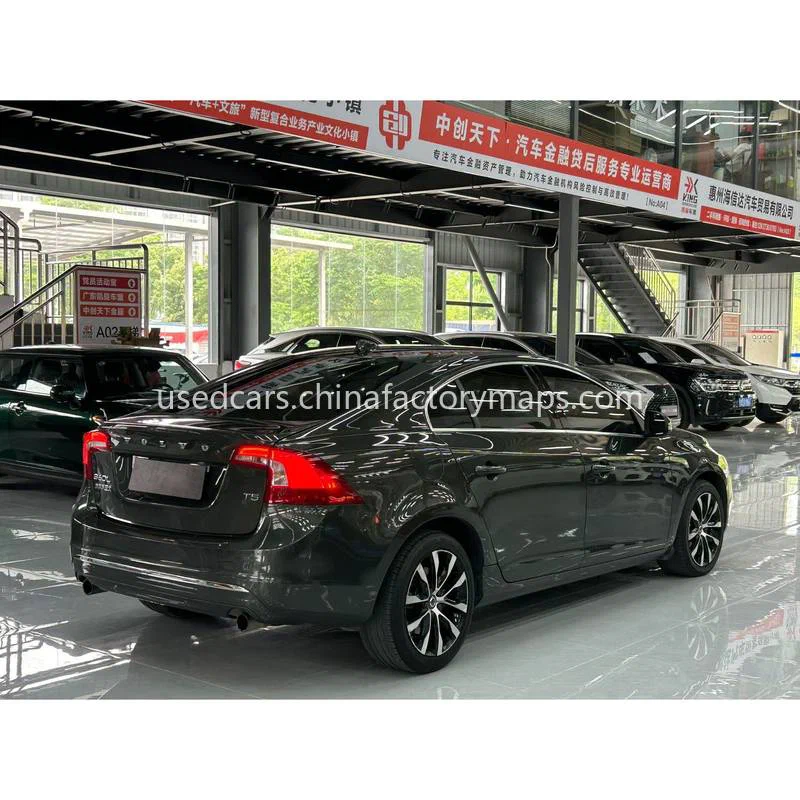
Selecting a suitable second-hand motor car requires a structured review of vehicle condition, documentation, and market suitability. For B2B buyers sourcing vehicles for resale or fleet use, quality assessment helps reduce operational risks and support consistent supply decisions.
Vehicle inspection should begin with physical condition checks and document verification. A buyer should review the vehicle inspection report, service history, accident records, and mileage verification results where available. A VIN check can help confirm identity details and uncover recorded information, but it should be combined with a professional inspection rather than used as the only evaluation method.
Mechanical condition is a key factor in transport performance. Inspectors should assess the engine, transmission, braking system, suspension, tires, electrical components, and interior condition. Mileage should be verified through available records because displayed mileage alone does not confirm actual usage. Vehicle condition grade systems can help compare units, but buyers should understand the grading method used by the supplier.

For international sourcing, vehicle specifications must match destination market requirements. Most Chinese domestic vehicles are left-hand drive, which may limit suitability for markets requiring right-hand-drive vehicles. Export transactions from China involve designated export pilot cities, export licensing, customs declaration, and pre-shipment inspection. Vehicles are shipped through RoRo or container shipping channels, with documentation such as the bill of lading and certificate of origin depending on the transaction.
Used electric vehicles require additional checks beyond traditional vehicles. Battery health, state of health records, charging standard compatibility, and battery transport considerations should be reviewed before purchase. Destination markets may apply different rules for vehicle age, emission standard, drive side, and roadworthiness, so import requirements should be confirmed with local authorities or customs specialists before shipment.

Key checks for second-hand vehicle sourcing
- Confirm VIN details and available history records
- Review vehicle inspection reports and maintenance records
- Check mileage verification information
- Evaluate battery health for used EV units
- Confirm export documents and destination requirements
- Match vehicle specifications with local road regulations

FAQ
Q: What documents should buyers check before purchasing used export vehicles?
A: Buyers should review available vehicle records, inspection reports, export documents, and shipping paperwork. The exact documents required depend on the supplier process and destination market.
Q: Are used electric vehicles inspected differently from fuel vehicles?
A: Yes. Used EV buyers should pay attention to battery health, state of health data, charging compatibility, and battery transport requirements in addition to standard vehicle checks.
Q: Can a supplier guarantee the condition of a used vehicle?
A: No vehicle condition should be assumed without verification. Buyers should use inspections, records, and independent checks to evaluate each unit before purchase.
Related Articles
Featured Exporters
Verified premium exporters on our map.
-
 JH Auto Group
Guangzhou, Guangdong
Nearest port: Guangzhou Port · 24 km
At jh-usedcar.com, we’re more than just a seller; we’re your partner in finding exceptional value. We combine …
JH Auto Group
Guangzhou, Guangdong
Nearest port: Guangzhou Port · 24 km
At jh-usedcar.com, we’re more than just a seller; we’re your partner in finding exceptional value. We combine …
-
 Guangzhou JH auto co,ltd
Guangzhou, Guangdong
Nearest port: Guangzhou Port · 23 km
Guangzhou JH Auto Co., Ltd (JH Auto) buys used, left-hand-drive Chinese cars in China, inspects and documents …
Guangzhou JH auto co,ltd
Guangzhou, Guangdong
Nearest port: Guangzhou Port · 23 km
Guangzhou JH Auto Co., Ltd (JH Auto) buys used, left-hand-drive Chinese cars in China, inspects and documents …