
How to Ship a Used Car From China to Your Destination Market
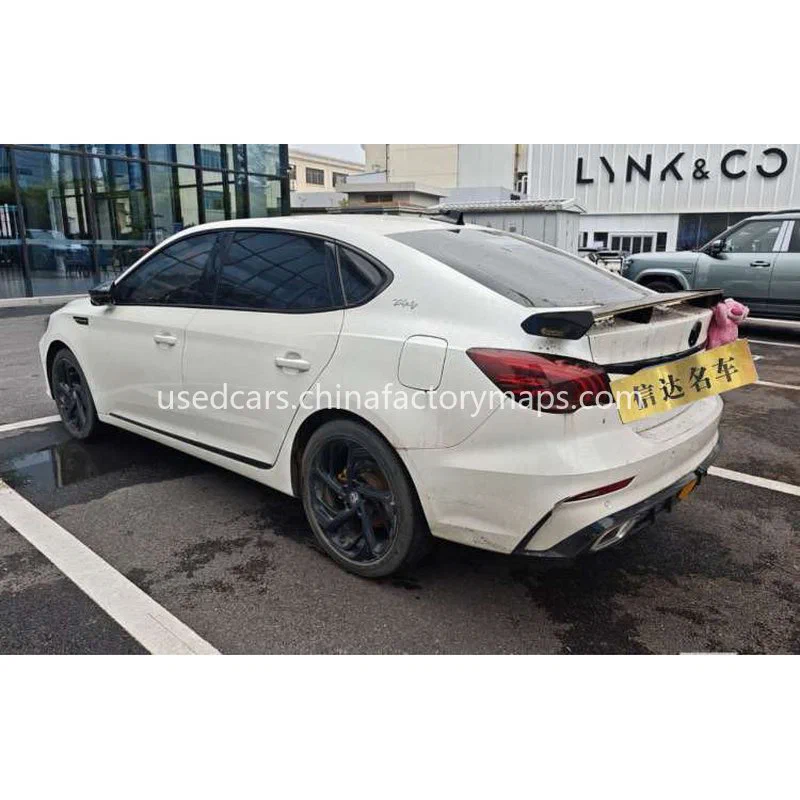
Shipping a used car from China involves more than choosing a vehicle and arranging freight. Buyers need to assess the exporter’s location, the available port routes, the loading method and the import requirements of the destination market. ChinaFactoryMaps.com helps overseas buyers compare mapped exporters by region and distance to major export ports.
Choosing an exporter by location and port access
China’s used vehicle export trade operates through designated export pilot cities. Exporters must meet applicable licensing requirements, complete customs declarations and arrange required pre-shipment inspections. The location of the exporter affects how a vehicle reaches the port, how much inland transport is involved and how easily the shipment can be coordinated.
The directory maps exporters across Guangdong, Hubei, Chongqing, Jiangsu, Henan, Sichuan, Beijing, Hunan and Shandong. Guangdong listings include Guangzhou and Foshan, while Hubei listings include Wuhan. Jiangsu includes Nanjing and Changzhou. These regional clusters provide starting points for comparing suppliers against the ports that fit a planned shipping route.
For Guangdong sourcing, Shenzhen Port and Guangzhou Port are relevant options to investigate. Jiangsu buyers may compare Shanghai Port, Taicang Port and Ningbo-Zhoushan Port, depending on the exporter’s actual dispatch location and available services. Shandong sourcing can prompt a comparison with Qingdao Port and Rizhao Port. Tianjin Port may be relevant to shipments arranged from Beijing or other suitable inland locations, but the route must be confirmed with the exporter or freight forwarder.

Geographic proximity is useful, not conclusive. A nearby port may lack a suitable sailing schedule, vehicle-handling arrangement or available booking for the intended shipment. The practical comparison is between the exporter’s loading facility and the port actually handling the vehicle, including inland haulage, terminal handling and the time needed to prepare export documents.
Selecting RoRo or container shipping
Roll-on/roll-off (RoRo) shipping carries vehicles that are driven or otherwise moved onto a vessel designed for vehicle transport. It can suit complete, operable vehicles when a suitable service accepts the shipment. Buyers should confirm RoRo availability for the chosen port, the vessel’s sailing schedule, terminal acceptance requirements and whether the vehicle can be delivered in the required condition.
Container shipping offers a different set of trade-offs. Vehicles are secured inside a container, either individually or in a planned multi-vehicle load. How many units fit depends on vehicle dimensions, container type, loading equipment, securing arrangements and applicable safety requirements. There is no universal unit count that applies to every shipment. Ask for a proposed loading plan and confirm whether the quoted arrangement includes loading, blocking, bracing and terminal handling.
Damage exposure also depends on execution. RoRo vehicles may be handled at several stages during terminal and vessel operations. Containerized vehicles can be exposed to damage during loading, securing, unloading or movement inside an inadequately prepared container. Neither method guarantees a damage-free journey. Before dispatch, document the vehicle’s exterior, interior, odometer reading and visible condition with dated photographs, and retain the inspection report and shipping records.
Port distance should therefore be evaluated alongside loading method. An exporter close to a suitable RoRo terminal may offer a practical route for a single vehicle, while a supplier farther away may be better positioned to coordinate a container shipment for several units. Buyers should compare the full logistics arrangement rather than assuming the shortest inland route produces the lowest delivered cost.
Compliance, documentation and electric vehicles

Before paying a deposit, confirm that the exporter can complete the applicable export process for the specific vehicle. The transaction should identify the vehicle clearly through its VIN, make, model, year and configuration. Buyers should also request available ownership and service records, mileage evidence, accident and repair disclosures, and an inspection report. These records help assess the vehicle but do not independently guarantee its condition or history.
The export documentation and destination import process must be coordinated. Confirm who handles the export licence, customs declaration, pre-shipment inspection and bill of lading, as well as any certificate of origin or other documents required for the transaction. The exact documentation depends on the shipment and applicable rules. The buyer or local customs broker should verify current destination requirements before the vehicle leaves China, including vehicle age restrictions, emission standards, steering position, roadworthiness, duties and taxes. These rules vary by country and may change.
Electric and other new energy vehicles need additional checks. Request available battery state-of-health information, diagnostic results, charging specifications and records of battery repairs or replacement. Battery condition can materially affect a used EV’s remaining range and resale prospects, while battery transport rules can affect shipping acceptance, documentation and handling. The carrier must confirm the applicable requirements for the particular vehicle and battery configuration before booking.
Comparing the complete shipping cost
A useful quotation separates the vehicle purchase price from inland transport, inspection, export handling, port charges, ocean freight, insurance and destination costs. It should identify the port of loading, proposed shipping method, expected dispatch arrangements and any exclusions. Destination handling, customs clearance, import duties, taxes and inland delivery may be billed separately. Comparing quotations on the same basis makes differences easier to identify.
The same discipline applies when comparing vehicles. Buyers searching for what is the best certified pre owned car to buy should distinguish a formal certification programme from an export inspection or a seller’s condition description. A certification label alone does not establish that a vehicle meets the buyer’s destination regulations or has a suitable shipping arrangement. The relevant checks are the vehicle’s documented condition, market eligibility, operating requirements and total landed cost.
ChinaFactoryMaps.com provides a geographic starting point for this assessment by showing mapped exporters and their proximity to major ports, including Shanghai, Ningbo-Zhoushan, Shenzhen, Qingdao, Guangzhou, Tianjin, Xiamen, Taicang, Beibu Gulf, Rizhao, Lianyungang and Yingkou. Use the map to develop a shortlist, then ask each exporter to confirm the actual dispatch point, intended port, loading method and export responsibilities. A location marker is not proof of stock, shipping capacity or regulatory compliance; those details require direct verification before an order is placed.
FAQ
Q: Which Chinese port should be used to ship a used car?
A: The appropriate port depends on the exporter’s location, available vessel services, terminal arrangements and destination route. Confirm the actual port of loading and total transport cost before selecting a supplier.
Q: Is RoRo or container shipping better for used vehicles?
A: RoRo can suit operable vehicles with access to a compatible service, while containers allow vehicles to be secured inside an enclosed unit. Compare availability, loading arrangements, handling costs and damage exposure for the specific shipment.
Q: What documents should be checked before exporting a used car from China?
A: Confirm the applicable export licence, customs declaration, pre-shipment inspection records and bill of lading arrangements. Also verify the destination’s current import rules and any additional documents required for the vehicle.
Related Articles
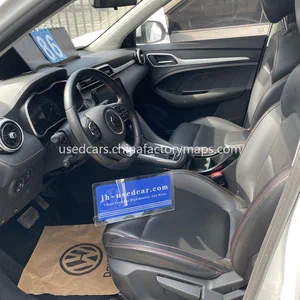
Featured Exporters
Verified premium exporters on our map.
 Guangzhou JH auto co,ltd
Guangzhou, Guangdong
Nearest port: Guangzhou Port · 23 km
Guangzhou JH Auto Co., Ltd (JH Auto) buys used, left-hand-drive Chinese cars in China, inspects and documents …
 JH Auto Group
Guangzhou, Guangdong
Nearest port: Guangzhou Port · 24 km
At jh-usedcar.com, we’re more than just a seller; we’re your partner in finding exceptional value. We combine …