
How Used Car Auctions Help Buyers Assess Exporters In China
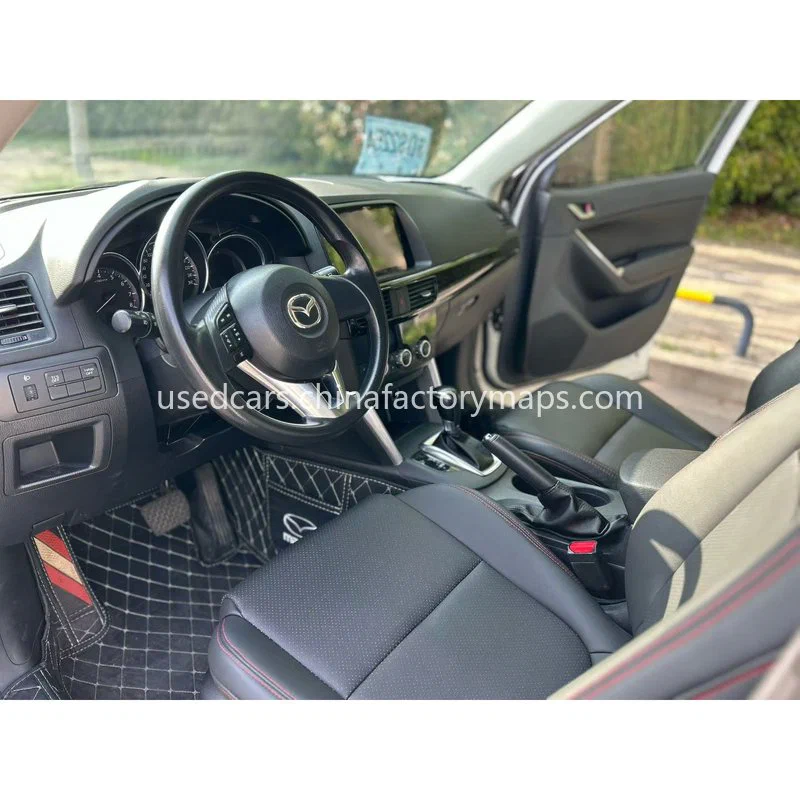
Used car auctions can provide a reference point for buyers assessing exporters in China, but the auction itself is only one part of exporter selection. This page explains how location, export pilot city status and verification steps help narrow suppliers before a purchase decision.
China’s used vehicle export system is organized around designated export pilot cities, where exporters handle licensing, customs declaration and pre-shipment inspection requirements. A map of exporter locations helps buyers identify clusters such as Guangdong, Hubei, Jiangsu and Chongqing, then compare exporters by access to major ports including Shanghai Port, Ningbo-Zhoushan Port and Shenzhen Port. Geography does not confirm quality, but it shows where export activity is concentrated and can help structure initial research.

Auction sourcing is often used by exporters to obtain inventory, including vehicles that later enter overseas sales channels. A buyer searching for a second hand cars auction may find information about available stock sources, but auction access alone does not show whether an exporter can complete an international transaction correctly. The exporter’s ability to manage export documents, inspection procedures and shipping arrangements matters more than the auction source itself.
Exporter vetting should focus on operational records rather than claims about individual vehicles. Buyers should confirm that the exporter holds the required export licence, understands customs declaration procedures and can provide the documents needed for shipment. Inspection records should be reviewed carefully, including vehicle condition details, mileage verification methods, VIN information and service history where available. For new energy vehicles, battery state of health and battery transport considerations require additional checks compared with combustion vehicles.

The destination market remains a key factor in exporter selection. Import rules differ by country, including requirements related to vehicle age, emissions, drive side and roadworthiness, so buyers should confirm current regulations before shipment. Most Chinese domestic vehicles are left-hand drive, which may limit suitability for markets that require right-hand-drive vehicles. Shipping arrangements also affect selection, with vehicles moving through methods such as RoRo or container shipping depending on the route and vehicle type.
A map-based directory supports the early stages of sourcing by showing where exporters are located and how their positions relate to export ports. Buyers can use this geographic view to build a shortlist, then conduct direct checks on licensing, inspection practices, documentation standards and payment terms. The directory does not replace due diligence, but it reduces the search area and provides a practical starting point for comparing exporters across China.
FAQ
Q: Does an auction listing confirm that an exporter is reliable? A: No. Auction access only shows a possible inventory source. Buyers should verify export capability, documentation and inspection processes separately.
Q: Why does an exporter’s location matter? A: Location can indicate proximity to export clusters and ports, which may affect logistics planning. It does not guarantee vehicle quality or service level.
Q: What should buyers check before importing used vehicles from China? A: Buyers should confirm export licensing, inspection records, customs documents and destination market requirements. Vehicle history and condition should be independently reviewed.
Related Articles
Featured Exporters
Verified premium exporters on our map.
 Guangzhou JH auto co,ltd
Guangzhou, Guangdong
Nearest port: Guangzhou Port · 23 km
Guangzhou JH Auto Co., Ltd (JH Auto) buys used, left-hand-drive Chinese cars in China, inspects and documents …
 JH Auto Group
Guangzhou, Guangdong
Nearest port: Guangzhou Port · 24 km
At jh-usedcar.com, we’re more than just a seller; we’re your partner in finding exceptional value. We combine …