Importing Used Cars for Ride-Hailing or Family Transport
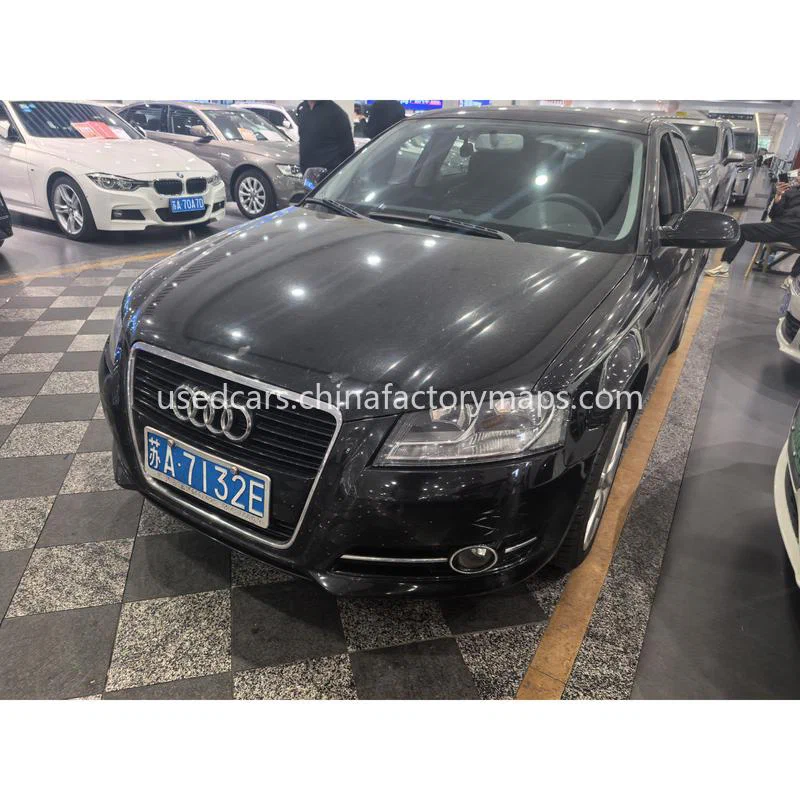
Importing used cars for ride-hailing or family transport requires careful consideration of destination-specific requirements. Buyers need to evaluate factors such as road conditions, fuel quality, and local regulations to ensure the vehicles they import meet both legal and practical needs. This article explores how these factors influence the selection of suitable used cars and highlights the key Chinese export cities that cater to such demand.
Regulatory and Practical Considerations
Every destination country has its own rules regarding vehicle imports, which often include age restrictions, emission standards, and drive-side requirements. For example, many countries impose an age cap on used vehicles, usually varying between five to ten years. Buyers should confirm these limits for their intended destination. Emission standards, such as Euro 4 or higher, may also be mandated. Additionally, the drive side matters; most Chinese vehicles are left-hand drive, which makes them suitable for markets like Central Asia, the Middle East, and parts of Africa but less so for right-hand-drive regions like Southeast Asia. Before committing to a purchase, buyers should ensure the vehicle aligns with these regulations.
Road and Climate Conditions
Road and climate conditions in the destination country can significantly influence vehicle choice. For ride-hailing services in urban areas with well-maintained roads, used sedans such as the Toyota Corolla or Camry are popular for their fuel efficiency and reliability. Conversely, regions with rough terrain or underdeveloped infrastructure may require sturdier vehicles like SUVs or MPVs, with higher ground clearance and better suspension systems. Climate also plays a role; in hot regions, vehicles with robust air conditioning systems are essential, while colder climates may require cars equipped with engine block heaters and all-wheel-drive systems.
Fuel Quality and Engine Considerations
Fuel quality varies significantly across regions, and this can impact the long-term performance of imported vehicles. Many developing countries still rely on lower-grade fuels, which may not be compatible with advanced engines that require high-octane or low-sulfur diesel. Buyers should verify the fuel compatibility of the vehicles they intend to import. For ride-hailing purposes, fuel-efficient models can help reduce operational costs, especially in areas where fuel prices are high. Similarly, for family use, vehicles with hybrid or new energy options might be preferred in regions where charging infrastructure is expanding.

Service Network and Parts Availability

A well-established service network is crucial for maintaining imported vehicles. Popular brands like Toyota, Honda, and Nissan often have widespread service centers and readily available spare parts in many markets, making them safer choices for buyers. In contrast, lesser-known or domestic Chinese brands may present challenges in sourcing replacement parts or finding skilled mechanics. Buyers should assess the local availability of parts and servicing options before finalizing their choice. For ride-hailing operators, downtime due to maintenance issues can result in significant revenue loss, emphasizing the importance of this factor.

Key Export Cities for Destination Markets
Different Chinese export cities specialize in serving specific markets, depending on their proximity to major ports and the type of vehicles commonly exported. For buyers targeting Southeast Asian markets, Guangdong-based exporters in Guangzhou or Foshan are well-positioned to ship through Shenzhen Port. For Central Asia, Hubei-based exporters in Wuhan or exporters in Chongqing offer access to inland transit routes and ports like Shanghai or Lianyungang. Buyers interested in African or Middle Eastern markets may find Jiangsu exporters near Taicang Port or Shandong exporters near Qingdao Port to be more experienced in serving those regions. Understanding these regional specializations can streamline the sourcing and shipping process.
FAQ
Q: How do I ensure a used car meets my destination’s emission standards?
A: Check the vehicle’s emission certification and compare it with the requirements of your destination country. Consult local import regulations to confirm.
Q: Are electric vehicles suitable for ride-hailing in developing regions?
A: Electric vehicles may be suitable if charging infrastructure is available and reliable. Buyers should also assess the battery’s state of health and local electricity costs.
Q: Which Chinese export cities are best for sourcing used vehicles for Africa?
A: Jiangsu, Shandong, and Guangdong exporters are experienced in serving African markets due to their proximity to major export ports like Shanghai and Guangzhou.
Featured Exporters
Verified premium exporters on our map.
-
 JH Auto Group
Guangzhou, Guangdong
Nearest port: Guangzhou Port · 24 km
At jh-usedcar.com, we’re more than just a seller; we’re your partner in finding exceptional value. We combine …
JH Auto Group
Guangzhou, Guangdong
Nearest port: Guangzhou Port · 24 km
At jh-usedcar.com, we’re more than just a seller; we’re your partner in finding exceptional value. We combine …
-
 Guangzhou JH auto co,ltd
Guangzhou, Guangdong
Nearest port: Guangzhou Port · 23 km
Guangzhou JH Auto Co., Ltd (JH Auto) buys used, left-hand-drive Chinese cars in China, inspects and documents …
Guangzhou JH auto co,ltd
Guangzhou, Guangdong
Nearest port: Guangzhou Port · 23 km
Guangzhou JH Auto Co., Ltd (JH Auto) buys used, left-hand-drive Chinese cars in China, inspects and documents …