
Key Differences to Consider When Buying a Used Prius
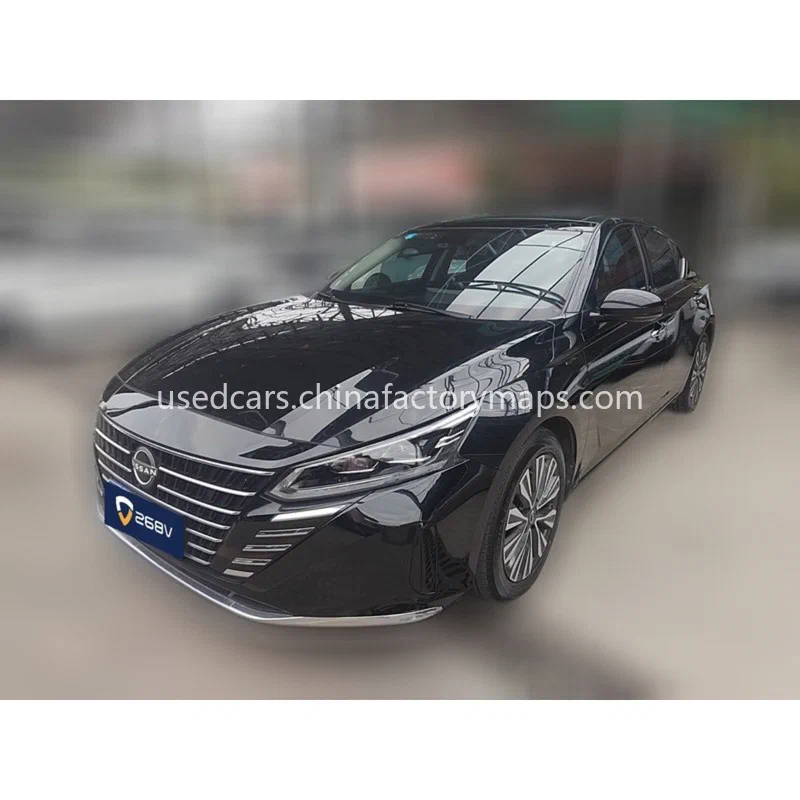
The Toyota Prius is a popular choice for buyers seeking an efficient, reliable vehicle. When buying a used Prius, it is essential to consider several key differences in options available, particularly regarding powertrains, emissions standards, drive configurations, and parts availability. These factors can significantly influence the vehicle’s performance and compliance with destination market regulations.
Powertrain Options
The Toyota Prius typically features a hybrid powertrain combining a gasoline engine with an electric motor. Depending on the model year, buyers may encounter different configurations, including the standard hybrid system and the plug-in hybrid variant, known as the Prius Prime. The standard hybrid offers excellent fuel efficiency, while the plug-in version allows for limited electric-only driving, which can be advantageous for urban use. When considering a used Prius, it is important to evaluate the powertrain type based on the intended use and local charging infrastructure.

Emission Standards
Emission standards vary by region and can impact the ability to import a used Prius into certain markets. Different model years of the Prius may comply with various emissions regulations, such as Euro 6 or U.S. EPA standards. Buyers should verify that the vehicle meets the requirements of the destination market, ensuring compliance and minimizing the risk of penalties. As regulations can change, confirming the current rules for emissions standards is essential.
Drive Side Considerations

Most Toyota Prius models are designed with a left-hand drive configuration, which is suitable for many international markets. However, buyers should verify the drive configuration before purchase, especially if considering a vehicle for countries that primarily utilize right-hand drive. This detail is crucial for ensuring safe and legal operation upon arrival in the destination country.
Parts Availability
When buying a used Prius, parts availability is another critical factor to consider. Toyota’s extensive global presence generally ensures that spare parts for the Prius are widely available. However, the model year and specific variant can impact the ease of sourcing parts. Buyers should research local availability and consider the potential costs and time required for maintenance and repairs based on the specific Prius version being considered.

Charging Standards for EVs
For those interested in the Prius Prime, understanding charging standards is essential. The Prius Prime uses a standard Level 1 charging system compatible with most home outlets, while Level 2 charging stations can significantly reduce charging times. Buyers should assess the local charging infrastructure and compatibility with the vehicle’s charging system to ensure convenience and accessibility for future use.
Trade-offs in the Buying Process
Each of these considerations comes with trade-offs that can affect the overall ownership experience. For example, while a newer model may offer better fuel efficiency and compliance with stricter emissions standards, it may also come at a higher purchase price. Conversely, an older model may be more affordable but could require more frequent maintenance or repairs. Buyers need to weigh these factors against their budget, intended usage, and long-term ownership plans.
FAQ
Q: What should I check before buying a used Toyota Prius?
A: Buyers should verify the vehicle’s history, including service records, previous accidents, and battery health. A thorough inspection is recommended.
Q: How can I ensure the Prius meets local emissions standards?
A: Research the specific emissions requirements for your destination market and verify that the vehicle’s model year complies with those standards.
Q: Is it worth buying a used Prius Prime?
A: The Prius Prime can be a good option for those who can take advantage of its plug-in capabilities, especially if local charging infrastructure supports it.
Related Articles
Featured Exporters
Verified premium exporters on our map.
 JH Auto Group
Guangzhou, Guangdong
Nearest port: Guangzhou Port · 24 km
At jh-usedcar.com, we’re more than just a seller; we’re your partner in finding exceptional value. We combine …
 Guangzhou JH auto co,ltd
Guangzhou, Guangdong
Nearest port: Guangzhou Port · 23 km
Guangzhou JH Auto Co., Ltd (JH Auto) buys used, left-hand-drive Chinese cars in China, inspects and documents …