Key Questions to Consider for a 7-Seater 2nd Hand Car
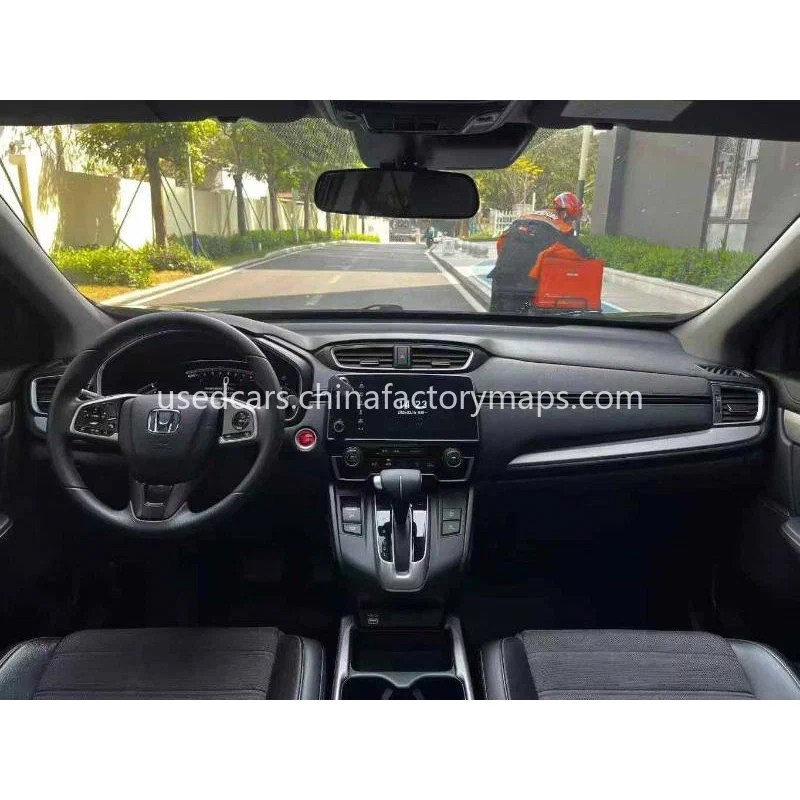
When sourcing a 7-seater 2nd hand car from exporters in China, overseas buyers need to navigate a range of considerations to ensure their purchase meets both their needs and import regulations. This guide outlines key questions to ask and checks to perform when evaluating vehicle options and selecting a reliable exporter. By focusing on these factors, buyers can mitigate risks and make informed decisions.
Essential Vehicle Checks
A thorough inspection of the vehicle is crucial when buying a 7-seater 2nd hand car. Start with mileage verification to confirm the odometer reading aligns with the vehicle’s age and condition. Request a detailed service history to understand past maintenance and any recurring issues. Examine condition grading reports, usually provided by exporters, which assess the cosmetic and mechanical state of the vehicle. Additionally, perform a VIN check to validate the vehicle’s identity, confirm it has not been reported stolen, and ensure there are no undisclosed accidents or legal encumbrances. Buyers sourcing used electric vehicles should also inquire about the battery’s state of health to evaluate its remaining lifespan.

Exporter Credentials and Documentation
Chinese exporters must hold a vehicle export licence and operate within designated export pilot cities like Guangzhou, Wuhan, or Chongqing. Verify whether the exporter is directly licensed or merely acting as a broker, as brokers may add costs and complicate communication. Ask about the exporter’s processes for customs clearance, export declaration, and pre-shipment inspection, as these are mandatory steps. Ensure the exporter provides essential shipping documents, including the bill of lading and certificate of origin, and inquire whether these are included in the quoted price. A history of successful shipments from key ports like Shanghai or Qingdao can be a positive indicator of the exporter’s reliability.

Shipping and Handling Considerations
When it comes to transportation, buyers must decide between RoRo shipping and container shipping. RoRo is often cost-effective but may expose vehicles to environmental elements during transit; container shipping offers greater protection but at a higher cost. Buyers should confirm the proximity of the exporter to major ports such as Ningbo-Zhoushan or Shenzhen, as this can affect shipping time and cost. Ask about transit time estimates to your destination and whether marine insurance is available to cover potential damages during shipping. If sourcing multiple vehicles, discuss bulk purchase terms and how they may impact logistics and pricing.
Common Pitfalls and Risk Mitigation

Problems such as hidden mechanical issues, inaccurate mileage, or incomplete export documentation are common risks in the used vehicle trade. To minimize these, buyers should request a comprehensive vehicle inspection report from the exporter or arrange an independent pre-purchase inspection. Be wary of exporters offering guarantees that seem overly optimistic, as no directory or exporter can fully guarantee a vehicle’s condition. Always confirm the latest import rules for the destination country, such as restrictions on vehicle age, emission standards, and drive side compatibility. For used EVs, ensure compliance with local charging standards and battery transport regulations.
FAQ
Q: What documents are required for exporting a 7-seater car from China? A: Exporters should provide an export declaration, customs clearance documents, bill of lading, and certificate of origin.
Q: How can I verify the condition of a 7-seater 2nd hand car? A: Request a condition grading report, service history, and mileage verification. A pre-purchase inspection adds further assurance.
Related Articles
Featured Exporters
Verified premium exporters on our map.
-
 Guangzhou JH auto co,ltd
Guangzhou, Guangdong
Nearest port: Guangzhou Port · 23 km
Guangzhou JH Auto Co., Ltd (JH Auto) buys used, left-hand-drive Chinese cars in China, inspects and documents …
Guangzhou JH auto co,ltd
Guangzhou, Guangdong
Nearest port: Guangzhou Port · 23 km
Guangzhou JH Auto Co., Ltd (JH Auto) buys used, left-hand-drive Chinese cars in China, inspects and documents …
-
 JH Auto Group
Guangzhou, Guangdong
Nearest port: Guangzhou Port · 24 km
At jh-usedcar.com, we’re more than just a seller; we’re your partner in finding exceptional value. We combine …
JH Auto Group
Guangzhou, Guangdong
Nearest port: Guangzhou Port · 24 km
At jh-usedcar.com, we’re more than just a seller; we’re your partner in finding exceptional value. We combine …