
Lexus IS 500 F Sport: Comparing Drivetrain and Fuel Options
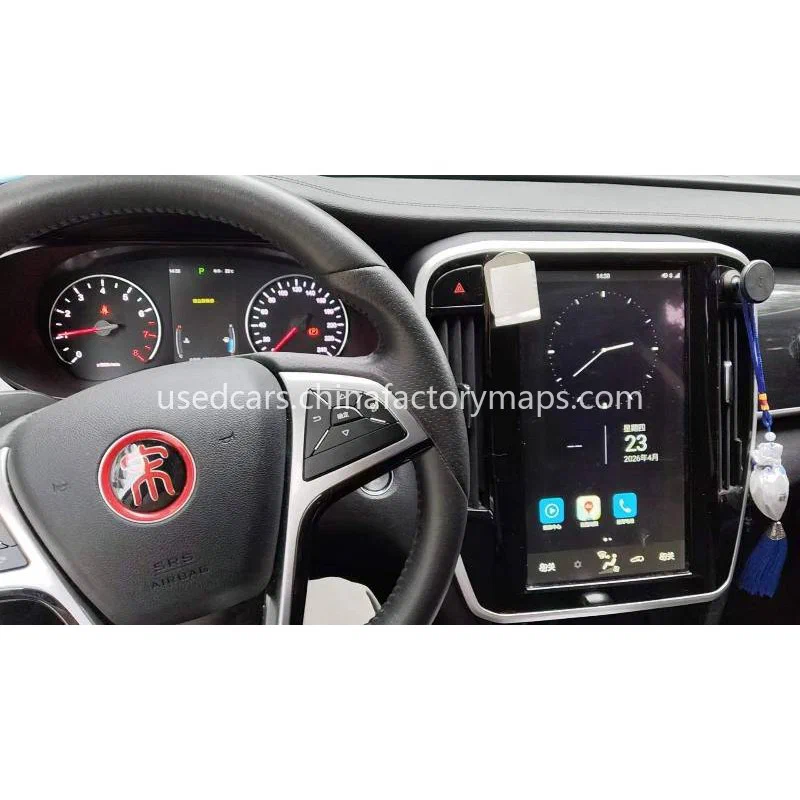
The Lexus IS 500 F Sport is a rear-wheel-drive performance sedan built around a naturally aspirated V8, so its export suitability depends on more than purchase price or mileage. Buyers comparing a used lexus is500 f sport for sale should focus on engine specification, fuel requirements, emissions compliance, steering configuration and the availability of maintenance parts in the destination market.
Powertrain and fuel considerations
The IS 500 F Sport uses a 5.0-litre naturally aspirated V8 petrol engine paired with an automatic transmission and rear-wheel drive. It prioritises engine response and performance rather than fuel economy. This makes it a specialist choice for buyers serving premium sports sedan demand, but fuel consumption and running costs can limit its appeal in markets where petrol is expensive or high-displacement vehicles face additional taxes.
The distinction between engine variants matters when comparing the IS 500 with other IS models. The IS 350, for example, uses a smaller V6, while hybrid Lexus sedans follow a different operating pattern. These alternatives are not equivalent substitutes for a buyer specifically seeking the V8’s performance characteristics. Before sourcing, verify the vehicle identification number, engine code, transmission specification and original market designation. Registration documents and physical inspection should agree with the advertised configuration.
Emissions, steering and destination-market fit
Emissions compliance can determine whether a particular vehicle is importable at all. A model’s original certification does not automatically establish compliance in another country. Buyers should confirm the destination’s current rules for used-vehicle age, applicable emission standards, testing procedures and registration eligibility before committing to a purchase. Requirements can change, and some markets apply additional restrictions to high-displacement petrol vehicles.
Steering configuration presents a separate constraint. The IS 500 F Sport is generally associated with left-hand-drive markets, and most vehicles supplied for China’s domestic market are left-hand drive. This suits destinations that register left-hand-drive cars, subject to local approval. Markets that require right-hand-drive vehicles may exclude the model or impose restrictions that make sourcing impractical. Confirm steering position from photographs and the physical vehicle rather than relying solely on a listing description.
Parts support, inspection and export logistics
Parts availability affects the ownership calculation after import. The IS 500’s V8-specific components may be less accessible than service items shared with more common Lexus models. Buyers should check local access to engine components, transmission parts, suspension parts and electronic diagnostic support. Confirming parts compatibility by VIN is important because similar-looking Lexus models may use different assemblies. Routine service items may be easier to obtain than model-specific performance components.

A pre-purchase inspection should cover cold starting, engine noise, fluid leaks, transmission behaviour, cooling-system operation, suspension condition and diagnostic fault codes. Request service records and verify mileage against available documentation, inspection evidence and vehicle history records. Inspect bodywork for previous repairs and check whether warning lights have been cleared without resolving the underlying fault. None of these checks guarantees future reliability, but they reduce uncertainty before payment and shipment.
China’s used-vehicle export process adds another layer of verification. Exports must pass through designated pilot arrangements and meet applicable export licensing, customs declaration and pre-shipment inspection requirements. The selected exporter should be able to explain which documents it handles and which remain the buyer’s responsibility. The vehicle may ship by roll-on/roll-off vessel or in a container, depending on the shipping arrangement and destination. Buyers should compare the total logistics cost, not just the vehicle’s inland distance from a port.

The directory maps exporters across Guangdong, Hubei, Chongqing, Jiangsu, Henan, Sichuan, Beijing, Hunan and Shandong. Its geographic filters help buyers compare supplier locations and proximity to covered ports, including Shanghai Port, Ningbo-Zhoushan Port, Shenzhen Port and Guangzhou Port. A nearby exporter may reduce inland transport requirements, but distance alone does not establish export eligibility or vehicle condition. Confirm the exporter’s licensing arrangements, inspection process, vehicle documentation and proposed port of loading before proceeding.
FAQ
Q: Is the Lexus IS 500 F Sport suitable for every export market?
A: No. Import eligibility depends on current destination rules covering emissions, vehicle age, steering position and registration approval.
Q: Is the IS 500 more economical than other Lexus IS models?
A: Its V8 engine generally consumes more fuel than smaller-engine alternatives. Actual consumption depends on driving conditions, vehicle condition and maintenance.
Q: What should buyers verify before exporting a used IS 500 F Sport?
A: Confirm the VIN, engine specification, mileage evidence, service history, emissions eligibility and steering position. Also verify export documentation, inspection arrangements and the shipping plan.
Featured Exporters
Verified premium exporters on our map.
 JH Auto Group
Guangzhou, Guangdong
Nearest port: Guangzhou Port · 24 km
At jh-usedcar.com, we’re more than just a seller; we’re your partner in finding exceptional value. We combine …
 Guangzhou JH auto co,ltd
Guangzhou, Guangdong
Nearest port: Guangzhou Port · 23 km
Guangzhou JH Auto Co., Ltd (JH Auto) buys used, left-hand-drive Chinese cars in China, inspects and documents …