
Nissan Used-Car Exports Shift as China's Trade Network Expands
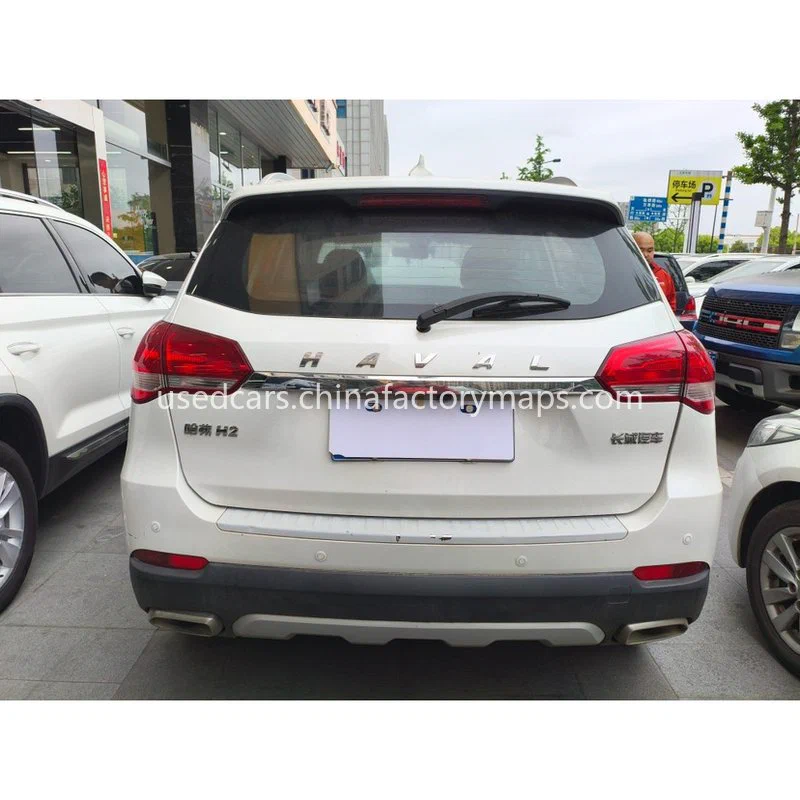
China’s used vehicle export network is spreading beyond a small set of established routes, changing how overseas buyers compare Nissan stock and plan shipment. This article looks at the trade shifts behind that expansion and the checks buyers need to make before sourcing.
Nissan sourcing now sits within a broader export market that includes sedans, SUVs, MPVs, commercial vehicles and new energy vehicles. Buyers searching for cars for sale used nissan may find that the vehicle’s location matters as much as its model: exporter clusters are mapped across Guangdong, Hubei, Chongqing, Jiangsu, Henan, Sichuan, Beijing, Hunan and Shandong. That spread can widen the choice of suppliers, but it also makes location a practical sourcing variable. A listing in one province may have a different inland transport leg and port option from a similar vehicle elsewhere. Comparing exporters by geography helps narrow the search before requesting vehicle records or a shipping plan.

The network’s geography is tied to designated export pilot cities and the logistics available around them. Guangdong listings include Guangzhou and Foshan, while Hubei includes Wuhan; Chongqing is another mapped cluster. Jiangsu listings include Nanjing and Changzhou, with exporters also mapped in Zhengzhou, Neijiang, Beijing, Zhuzhou and Liaocheng. These locations connect to a wide set of covered ports, including Guangzhou, Shenzhen, Shanghai, Ningbo-Zhoushan, Qingdao and Tianjin. A nearby port can reduce inland movement, but distance alone does not determine the best route. Buyers should compare the proposed port of loading, inland transport arrangements and sailing options with the exporter, then confirm what is included in the shipment quote.
That broader map changes supplier comparison. Instead of treating a city or province as a proxy for quality, buyers can use geography to identify exporters and ask the same questions of each. Request the vehicle identification number, registration and export documentation details, mileage records, service history and current inspection evidence. The documents should correspond to the exact vehicle being offered. Photos and video can help establish visible condition, but they do not replace an independent inspection where practical. Nissan badges and familiar model names are not enough to judge specification: trim, powertrain, equipment and market configuration can differ, including between vehicles with similar names.
Export clearance remains a separate operational step. Used vehicle exports require export licensing, customs declaration and pre-shipment inspection; a buyer should establish which party handles each task and when documents will be available. Vehicles are shipped either by roll-on/roll-off (RoRo) or in containers. The suitable method depends on the vehicle, route, handling plan and buyer’s cargo requirements. Before funds are committed, align the vehicle identity and condition record with the sales and shipping documents, confirm the named port of loading, and agree how any discrepancy will be handled. The directory helps locate exporters by place; it does not itself verify inventory or complete transactions.

Destination compliance is another reason not to assume that a familiar Nissan model will be importable. Import rules differ by country and may address vehicle age, emissions, roadworthiness and steering position. Most vehicles built for China’s domestic market are left-hand drive, which rules out markets that accept only right-hand-drive vehicles. Requirements can change, so buyers should verify the current rules with their destination authorities or a qualified local customs professional before selecting a vehicle. A supplier’s ability to export from China does not establish that the destination will admit the vehicle or that it can be registered there.

The expansion also brings more variation in vehicle type. Buyers comparing combustion Nissan models with hybrid or fully electric vehicles need different evidence: an EV requires battery state-of-health information and a shipment plan that accounts for battery transport requirements. For any vehicle, condition, mileage and history should be treated as matters to verify, not promises inferred from a listing. The map can help shortlist exporters by proximity to covered ports such as Xiamen, Taicang, Beibu Gulf, Rizhao, Lianyungang and Yingkou, as well as the larger gateways. A disciplined comparison pairs that location data with documentary checks, destination-rule confirmation and a clear shipping arrangement.
FAQ
Q: Does the directory sell Nissan vehicles? A: No. It maps used vehicle exporters in China; buyers contact exporters directly to discuss available vehicles and terms.
Q: What should buyers verify before sourcing a used Nissan? A: Match the VIN and vehicle documents, review mileage and service records, and arrange an inspection where practical. Confirm destination import rules before committing.
Q: How are used vehicles shipped from China? A: Vehicles ship by RoRo or in containers after export licensing, customs declaration and pre-shipment inspection. The exporter and buyer should confirm the loading port and shipping arrangements.
Related Articles
Featured Exporters
Verified premium exporters on our map.
 JH Auto Group
Guangzhou, Guangdong
Nearest port: Guangzhou Port · 24 km
At jh-usedcar.com, we’re more than just a seller; we’re your partner in finding exceptional value. We combine …
 Guangzhou JH auto co,ltd
Guangzhou, Guangdong
Nearest port: Guangzhou Port · 23 km
Guangzhou JH Auto Co., Ltd (JH Auto) buys used, left-hand-drive Chinese cars in China, inspects and documents …