Pricing Impacts of Drivetrain and Emission Standards in Used Cars
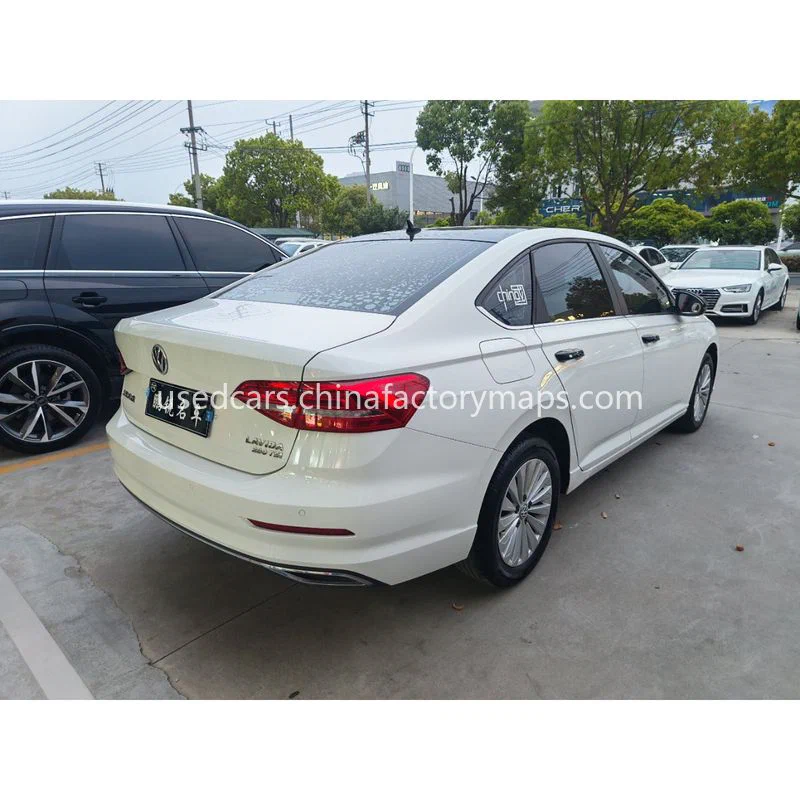
When exporting used cars from China, the drivetrain and emission standards of the vehicle play a key role in determining both its suitability for specific markets and its pricing. These technical aspects influence everything from roadworthiness compliance to maintenance costs, shaping the framework for used car price negotiation. Buyers should carefully evaluate these factors to make informed decisions based on their target markets and operational needs.
Drivetrain options—combustion, hybrid, and electric—each come with distinct trade-offs. Internal combustion engine (ICE) vehicles remain the most common choice, offering widespread compatibility with available fuel types and ease of maintenance, especially in regions with limited EV infrastructure. However, emission standards for ICE vehicles can be a major hurdle. Countries with strict environmental regulations often impose specific limits on nitrogen oxide (NOx) or particulate matter emissions. Exporters must verify whether the vehicle’s emission standard aligns with the destination market, as non-compliance can lead to rejection at customs or costly retrofits.
Hybrid vehicles can address some of the environmental concerns tied to ICE models, offering improved fuel efficiency and lower emissions. Yet, they come with higher upfront costs and require access to both conventional fuel and charging infrastructure, which may not be equally available in all destinations. The trade-off between operational savings and initial investment makes hybrids a practical choice for markets transitioning to greener policies but still reliant on traditional fuels.
Electric vehicles (EVs) are increasingly popular for markets with established charging networks and government incentives for clean energy adoption. However, EV exports raise additional considerations, such as battery state-of-health (SOH) and compatibility with local charging standards. Batteries with diminished SOH may need replacement sooner, adding to upkeep costs. Moreover, differing charging systems—such as CCS, CHAdeMO, or GB/T—can limit usability in markets with incompatible standards. Confirming these details prior to shipment is crucial to avoid operational bottlenecks.
Drive-side configuration is equally pivotal, as markets are split between left-hand drive (LHD) and right-hand drive (RHD) systems. Most Chinese vehicles are manufactured as LHD, making them unsuitable for RHD-only markets unless converted. Conversions come with additional costs and may affect vehicle safety or compliance. Buyers must weigh the feasibility of sourcing LHD vehicles for markets where both configurations are used, such as certain African or Middle Eastern countries.
Parts availability is another key factor influencing both immediate and long-term costs. Vehicles with widely available parts and established support networks are easier to maintain and repair, reducing downtime. Conversely, rare or regionally unavailable models may necessitate importing parts, which can be time-consuming and expensive. This is particularly relevant for less common hybrid or electric models, as their specialized components may not be readily available in all markets.

For buyers considering used electric vehicles, battery transport limitations must also be factored in. International shipping regulations classify EV batteries as hazardous materials, which can complicate logistics. RoRo shipping may be viable for EVs with secured batteries, while container shipping could be required for additional safety measures. These factors can increase shipping costs and transit times, which should be accounted for during negotiations.

Finally, buyers should confirm all vehicle documentation, including the emission compliance certificates, import regulations, and inspection reports. Pre-shipment inspections can identify issues that might prevent registration in the destination market. Ensuring that the vehicle meets roadworthiness and emission standards avoids potential delays and penalties during customs clearance.
FAQ
Q: Can a vehicle’s emission standard be upgraded for compliance with stricter regulations? A: Yes, but it often requires significant modifications or retrofits, which can be costly. Confirm the destination market’s rules before purchasing.
Q: How can I verify battery health when buying a used EV? A: Request a certified battery state-of-health report from the exporter or an independent inspection agency to assess its remaining lifespan.
Related Articles
Featured Exporters
Verified premium exporters on our map.
-
 Guangzhou JH auto co,ltd
Guangzhou, Guangdong
Nearest port: Guangzhou Port · 23 km
Guangzhou JH Auto Co., Ltd (JH Auto) buys used, left-hand-drive Chinese cars in China, inspects and documents …
Guangzhou JH auto co,ltd
Guangzhou, Guangdong
Nearest port: Guangzhou Port · 23 km
Guangzhou JH Auto Co., Ltd (JH Auto) buys used, left-hand-drive Chinese cars in China, inspects and documents …
-
 JH Auto Group
Guangzhou, Guangdong
Nearest port: Guangzhou Port · 24 km
At jh-usedcar.com, we’re more than just a seller; we’re your partner in finding exceptional value. We combine …
JH Auto Group
Guangzhou, Guangdong
Nearest port: Guangzhou Port · 24 km
At jh-usedcar.com, we’re more than just a seller; we’re your partner in finding exceptional value. We combine …