Shifting Trends in China’s Used Vehicle Export Market
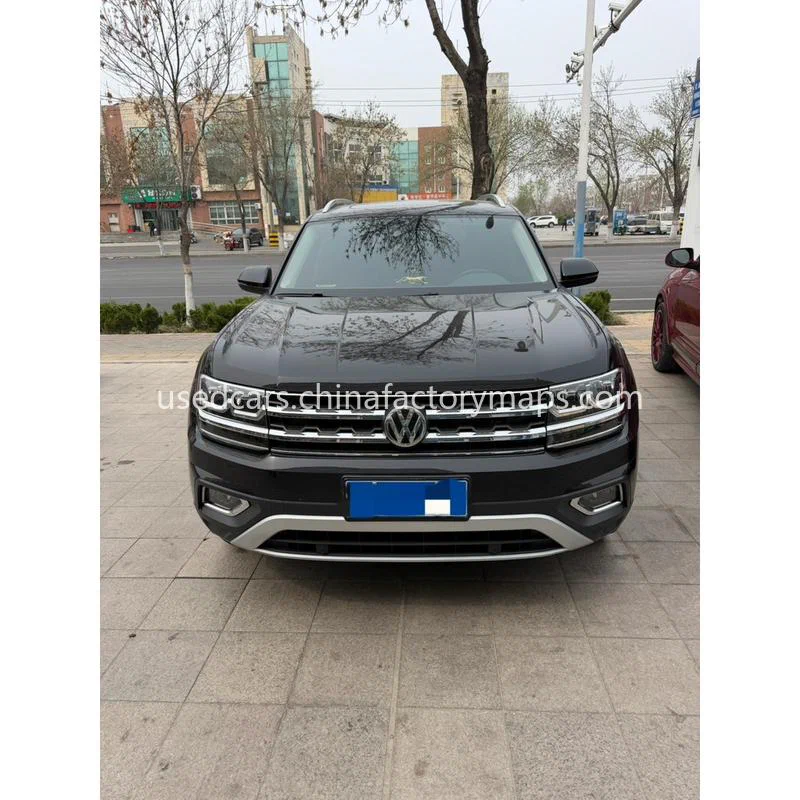
China’s used vehicle export market is undergoing notable shifts that are reshaping the dynamics for overseas buyers. These changes reflect broader trends in demand, regulatory adjustments, and the evolving logistics of exporting vehicles from key regions. Buyers looking to source used sedans, SUVs, or new energy vehicles from China must stay informed about these developments to adapt their purchasing strategies effectively.
Regional Concentration and Export Hubs
One noticeable trend is the concentration of exporters in specific provinces and cities, particularly those close to major ports. Guangdong, Hubei, Chongqing, and Jiangsu have emerged as significant clusters, with exporters benefiting from their proximity to ports like Shenzhen, Guangzhou, and Shanghai. For buyers, working with exporters near these hubs can reduce inland transit costs and streamline shipping logistics. However, regions like Sichuan and Henan, though less central, may offer competitive pricing to attract buyers willing to manage longer transit times to ports.

Increasing Importance of Export Compliance
As China’s government formalizes its used vehicle export sector, adherence to export compliance, including licensing and pre-shipment inspections, has become critical. Exporters in pilot cities like Guangzhou and Wuhan are now more likely to have established processes for customs declarations and vehicle inspection reports. This ensures smoother transactions but also places a greater responsibility on buyers to verify documentation such as VIN checks and mileage verification. Selecting exporters with a proven track record in compliance can mitigate risks at the destination country.
Expanding Market for New Energy Vehicles

The rising global interest in electric vehicles (EVs) is mirrored in China’s export market. Used EVs, including brands like BYD and NIO, are gaining traction among buyers in regions with supportive charging infrastructure, such as parts of Southeast Asia and Europe. However, sourcing used EVs comes with unique considerations like battery state-of-health assessments and transport regulations for lithium-ion batteries. Buyers need to ensure that the exporter provides detailed battery reports and complies with international shipping standards for hazardous materials.
Destination-Specific Challenges
Different markets impose varying import requirements, such as vehicle age caps, emission standards, and drive side compatibility. For example, countries in Africa and Central Asia generally accept older vehicles, while stricter emission standards apply in parts of Europe and the Middle East. Most Chinese vehicles are left-hand drive, limiting their suitability for right-hand-drive markets like the UK or Australia. Buyers must confirm the latest regulations in their target market and communicate these needs clearly to exporters.
Shift in Shipping Preferences
Shipping methods are also evolving, with a growing emphasis on efficiency and cost reduction. Roll-on/roll-off (RoRo) shipping remains a popular choice for high-volume exports of used sedans and SUVs due to its lower cost per vehicle. However, container shipping is increasingly preferred for higher-value vehicles or mixed loads that require added protection. Buyers negotiating logistics should weigh the cost differential against the specific requirements of their shipments, including transit times and the condition of the vehicles on arrival.
Demand for Quality Verification and After-Sales Support
As competition among exporters intensifies, quality verification is becoming a critical differentiator. Exporters offering detailed service histories, accident-free guarantees, and vehicle condition grades are better positioned to attract repeat buyers. While after-sales support remains limited in the context of international trade, some exporters are beginning to provide spare parts availability or technical support agreements. Buyers should prioritize exporters willing to offer transparent condition reports and support options tailored to their needs.
FAQ
Q: What are the main regions in China for sourcing used vehicles? A: Key regions include Guangdong, Hubei, Chongqing, and Jiangsu, all of which are near major export ports like Shenzhen, Guangzhou, and Shanghai.
Q: What should buyers verify when purchasing used EVs from China? A: Buyers should check the battery state-of-health report, compliance with shipping regulations for lithium-ion batteries, and the vehicle’s charging standard.
Q: What shipping methods are commonly used for China’s used vehicle exports? A: Roll-on/roll-off (RoRo) shipping is common for bulk exports, while container shipping is preferred for high-value or mixed loads.
Related Articles
-
 A good second hand car from China can provide reliable transportation at a competitive export price
-
 Cheap used cars from China offer international buyers affordable transportation with a wide range of vehicle choices
-
 The cheapest preowned cars from China provide budget focused international buyers with affordable vehicle sourcing options
Featured Exporters
Verified premium exporters on our map.
-
 Guangzhou JH auto co,ltd
Guangzhou, Guangdong
Nearest port: Guangzhou Port · 23 km
Guangzhou JH Auto Co., Ltd (JH Auto) buys used, left-hand-drive Chinese cars in China, inspects and documents …
Guangzhou JH auto co,ltd
Guangzhou, Guangdong
Nearest port: Guangzhou Port · 23 km
Guangzhou JH Auto Co., Ltd (JH Auto) buys used, left-hand-drive Chinese cars in China, inspects and documents …
-
 JH Auto Group
Guangzhou, Guangdong
Nearest port: Guangzhou Port · 24 km
At jh-usedcar.com, we’re more than just a seller; we’re your partner in finding exceptional value. We combine …
JH Auto Group
Guangzhou, Guangdong
Nearest port: Guangzhou Port · 24 km
At jh-usedcar.com, we’re more than just a seller; we’re your partner in finding exceptional value. We combine …