
Shipping a Used Mercedes from China: Routes, Ports and Transit
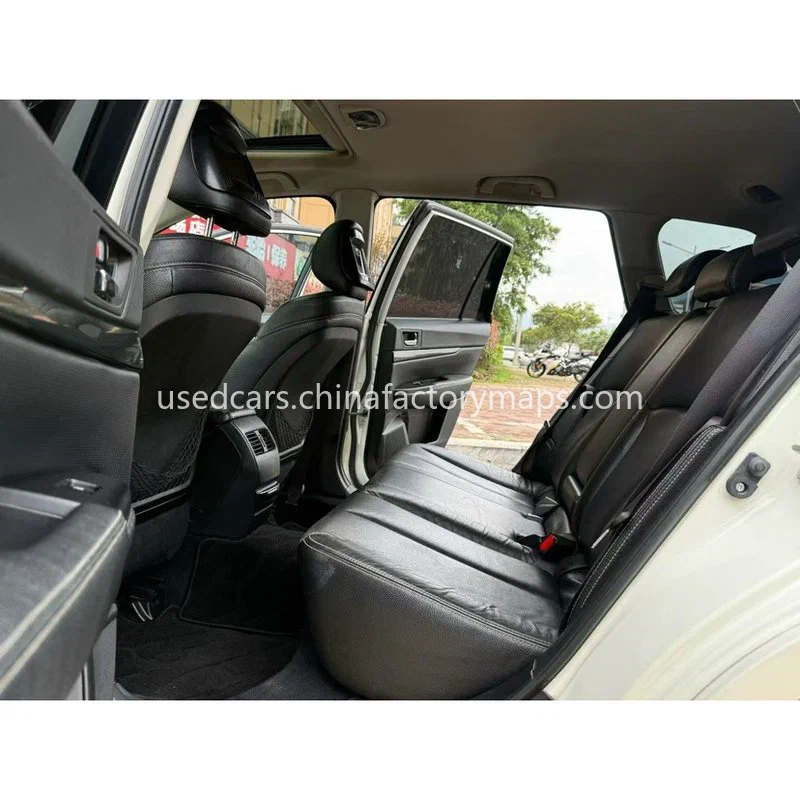
Shipping a used Mercedes from China involves more than selecting a vehicle and booking ocean freight. The export route, port of loading and choice between roll-on/roll-off (RoRo) and container shipping affect handling, scheduling and the condition in which the vehicle arrives. For overseas buyers, comparing exporters by their geographic position can help identify a practical shipping route before a purchase is agreed.
1. Start with the exporter’s location, not just the vehicle listing
China’s used vehicle export network is distributed across several regions. The location of an exporter determines how a vehicle reaches an export terminal, which ports are practical and how much inland transport is involved before the ocean shipment begins. A Mercedes sourced in Guangdong, for example, may have a different port-routing profile from one purchased through an exporter in Hubei or Jiangsu.
The chinafactorymaps.com directory plots used car exporters geographically, allowing buyers to compare listed businesses by province and proximity to major export ports. Its mapped clusters include Guangdong, with exporters in Guangzhou and Foshan; Hubei, including Wuhan; Chongqing; Jiangsu, including Nanjing and Changzhou; and Henan, including Zhengzhou. Additional mapped locations include Neijiang, Beijing, Zhuzhou and Liaocheng.
This geographic distinction matters because inland movement adds another stage to the export process. The vehicle must be transported from the exporter’s premises or storage facility to the designated port. That involves scheduling, loading arrangements and additional handling. A distant port may still be commercially appropriate, but the buyer should understand why that route has been selected and whether the extra inland movement is reflected in the freight quotation.
For a mercedes used car purchase, the exporter’s location should therefore be considered alongside vehicle specifications and documentation. A lower vehicle quotation does not necessarily produce a lower delivered cost if the selected shipping route requires substantial domestic transport.
2. Match sourcing regions with practical export ports
Guangdong exporters in Guangzhou and Foshan can be assessed against Shenzhen Port and Guangzhou Port. Both are relevant coastal gateways for buyers sourcing vehicles in southern China. The actual choice depends on the exporter’s operating arrangements, terminal acceptance, vessel schedules and the shipping service selected.
For vehicles sourced through Wuhan, Hubei, the buyer should compare the inland transport arrangements with available routes to Shanghai Port, Ningbo-Zhoushan Port and other suitable coastal gateways. The distance to a port is only one part of the calculation. Road transport availability, export processing arrangements and the ability to coordinate vehicle delivery with a vessel’s receiving window also affect the route.
Jiangsu exporters in Nanjing and Changzhou have a different geographic relationship with Shanghai Port, Ningbo-Zhoushan Port and Taicang Port. These ports provide useful comparison points when assessing a vehicle’s movement from the sourcing location to the coast. A buyer should request the proposed port of loading rather than assume that an exporter will automatically use the nearest port.
Other mapped regions also require route-specific assessment. Chongqing and Sichuan exporters may need more extensive inland arrangements before reaching a coastal shipping gateway. Henan exporters around Zhengzhou can be evaluated against available transport connections and suitable ports, while exporters in Beijing, Hunan and Shandong can be compared with Tianjin Port, Guangzhou Port and Qingdao Port respectively where operationally appropriate.

The directory also covers Xiamen Port, Beibu Gulf Port, Rizhao Port, Lianyungang Port and Yingkou Port. Their inclusion gives buyers a broader set of geographic reference points. It does not mean every port accepts every vehicle or offers the same service. Port selection must be confirmed with the exporter and freight forwarder.
3. RoRo or container shipping: the practical differences
RoRo shipping allows a vehicle to be driven onto and off a vessel using designated vehicle ramps. It is a common option for complete vehicles when the relevant sailing accepts the vehicle type and the terminal has suitable handling capacity. For a Mercedes sedan or SUV, this method can avoid some of the lifting and securing operations associated with container loading.
However, RoRo availability depends on vessel schedules, route coverage, terminal arrangements and booking acceptance. Buyers should establish whether the proposed sailing has confirmed vehicle space and whether the receiving terminal can handle the particular vehicle dimensions. A port’s general cargo capacity does not establish that a suitable RoRo service is available for a specific shipment.
Container shipping provides a different arrangement. The vehicle is placed inside a container and secured for ocean transport. This can be useful when a suitable RoRo sailing is unavailable or when the buyer prefers a container-based shipment. Yet loading requires careful attention to vehicle dimensions, clearance, securing points and the loading equipment available at the export facility.
The number of vehicles that fit into a container depends on the container type and the dimensions of the cars. A compact sedan may permit a different loading arrangement from a large luxury SUV. Buyers should request a proposed loading plan rather than rely on a general claim about container capacity.
Damage risk also deserves attention. RoRo vehicles are exposed to multiple handling stages, including driving and terminal movements. Container shipments introduce risks from inadequate securing, movement during transit and contact with loading equipment. Neither method guarantees damage-free delivery. Photographs before loading, an inspection record and a clear handover procedure provide useful evidence if a condition dispute arises.
4. Port capacity, documentation and final shipment checks
Port proximity should be assessed alongside actual terminal capability. A nearby port may offer convenient inland transport but lack a suitable vehicle receiving arrangement for the intended shipment. Conversely, a more distant port may provide a better sailing schedule or a more appropriate vehicle handling service.
The exporter should identify the proposed terminal, port of loading, shipping method and expected booking arrangements before the buyer commits to the transaction. A freight quotation should distinguish domestic vehicle transport from port handling and ocean freight. It should also clarify which charges are included and which may arise separately during export processing or destination clearance.
China’s used vehicle exports operate through designated export pilot cities. Exporters must follow the applicable licensing process, customs declaration requirements and pre-shipment inspection procedures. Buyers should verify that the exporting party can complete the required procedures for the particular vehicle and shipment. The exporter’s location alone does not establish its authority to export.
Vehicle identification and supporting records also need attention. The buyer should check the VIN against available vehicle documents, review the mileage evidence and request an inspection report. Any claimed service history or accident record should be supported by available documentation. These checks are especially relevant for premium vehicles, where previous repairs or undisclosed damage may affect resale value in the destination market.
The bill of lading should be checked against the agreed shipping details once issued. The vehicle description, shipment arrangement and consignee information should be consistent with the transaction documents. Marine insurance terms also need review. Buyers should establish what risks are covered, when cover begins and whether loading, unloading and inland transportation fall within the policy.
5. Destination requirements and exporter selection
A suitable Chinese export route does not automatically mean the vehicle can enter the destination country. Import requirements differ by market and may cover vehicle age, emissions, roadworthiness, steering position and homologation. These rules can change, so the buyer should confirm current requirements with the relevant customs authority or a qualified local import agent before paying for the vehicle.
Most vehicles manufactured for China’s domestic market are left-hand drive. This makes steering configuration an important early screening factor for buyers targeting markets that require right-hand-drive vehicles. A vehicle’s model name and specification sheet are not enough; the actual steering configuration must be verified.
Electric and plug-in hybrid Mercedes vehicles require additional checks. Battery state of health should be assessed through available diagnostic information rather than inferred from the dashboard range alone. The buyer should also request relevant battery inspection records and establish whether the battery’s condition meets the intended market’s requirements. Battery transport and dangerous-goods handling rules may affect documentation, carrier acceptance and shipping arrangements.

The final exporter comparison should bring these issues together. A useful assessment includes the vehicle’s physical location, distance to the proposed port, confirmed loading method, export processing capability and the availability of supporting inspection records. Buyers can use the geographic directory to narrow the sourcing area, then contact exporters to verify the actual shipment route.
The closest exporter is not automatically the best choice. A slightly longer inland journey may be justified by a more suitable terminal or confirmed sailing. What matters is that the exporter can explain the complete route and provide verifiable details before the transaction proceeds.
FAQ
Q: Is RoRo or container shipping better for a used Mercedes from China?
A: RoRo can reduce container-loading operations when a suitable service is available. Container shipping offers a different handling arrangement, but vehicle dimensions, securing procedures and loading costs should be checked before booking.
Q: Does choosing an exporter near a Chinese port guarantee faster delivery?
A: No. Inland distance is only one factor; terminal capacity, vessel schedules, export documentation and destination clearance also affect transit time.
Related Articles
Featured Exporters
Verified premium exporters on our map.
 Guangzhou JH auto co,ltd
Guangzhou, Guangdong
Nearest port: Guangzhou Port · 23 km
Guangzhou JH Auto Co., Ltd (JH Auto) buys used, left-hand-drive Chinese cars in China, inspects and documents …
 JH Auto Group
Guangzhou, Guangdong
Nearest port: Guangzhou Port · 24 km
At jh-usedcar.com, we’re more than just a seller; we’re your partner in finding exceptional value. We combine …