
Shipping Costs For Used Cars Depend On Export Routes And Ports
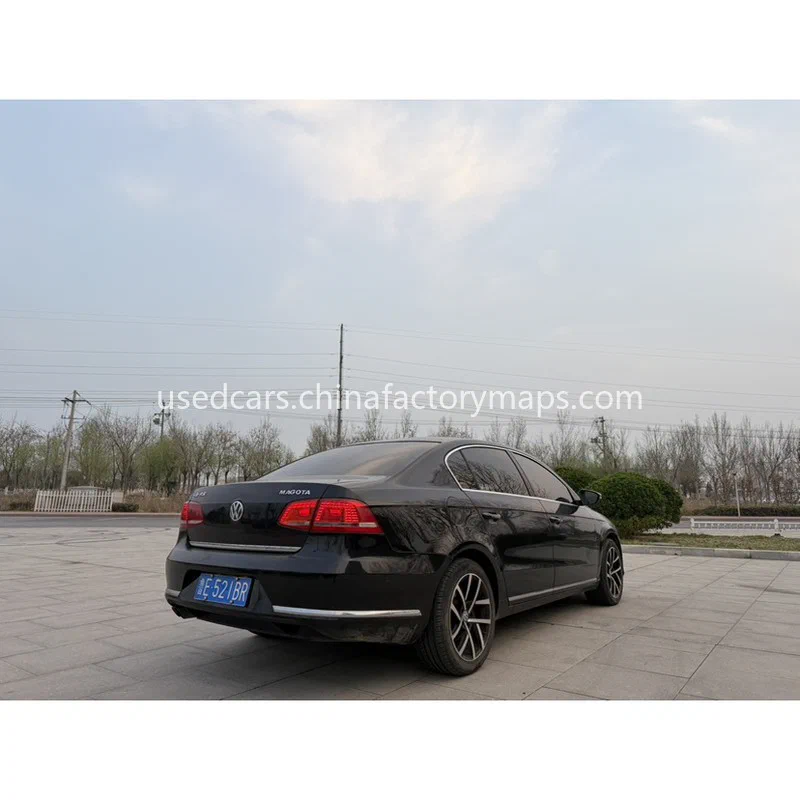
Used car export costs from China are shaped by the route between the exporter, the loading port, and the destination market. This page explains how port selection, loading methods, and regional sourcing locations affect international shipment planning for complete used vehicles.
Export regions and port access
China’s used vehicle exports operate through designated export pilot cities and require export licensing, customs declaration, and pre-shipment inspection before shipment. For buyers comparing exporters, the location of the vehicle source matters because inland transport to a port adds time, handling steps, and possible movement risks.

Exporter clusters mapped in Guangdong, Hubei, Chongqing, Jiangsu, Henan, Sichuan, Beijing, Hunan, and Shandong connect with different port options. Vehicles sourced near Guangzhou or Foshan may have access to Shenzhen Port or Guangzhou Port. Suppliers in Jiangsu can be positioned closer to Shanghai Port, Taicang Port, or Ningbo-Zhoushan Port. Shandong-based sourcing can connect with Qingdao Port or other northern routes.
Port distance is not only a freight calculation. A shorter route can reduce domestic transport handling before export. Buyers should compare exporter location with the intended port of loading and confirm available shipping schedules for the vehicle type being purchased.
RoRo and container loading considerations
Used vehicles are commonly shipped by RoRo or loaded into containers. RoRo services move vehicles through dedicated vehicle terminals, where berth availability and terminal capacity affect scheduling. Container shipping provides different loading options, but the number of vehicles that fit depends on vehicle size, container type, and loading arrangement.
Sedans, SUVs, MPVs, commercial vehicles, and larger vehicles each create different space requirements. A buyer sourcing multiple units may need to compare whether RoRo or container shipping matches the shipment plan. Poor loading choices can increase handling complexity and create additional transit risks.
The average price of a used car in 2025 is only one part of the purchase calculation. Export buyers also need to account for inland transport, port handling, freight, documentation, and destination-side requirements before comparing offers.
EV export routes require extra checks
New energy vehicles introduce additional export considerations. Battery state of health, battery documentation, and transport requirements need verification before shipment. Electric vehicles may require different handling procedures from combustion vehicles, depending on shipping arrangements and destination regulations.
A buyer selecting an exporter near a suitable port should confirm whether the exporter can arrange the required inspection process and shipping preparation. Battery condition should be checked through available records and inspection reports rather than assumed from the vehicle listing.
Matching exporter location with destination needs
Destination markets set their own rules for vehicle age, emission standards, drive side, and roadworthiness. These requirements differ by country and can change over time. Buyers should confirm current import conditions before choosing vehicles and shipping routes.

Most Chinese domestic vehicles are left-hand drive, which limits suitability for markets that require right-hand-drive vehicles. A map-based directory helps buyers compare exporter locations, nearby ports, and possible logistics routes before beginning a transaction.
Practical checks before selecting a route
A sourcing decision should include more than the vehicle listing. Buyers can review:
- exporter distance to the planned port of loading
- availability of RoRo or container shipping options
- inspection and export documentation procedures
- vehicle history, mileage records, and condition reports
- destination import requirements
Ports such as Tianjin Port, Xiamen Port, Beibu Gulf Port, Rizhao Port, Lianyungang Port, and Yingkou Port serve different regional logistics networks. The suitable route depends on vehicle origin, destination market, shipping availability, and handling requirements.
FAQ
Q: Why does the export port matter for used car buyers?
A: The export port affects domestic transport distance, loading options, scheduling, and handling procedures. Choosing a route close to the exporter can simplify logistics planning.
Q: Are EV shipping requirements different from combustion vehicles?
A: Yes. Used EV exports require attention to battery state of health and battery transport considerations that do not apply in the same way to combustion vehicles.
Related Articles
Featured Exporters
Verified premium exporters on our map.
 JH Auto Group
Guangzhou, Guangdong
Nearest port: Guangzhou Port · 24 km
At jh-usedcar.com, we’re more than just a seller; we’re your partner in finding exceptional value. We combine …
 Guangzhou JH auto co,ltd
Guangzhou, Guangdong
Nearest port: Guangzhou Port · 23 km
Guangzhou JH Auto Co., Ltd (JH Auto) buys used, left-hand-drive Chinese cars in China, inspects and documents …