
Shipping Used Cars from China: Choosing Between RoRo and Containers
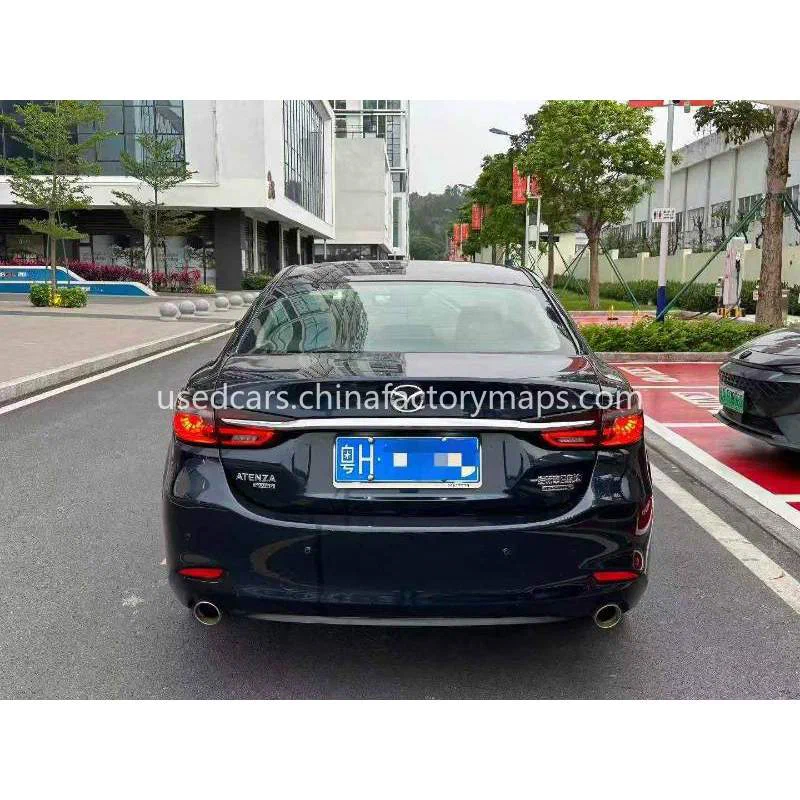
Shipping used cars from China requires decisions about the export port and the method of loading. RoRo (roll-on/roll-off) and container shipping serve different cargo requirements, and the practical choice depends on vehicle type, shipment volume, destination rules and the distance between the exporter and the port of loading. For overseas buyers, comparing exporters by geographic position helps identify the likely logistics route before requesting freight quotations.
How exporter location affects port selection
China’s used vehicle export activity is distributed across several regions. Guangdong has listed exporter clusters in Guangzhou and Foshan, while Hubei has a cluster in Wuhan. Other mapped locations include Chongqing, Nanjing, Changzhou, Zhengzhou, Neijiang, Beijing, Zhuzhou and Liaocheng. These locations have different relationships with China’s coastal and regional port network.
For exporters in Guangdong, Shenzhen Port, Guangzhou Port and other southern shipping gateways are relevant starting points. Exporters in Jiangsu can assess access to Shanghai Port, Taicang Port and Ningbo-Zhoushan Port. Hubei exporters in Wuhan may need inland transport to a coastal loading point, with the final route depending on the freight arrangement. Shandong exporters can examine Qingdao Port and Rizhao Port, while northern sourcing operations may consider Tianjin Port or Yingkou Port.
The nearest port on a map is not automatically the most practical port of loading. Road distance, inland transport arrangements, vehicle handling facilities and available shipping services all affect the route. An exporter located close to a port may still use another gateway if the required vessel service or vehicle terminal capacity is unavailable. Buyers should request the proposed port of loading rather than assume it from the exporter’s registered address.

Port distance also affects the preparation schedule. Complete vehicles must be moved from the exporter’s premises or storage facility to the port, where documentation, customs procedures and pre-shipment inspection requirements must be addressed. Longer inland movements introduce additional handling and transport exposure. The buyer should establish who arranges this movement, where the vehicle is handed over and whether the quoted logistics arrangement includes inland delivery.
RoRo and container shipping: operational differences
RoRo shipping is designed for vehicles that can be driven or moved onto a vessel using their own wheels or suitable handling equipment. Vehicles are secured in designated deck spaces during the voyage and discharged at the destination through vehicle handling facilities. For shipments involving several complete vehicles, RoRo can be a practical option when the departure port offers an appropriate service and sufficient vehicle capacity.
Its main limitation is dependence on vessel schedules, terminal arrangements and the availability of suitable RoRo services. Not every export port offers the same routes or departure frequency. Buyers should confirm whether the proposed vessel accepts the relevant vehicle category, whether the destination port can handle the shipment and how vehicles are secured during the voyage. The condition of each vehicle should be recorded before port handover, with photographs and an inspection report providing a reference for any subsequent damage assessment.
Container shipping provides a different arrangement. A vehicle is loaded into a container and secured using appropriate restraints and blocking materials. Depending on the vehicle’s dimensions and the container configuration, more than one vehicle may fit, but capacity is not universal. Sedans, SUVs, MPVs and commercial vehicles have different footprints and loading requirements. A larger SUV or van can reduce the number of units that fit, while loading multiple vehicles requires a suitable plan for access, positioning and unloading.
Container transport offers enclosed cargo space, but it does not eliminate handling risks. Incorrect securing, insufficient clearance, poor weight distribution and movement during transit can damage vehicles. Buyers should ask for the proposed loading configuration, the number of vehicles per container and evidence of the securing procedure. For individual shipments, the additional container space may be commercially justified when the vehicle requires separate handling or when a suitable RoRo service is unavailable.
The choice between these methods should be assessed against the entire route, not simply the ocean freight quotation. Inland collection, terminal handling, loading labour, documentation, insurance and destination unloading can change the total landed cost. A lower quoted ocean freight rate may not represent a lower overall shipping expense.
Matching the shipping method to the vehicle and destination

Vehicle category influences the loading decision. Sedans generally present fewer dimensional challenges than large SUVs, MPVs or commercial vehicles. Commercial vehicles may require additional checks on dimensions, weight and loading equipment. Buyers sourcing several vehicle types should avoid assuming that one loading plan will suit the entire order.
New energy vehicles introduce additional considerations. Used electric vehicles require attention to battery state of health, recorded battery condition and transport documentation. Battery condition should be checked independently rather than inferred from the vehicle’s displayed driving range. The shipping operator must also confirm the applicable battery transport classification, documentation and acceptance requirements before the booking is finalized. These requirements can affect whether a particular shipment is accepted under a proposed container or RoRo arrangement.
Destination regulations matter just as much. Import authorities may impose restrictions involving vehicle age, emissions, steering configuration, roadworthiness and vehicle classification. These requirements differ by country and can change. Most Chinese domestic vehicles are left-hand drive, which limits their suitability for markets that accept only right-hand-drive vehicles. Buyers should confirm current import eligibility before paying for inspection, inland transport or ocean freight.
The distinction between buying a used car vs certified pre owned also requires attention in cross-border transactions. A domestic certification or dealer inspection does not automatically establish compliance with the destination country’s import requirements. Export buyers need vehicle-specific evidence, including VIN details, mileage records, service documentation where available and an independent assessment of mechanical and structural condition. The export process itself requires the relevant export licensing, customs declaration and pre-shipment inspection procedures through China’s designated used vehicle export pilot system.
For sourcing decisions, chinafactorymaps.com provides a geographic view of mapped used vehicle exporters and their relationship to major export ports. Buyers can compare exporters across Guangdong, Hubei, Chongqing, Jiangsu, Henan and other listed locations, then investigate the proposed transport route with each supplier. The useful comparison is not simply which exporter is closest to a port, but which exporter can document a workable inland route, confirm a suitable loading method and coordinate the required export procedures. Before committing to a shipment, obtain the intended port of loading, vessel or container arrangement, estimated handling sequence and responsibility for each stage in writing.
FAQ
Q: Is RoRo or container shipping cheaper for used cars from China?
A: The answer depends on vehicle dimensions, shipment volume, available vessel services and handling charges. Buyers should compare total logistics costs rather than ocean freight alone.
Q: Which Chinese ports can be used for exporting used vehicles?
A: Relevant ports include Shanghai Port, Ningbo-Zhoushan Port, Shenzhen Port, Guangzhou Port, Qingdao Port and Tianjin Port, among others. The appropriate port depends on the exporter’s location, available shipping services and destination requirements.
Q: Can used electric vehicles from China be shipped in containers?
A: Container shipping may be possible, subject to the carrier’s acceptance requirements and applicable battery transport rules. Buyers should verify battery condition, transport classification and required documentation before booking.
Related Articles
Featured Exporters
Verified premium exporters on our map.
 JH Auto Group
Guangzhou, Guangdong
Nearest port: Guangzhou Port · 24 km
At jh-usedcar.com, we’re more than just a seller; we’re your partner in finding exceptional value. We combine …
 Guangzhou JH auto co,ltd
Guangzhou, Guangdong
Nearest port: Guangzhou Port · 23 km
Guangzhou JH Auto Co., Ltd (JH Auto) buys used, left-hand-drive Chinese cars in China, inspects and documents …