
Shipping Used Mazda Cars from China Through Major Export Ports
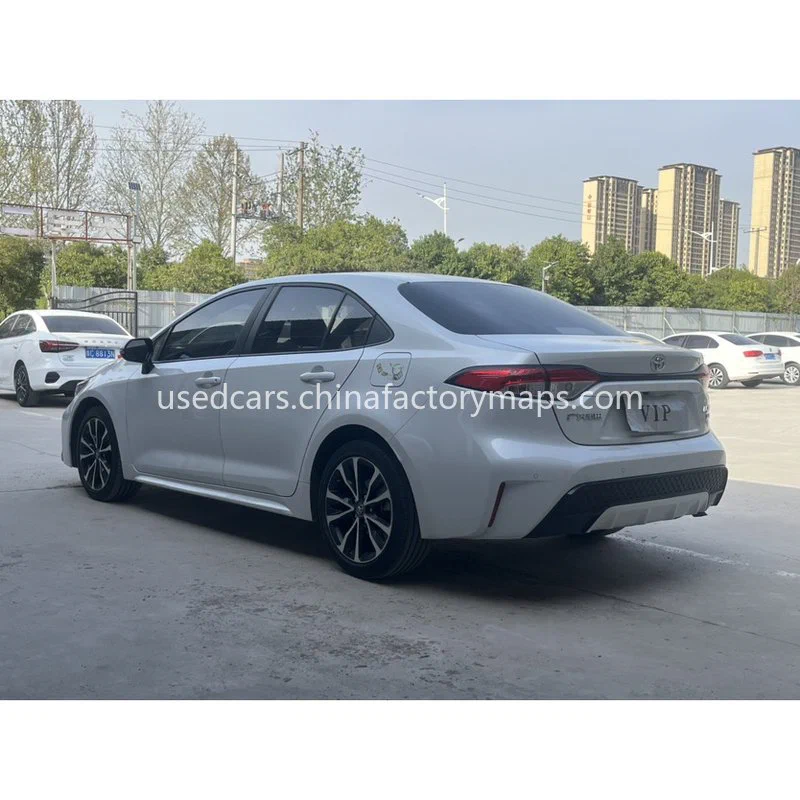
Shipping a used Mazda from China involves more than selecting a vehicle and arranging ocean freight. The export route, distance between the supplier and port, terminal handling arrangements, and choice of RoRo or container shipping all affect the logistics and cost of the shipment. Buyers comparing Mazda exporters should assess these factors alongside vehicle condition and destination-market requirements.
Choosing an Export Port for Used Mazda Vehicles
The appropriate port depends largely on where the vehicle is sourced. Guangdong-based exporters in Guangzhou and Foshan have access to Shenzhen Port and Guangzhou Port, making both relevant options for overseas buyers sourcing vehicles from southern China. The choice between them should be based on the exporter’s actual loading arrangements, available sailing services, and inland transport distance rather than the assumption that the nearest port is always the best.
For buyers working with exporters in Jiangsu, Shanghai Port, Ningbo-Zhoushan Port, and Taicang Port are important options to compare. Exporters around Nanjing and Changzhou may have different inland transport requirements depending on the selected terminal. Hubei suppliers around Wuhan can also be assessed against coastal shipping routes, including Shanghai and Ningbo-Zhoushan. The additional road or rail movement to a coastal port should form part of the freight calculation.

Other mapped sourcing areas have their own geographical considerations. Chongqing exporters may need to arrange inland movement before vehicles reach a coastal departure point, while exporters in Zhengzhou and Beijing can compare access to northern and eastern port networks. Qingdao Port, Tianjin Port, and Lianyungang Port are relevant alternatives within the directory’s covered port network. Buyers sourcing from Sichuan, Hunan, or Shandong should similarly establish the actual collection point and proposed port of loading before comparing quotations.
Port Distance, Terminal Capacity and Loading Method
Distance matters because a complete vehicle must reach the export terminal in a suitable condition and within the required shipping schedule. Every additional inland transport stage introduces handling, coordination, and potential scheduling costs. For a single Mazda, these costs may have a different effect on the total shipment than they would for a larger wholesale order. Buyers should request the inland transport arrangement, identify who is responsible for delivery to the terminal, and establish whether the quoted freight includes these movements.
Terminal capability is another consideration. RoRo shipping requires suitable vehicle-handling facilities and an available sailing arrangement that accepts the shipment. A port’s general cargo capacity does not automatically mean that a particular vehicle can be loaded on a convenient schedule. Buyers should confirm the actual RoRo service, vehicle acceptance conditions, terminal procedures, and expected loading window with the exporter or freight forwarder. A nearby port without a suitable sailing may be less practical than a more distant port with an established vehicle export service.
Container shipping provides a different set of trade-offs. A Mazda sedan, SUV, or MPV can be shipped inside a container, subject to vehicle dimensions, loading equipment, and securing arrangements. The number of vehicles that fit depends on the specific models, container dimensions, and loading configuration. It should never be assumed that a fixed number of Mazda vehicles will fit every container. Buyers should request a proposed loading plan, including clearance measurements, wheel positioning, securing points, and the method used to prevent vehicle movement during transit.
The choice between RoRo and container shipping also affects transit handling and exposure. RoRo involves driving or moving the vehicle through designated terminal and vessel operations. Container loading requires additional preparation and securing, but can provide an enclosed shipping environment. Neither method eliminates the possibility of damage. For higher-value Mazda models or vehicles with sensitive exterior finishes, buyers should document the condition before collection, before loading, and after arrival. Photographs of body panels, wheels, glass, interior surfaces, and the odometer provide useful reference points if a transport claim becomes necessary. Marine insurance should be reviewed separately, including its exclusions and claim requirements.
Export Preparation and Vehicle Verification
Port selection should follow a clear export preparation process. China’s used vehicle exports operate through designated export pilot cities and require the relevant export licensing, customs declaration, and pre-shipment inspection. Buyers should confirm that the exporter can complete the applicable procedures and provide the documents needed for shipment. These commonly include export documentation, inspection records, and the bill of lading after vessel departure. Responsibility for each stage should be agreed before payment and vehicle collection.
Vehicle verification remains a separate task from export compliance. A Mazda described as certified pre-owned or associated with a mazda cpo programme should not automatically be treated as equivalent to a vehicle carrying a current manufacturer-backed certification in the destination country. Buyers should establish what the description means in the supplier’s market and request supporting records. VIN checks, service history, accident records, mileage evidence, and an independent inspection can help establish the vehicle’s documented background. The directory identifies exporters geographically; it does not independently guarantee the condition or history of listed vehicles.
Used Mazda electric vehicles require additional preparation. Battery state of health should be checked through available diagnostic records, with attention to reported capacity, fault history, and charging performance. Buyers should also confirm whether the vehicle’s battery can be accepted under the proposed shipping arrangement and whether additional battery transport documentation or handling procedures apply. RoRo and container operators may have different acceptance conditions for electric vehicles. The exporter should confirm these requirements with the carrier before the vehicle is moved to the terminal.

Destination-market compliance must also be checked before shipment. Rules can differ on vehicle age, emissions, roadworthiness, steering configuration, and homologation. Most Chinese domestic vehicles are left-hand drive, which limits their suitability for markets that require exclusively right-hand-drive vehicles. Import duties and other charges also depend on the destination’s current regulations. Buyers should obtain confirmation from the relevant customs authority or a qualified local import agent rather than relying on a supplier’s general statement about export eligibility.
Comparing Exporters by Location and Logistics
A map-based directory makes it possible to compare the geographical position of exporters against the ports they propose to use. For Mazda sourcing, the useful comparison is not simply which province has the most suppliers. It is whether an exporter has a practical route to a suitable vehicle terminal, whether the proposed shipping method is available, and whether the inland movement is included in the quotation. An exporter located farther from the coast may still offer a workable route if its logistics arrangements are established and transparent.

Buyers should compare quotations on the same basis. One offer may include inland collection, inspection, customs handling, and terminal delivery, while another may cover only the vehicle and ocean freight. Differences in loading method, insurance, port charges, and documentation can make headline shipping figures misleading. Before confirming an order, obtain the proposed port of loading, shipping method, estimated departure schedule, vehicle identification details, inspection arrangements, and a breakdown of charges. This information makes exporter comparisons more meaningful and helps identify logistical gaps before payment.
FAQ
Q: Which Chinese ports are suitable for shipping used Mazda cars?
A: Relevant ports include Shanghai, Ningbo-Zhoushan, Shenzhen, Guangzhou, Qingdao, Tianjin, and Taicang. The appropriate choice depends on exporter location, available vehicle terminal services, and the proposed shipping method.
Q: Is RoRo or container shipping better for exporting a used Mazda?
A: RoRo can suit vehicles accepted by scheduled vehicle carriers, while container shipping offers enclosed transport and specific loading arrangements. The decision should account for vehicle dimensions, handling requirements, carrier availability, total logistics costs, and any special battery transport conditions for electric models.
Featured Exporters
Verified premium exporters on our map.
 JH Auto Group
Guangzhou, Guangdong
Nearest port: Guangzhou Port · 24 km
At jh-usedcar.com, we’re more than just a seller; we’re your partner in finding exceptional value. We combine …
 Guangzhou JH auto co,ltd
Guangzhou, Guangdong
Nearest port: Guangzhou Port · 23 km
Guangzhou JH Auto Co., Ltd (JH Auto) buys used, left-hand-drive Chinese cars in China, inspects and documents …