
Used Audi Models: Comparing Quattro AWD and Front-Wheel Drive
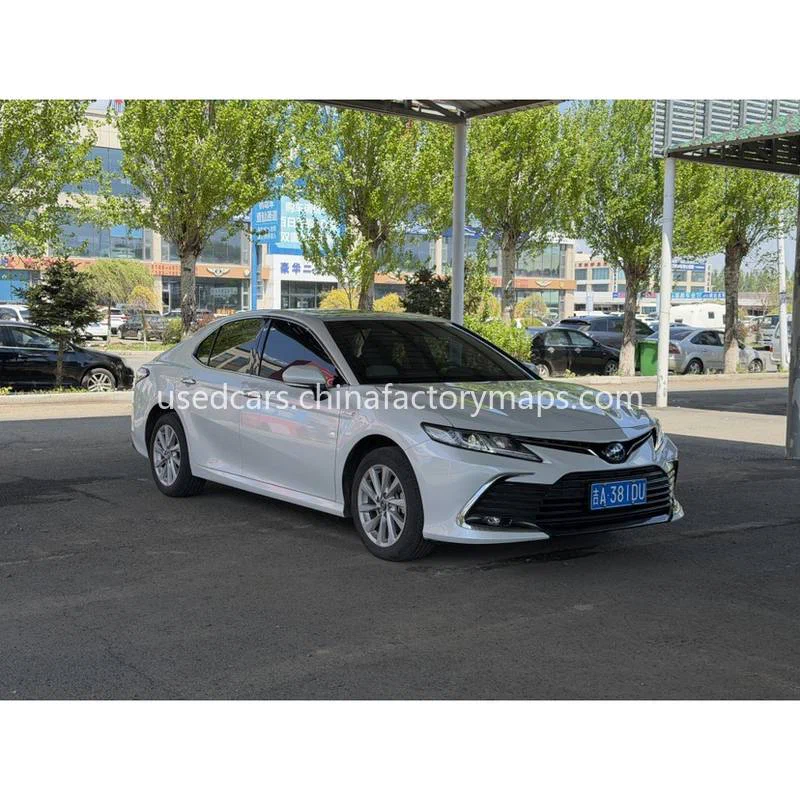
Audi export buyers need to compare drivetrain configuration, engine specifications and destination-market requirements before selecting a vehicle. Quattro all-wheel drive and front-wheel drive serve different operating needs, while emissions compliance, steering position and maintenance access can determine whether a vehicle is practical to import and support.
Quattro AWD and Front-Wheel Drive: Technical Differences
Quattro is Audi’s all-wheel-drive system, although its implementation varies by model, generation and powertrain. Depending on the configuration, it distributes drive between the front and rear axles to improve traction when accelerating on slippery surfaces or travelling over uneven ground. The additional drivetrain hardware can increase mechanical complexity, vehicle weight and maintenance requirements. Buyers should identify the exact system fitted rather than assume every Quattro model uses the same components or operating characteristics.
Front-wheel-drive Audi models send engine power to the front wheels. They generally have fewer drivetrain components than comparable all-wheel-drive versions, which can simplify some maintenance tasks and reduce certain repair costs. For buyers supplying markets with predominantly paved roads and moderate weather, front-wheel drive may meet everyday transport needs without the additional complexity of AWD. Actual fuel consumption and performance depend on the specific engine, transmission, vehicle weight and condition, so comparisons should use equivalent model years and powertrain specifications.
Export Suitability: Compliance, Parts and Logistics
Powertrain selection is only one part of the sourcing decision. Engine displacement, fuel type and the applicable emissions certification determine whether a vehicle can enter a particular destination market. A model that is acceptable in one country may fail another country’s requirements because of its emissions classification, vehicle age restrictions or homologation rules. Before committing to a shipment, buyers should confirm current import regulations with the destination authority and check the vehicle’s supporting documentation. An advertised specification alone does not establish import eligibility.

Steering position can be equally decisive. Most vehicles built for China’s domestic market are left-hand drive, including many Audi sedans and SUVs. This configuration suits markets that permit or require left-hand-drive vehicles, but it can exclude destinations where right-hand drive is mandatory or where left-hand-drive registration is restricted. Buyers should verify both the legal requirements and local road-use conditions. A technically compliant vehicle is not necessarily a commercially suitable choice if its steering configuration limits registration or resale.
Parts availability affects the ownership proposition after import. Audi components may be shared across certain engines, transmissions or model generations, but compatibility should never be assumed from the badge alone. Quattro-specific components, different transmission variants and model-specific electronic systems can create additional sourcing requirements. Before purchasing used cars audi buyers should compare the vehicle identification number, engine code, transmission type and equipment specification against local parts catalogues or supplier records. Service history, diagnostic scans and an independent inspection can help identify potential repair needs, but none guarantees future reliability.
The export route also matters. China’s used vehicle exports operate through designated export pilot cities and require export licensing, customs declaration and pre-shipment inspection. Vehicles can travel by roll-on/roll-off shipping or inside containers, depending on the vehicle, route and logistics arrangement. ChinaFactoryMaps.com helps buyers compare mapped exporters by location and distance to covered ports, including Shanghai Port, Ningbo-Zhoushan Port and Shenzhen Port. Proximity can inform logistics planning, but the actual port of loading, inland transport arrangements and shipping method should be confirmed with the exporter and freight forwarder.
Selecting a Configuration for the Destination
For buyers prioritising traction in challenging weather or on uneven roads, Quattro may justify its additional mechanical complexity, provided the destination supports the vehicle and suitable servicing is available. Front-wheel drive can be a practical alternative for routine urban and highway use where all-wheel-drive capability is unnecessary. In either case, compare equivalent specifications and verify condition, mileage records and accident history through available documentation and independent checks. The directory identifies sourcing locations; it does not certify individual vehicles or guarantee their condition.

FAQ
Q: Is Quattro always the better option for export?
A: No. Quattro can provide useful traction, but front-wheel drive may be more suitable where operating conditions, maintenance access and ownership costs favour a simpler drivetrain.
Q: What should buyers verify before exporting a used Audi?
A: Confirm destination import eligibility, emissions classification, steering position, VIN-linked specifications, service records and inspection findings before arranging shipment.
Q: Does a shorter distance to an export port guarantee lower shipping costs?
A: No. Inland transport is only one cost factor; port handling, shipping method, route availability and destination charges also affect the total.
Featured Exporters
Verified premium exporters on our map.
 JH Auto Group
Guangzhou, Guangdong
Nearest port: Guangzhou Port · 24 km
At jh-usedcar.com, we’re more than just a seller; we’re your partner in finding exceptional value. We combine …
 Guangzhou JH auto co,ltd
Guangzhou, Guangdong
Nearest port: Guangzhou Port · 23 km
Guangzhou JH Auto Co., Ltd (JH Auto) buys used, left-hand-drive Chinese cars in China, inspects and documents …