
Used Car Reviews for Buyers in Hot, Humid Markets
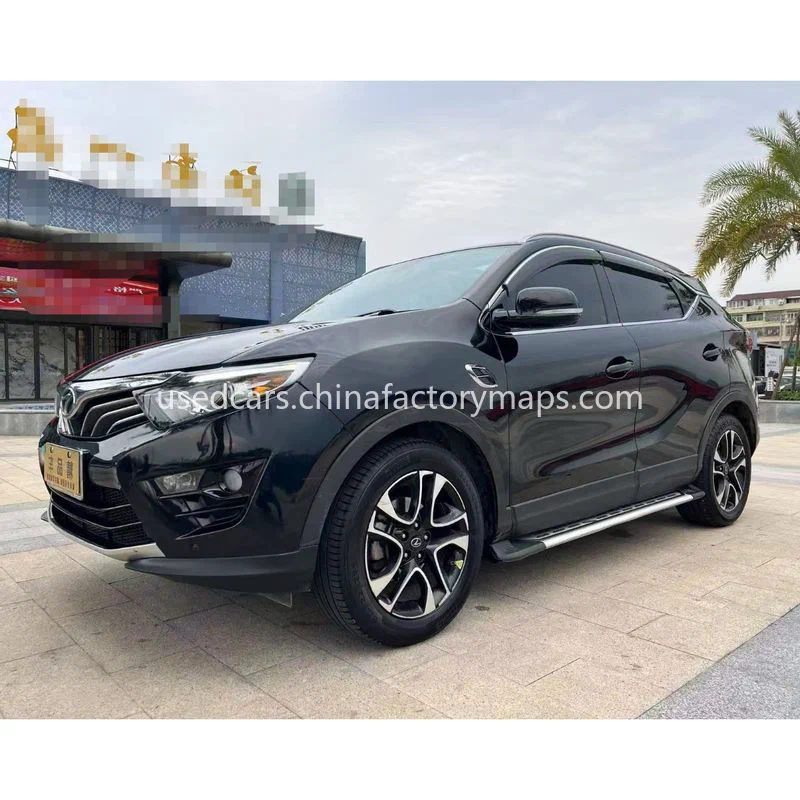
Hot, humid climates test a used vehicle’s cooling system, air conditioning, seals and corrosion protection. This guide focuses on how destination conditions and import rules should shape vehicle specifications, inspections and sourcing from China.
Start With Destination Requirements
The destination market sets the first filters. Confirm whether imported vehicles must meet age, emissions, roadworthiness or homologation requirements, and whether the rules differ by fuel type or vehicle class. Requirements change, so verify them with the relevant local authorities or an import professional before choosing stock. Check the allowed drive side, too: most Chinese domestic vehicles are left-hand drive, which excludes them from markets that accept only right-hand-drive vehicles.
Then match the vehicle to local use. Frequent traffic, steep roads, heavy passenger loads or long distances can put sustained pressure on the cooling system and transmission. In hot, humid conditions, ask for evidence that the radiator, cooling fans, hoses, thermostat and air conditioning have been inspected. A specification that looks suitable on paper is not enough if the vehicle has signs of overheating, weak airflow or coolant leaks.
Inspect for Heat, Moisture and Serviceability

Humidity raises the importance of checking for water intrusion and corrosion. Inspect carpets, seat rails, spare-wheel wells, door seals and electrical connectors for dampness, staining or residue. Look underneath for corrosion around brake lines, suspension mounting points and the exhaust system. None of these checks proves a vehicle’s full history; request dated service records where available and compare them with the odometer, diagnostic data and visible wear.
Fuel quality and workshop coverage matter after arrival. Confirm that the engine is suited to the fuel grades available locally, and identify whether filters, sensors and other routine service items can be sourced nearby. For a commercial vehicle, the same question applies to high-wear components and the service network capable of handling its payload and duty cycle. A model with limited local parts support may cost more to keep working, even if its purchase specification appears attractive.
The inspection brief should be specific rather than generic. Ask for a cold start, a scan for stored fault codes, checks for air-conditioning performance and a road test after the engine reaches operating temperature. Request clear photographs of the underbody, engine bay, cabin and identification plates, along with a vehicle inspection report if available. Use mileage verification and a VIN check where suitable records can be accessed, but treat neither as a substitute for an independent inspection.

Match Supply and Shipping to the Order

China’s exporter clusters give buyers several sourcing routes. Guangdong listings include Guangzhou and Foshan, while Hubei includes Wuhan; Chongqing, Jiangsu, Henan and other mapped provinces offer additional locations to compare. The directory’s map can help assess an exporter’s location against covered ports such as Guangzhou Port, Shenzhen Port, Shanghai Port or Ningbo-Zhoushan Port. Distance is one planning factor, not proof of lower total logistics cost or a shorter schedule.
China’s used vehicle exports run through designated export pilot cities and require export licensing, customs declaration and pre-shipment inspection. Confirm who handles each step and what documents will be supplied before committing to a vehicle. Shipping may be by RoRo or in a container; the appropriate method depends on the vehicle, route and booking conditions. Agree on the port of loading and inspect the vehicle before dispatch, since transit does not resolve uncertainties about condition or paperwork.
For electric vehicles, add battery-specific checks. Request a battery state-of-health assessment and diagnostic results, and establish how the vehicle will be prepared for transport under applicable carrier requirements. Confirm charging compatibility and local repair support in the destination market. These checks sit alongside the same import-rule review required for combustion vehicles; eligibility can depend on rules that vary by destination and may change.
Treat online used car reviews as a starting point for questions, not as evidence about a particular export unit. Compare the written specification with inspection records, identification details and recent images, then resolve inconsistencies before shipment. For any vehicle type, keep the destination’s rules, operating conditions and available service support in view when comparing exporters and stock.
FAQ
Q: What should a buyer prioritize when inspecting a used car for a hot, humid market?
A: Check the cooling system, air conditioning, seals, electrical connectors and underbody for faults or moisture-related damage. Request records and independent inspection evidence, but do not treat condition or mileage as guaranteed.
Q: Can a left-hand-drive vehicle be imported into any hot-climate market?
A: No. Drive-side rules vary, and most Chinese domestic vehicles are left-hand drive. Confirm the destination’s current import and registration requirements before sourcing.
Featured Exporters
Verified premium exporters on our map.
 Guangzhou JH auto co,ltd
Guangzhou, Guangdong
Nearest port: Guangzhou Port · 23 km
Guangzhou JH Auto Co., Ltd (JH Auto) buys used, left-hand-drive Chinese cars in China, inspects and documents …
 JH Auto Group
Guangzhou, Guangdong
Nearest port: Guangzhou Port · 24 km
At jh-usedcar.com, we’re more than just a seller; we’re your partner in finding exceptional value. We combine …