
Used Mercedes-Benz Models Compared by Petrol and Diesel Drivetrains
Mercedes-Benz petrol and diesel models differ in fuel use, maintenance needs, driving characteristics and suitability for export markets. For overseas buyers sourcing complete used vehicles from China, the right choice depends on destination regulations, drivetrain configuration, parts support and the cost of preparing each vehicle for shipment.
Petrol and diesel: differences that affect export decisions
Petrol-powered Mercedes-Benz sedans and SUVs can suit buyers who prioritise quieter operation, smooth acceleration and access to familiar servicing procedures. Depending on the engine and model generation, petrol variants may have simpler exhaust after-treatment systems than comparable diesels. However, direct-injection petrol engines can still require attention to fuel-system components, ignition equipment, turbochargers and emissions controls. Buyers should compare the specific engine code and service records rather than treating petrol models as a single category.
Diesel variants often deliver stronger low-speed torque and lower fuel consumption under comparable driving conditions, particularly in larger SUVs and vehicles used for frequent highway travel. Their trade-offs include diesel particulate filters, exhaust-gas recirculation systems and, on applicable models, selective catalytic reduction equipment using diesel exhaust fluid. These systems can become expensive to diagnose or repair when maintenance has been deferred. In destinations where suitable diesel fuel, diagnostic equipment or replacement components are difficult to obtain, the apparent fuel-efficiency advantage may not justify the added servicing burden.
Model selection, emissions and destination compatibility
The C-Class and E-Class provide useful starting points for comparing petrol and diesel Mercedes-Benz sedans. A petrol C-Class may fit buyers seeking a compact executive car for urban use, while an E-Class can serve buyers who need more cabin space and highway comfort. Diesel versions may be attractive for sustained long-distance use, but their suitability depends on the vehicle’s actual emissions configuration and the destination’s inspection requirements. Larger GLC, GLE and GLS SUVs introduce further considerations, including tyre costs, suspension complexity, vehicle dimensions and fuel consumption.
An advertised model year does not establish import eligibility. Different engine generations can meet different emission standards, and the relevant standard must be verified from documentation and, where necessary, the vehicle identification number (VIN) and manufacturer records. Destination markets may impose restrictions based on vehicle age, emissions, roadworthiness or other approval requirements, and these rules can change. Buyers should confirm the current requirements with the destination’s customs authority or an authorised import specialist before committing to a vehicle. A car that can legally leave China is not automatically eligible for registration in its destination market.
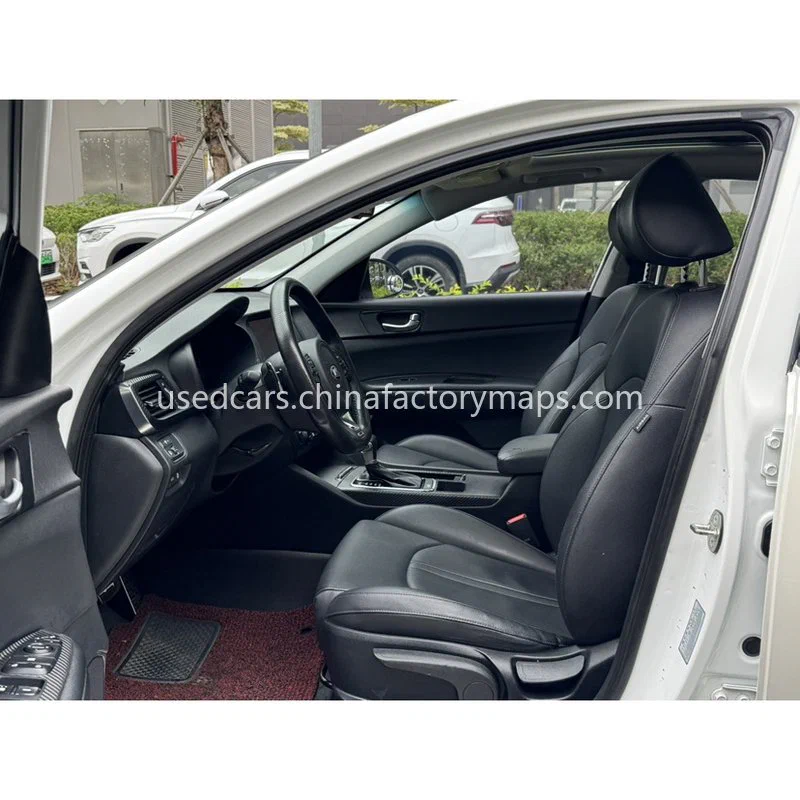
Drive side also matters. Most vehicles produced for China’s domestic market are left-hand drive, which can exclude them from markets that permit only right-hand-drive vehicles or impose restrictive conditions on left-hand-drive imports. Where both configurations are permitted, buyers should still assess local road conventions, resale demand and registration rules. For pre owned cars mercedes sourcing, checking the exact steering configuration in listing photographs and inspection records helps prevent a costly mismatch between the vehicle and its intended market.

Parts support, inspection and shipment planning
Parts availability should influence the choice between petrol and diesel before a purchase is approved. Common service items may be accessible through established Mercedes-Benz repair networks, but engine-specific components, electronic modules and diesel after-treatment parts can be harder to source in some destinations. Buyers should check whether local workshops can access compatible diagnostic tools and obtain the relevant parts. A vehicle with a documented maintenance history may be easier to assess, but records do not replace an independent inspection. Verify mileage against available service documents, inspect for accident repairs and corrosion, scan control modules for stored faults, and test the engine and transmission where operational testing is possible.

China’s used vehicle exports operate through designated export pilot cities and require the applicable export licensing, customs declaration and pre-shipment inspection procedures. Exporters may arrange transport through RoRo services or container shipping, depending on the vehicle, route and shipment plan. The directory maps exporters across Guangdong, Hubei, Chongqing, Jiangsu, Henan, Sichuan, Beijing, Hunan and Shandong, with distance information for covered ports including Shanghai Port, Ningbo-Zhoushan Port, Shenzhen Port and Guangzhou Port. Geographic proximity can help buyers compare inland transport and port options, but it does not establish a supplier’s compliance status or guarantee a shorter total transit time. Confirm the exporter’s documentation process, intended port of loading, shipping arrangement and responsibility for inspection before agreeing to a transaction.
FAQ
Q: Is a petrol or diesel Mercedes-Benz better for export?
A: Petrol may suit buyers prioritising urban use and simpler servicing, while diesel can fit sustained highway use. Destination regulations, fuel availability and the specific engine’s condition should determine the final choice.
Q: How can buyers check whether a used Mercedes-Benz meets destination requirements?
A: Verify the VIN, engine specification, documented emissions standard, steering configuration and current import rules with the relevant authority or an authorised import specialist. Do this before payment or shipment arrangements are finalised.
Q: Does the nearest export port determine the best exporter?
A: No. Port distance helps compare potential logistics costs, but buyers should also assess documentation, inspection arrangements, vehicle condition and shipping options. The directory’s map supports geographic comparison rather than certifying individual exporters.
Featured Exporters
Verified premium exporters on our map.
 Guangzhou JH auto co,ltd
Guangzhou, Guangdong
Nearest port: Guangzhou Port · 23 km
Guangzhou JH Auto Co., Ltd (JH Auto) buys used, left-hand-drive Chinese cars in China, inspects and documents …
 JH Auto Group
Guangzhou, Guangdong
Nearest port: Guangzhou Port · 24 km
At jh-usedcar.com, we’re more than just a seller; we’re your partner in finding exceptional value. We combine …