
Used Vehicles for Family Transport Across East Africa's Roads
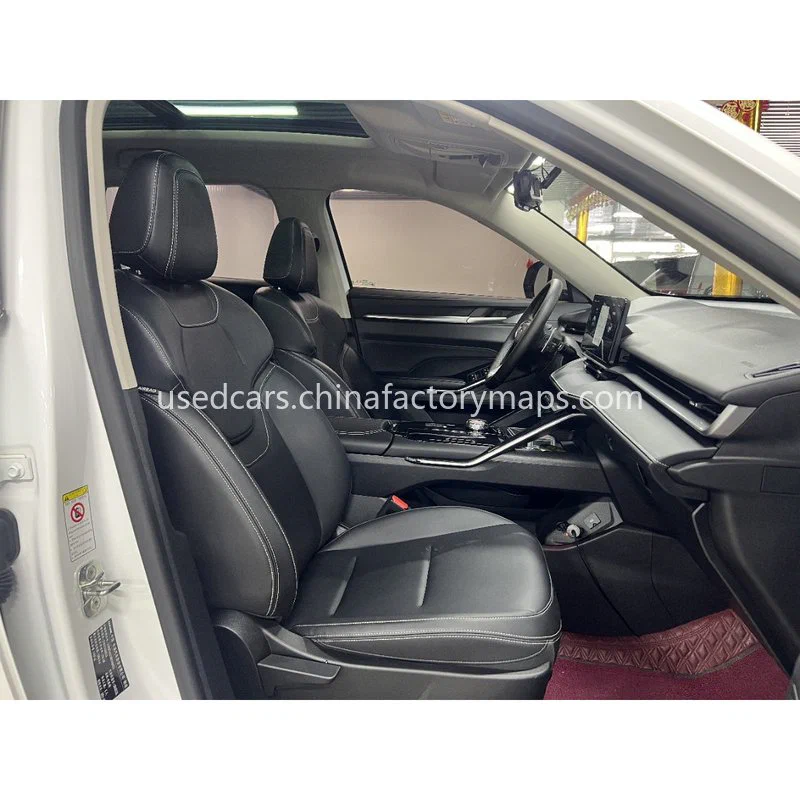
Family transport buyers sourcing used vehicles from China for East African markets need to assess more than purchase price. Vehicle configuration, road conditions, maintenance access and destination import rules all affect whether a car or multipurpose vehicle suits daily use. ChinaFactoryMaps.com helps buyers compare exporter locations and their distance from major export ports without acting as a seller or endorsing individual suppliers.
Matching vehicle specifications to East African conditions

Family journeys across East Africa can involve congested urban streets, long intercity routes, steep gradients and unpaved rural roads. The right vehicle depends on where it will operate and how many passengers it must carry. A sedan may suit urban commuting and paved highways, while an SUV can offer greater ground clearance for uneven surfaces. An MPV may be more practical for larger households or passenger services, provided its seating configuration and luggage capacity meet the intended use.
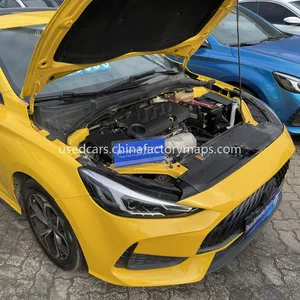
Ground clearance deserves particular attention where road surfaces deteriorate during rainy periods. Buyers should examine suspension components, underbody damage, tyre condition and evidence of previous repairs. Air conditioning also matters in hot conditions, especially for vehicles carrying children or older passengers. Ask for photographs of the engine bay, underbody, interior and instrument panel, along with a recent inspection report where available. These records help identify questions for an independent inspection; they do not guarantee the vehicle’s condition.
Drive side, emissions and import eligibility

Most vehicles built for China’s domestic market are left-hand drive. This can suit destinations where left-hand-drive vehicles are permitted, but buyers must confirm the rules in the country where the vehicle will be registered. Right-hand-drive requirements or restrictions can exclude an otherwise suitable vehicle before shipping costs are incurred. Import eligibility should therefore be checked before selecting a particular model or paying a deposit.
Age limits, emissions rules, roadworthiness standards and inspection procedures vary across East African destinations and may change. A vehicle accepted in one country may face restrictions in another. Buyers should confirm the current requirements with the relevant national transport or customs authority, including whether the intended vehicle category is eligible for import and registration. The exporter should also confirm the documentation available for export licensing, customs declaration and pre-shipment inspection in China. Neither a listing nor a seller’s verbal assurance replaces official confirmation of destination requirements.
Fuel availability and service support also influence model selection. Petrol and diesel vehicles should be assessed against the fuel grades commonly available along the intended routes, as well as the manufacturer’s specifications. Modern engines with complex emissions-control systems may require diagnostic equipment and specialist parts that are not readily available in every location. Before choosing a model, identify local workshops that can service its engine, transmission, braking system and electronic components. A lower initial purchase price can be offset by prolonged downtime if routine repairs require imported parts.
Choosing Chinese exporter locations and shipping routes
ChinaFactoryMaps.com plots used vehicle exporters across several Chinese provinces, allowing buyers to compare locations before requesting quotations. Guangdong has mapped exporters in Guangzhou and Foshan, while Hubei includes Wuhan. Other mapped clusters include Chongqing, Jiangsu around Nanjing and Changzhou, Henan around Zhengzhou, Sichuan around Neijiang, Beijing, Hunan around Zhuzhou and Shandong around Liaocheng. These locations provide a starting point for supplier research, not proof that every exporter handles every vehicle type or has experience with every East African destination.
Distance to port can affect domestic transport arrangements, vehicle handling and the time needed to move stock for shipment. The relevant port depends on the exporter’s location, shipping arrangements and the available service for the destination. Ports covered by the directory include Shanghai Port, Ningbo-Zhoushan Port, Shenzhen Port, Guangzhou Port, Qingdao Port and Tianjin Port, among others. A nearby port is not automatically the cheapest or fastest option. Buyers should compare the complete quotation, including inland movement, port handling, export documentation, ocean freight and destination charges, rather than comparing vehicle prices alone.
Vehicles generally ship by roll-on/roll-off (RoRo) or in containers. RoRo can suit vehicles that can be driven onto and off the vessel, subject to the carrier’s acceptance and route availability. Container shipping may be appropriate when the shipment configuration or handling requirements favour enclosed transport, but loading, securing and container costs must be included. The buyer should confirm the port of loading, shipping method, estimated transit time and bill of lading arrangements in writing. Marine insurance and responsibility for costs at each stage should also be clear before the booking is finalised.
Verifying vehicles before committing funds
A sourcing decision should begin with a written specification covering model, model year, engine or powertrain, transmission, seating, drive side and intended use. Buyers comparing listings can use the phrase price my used vehicle when researching valuation, but an online estimate cannot establish the export-ready cost or confirm mechanical condition. Request the vehicle identification number (VIN), available service records, mileage evidence and photographs that show existing damage. Where practical, commission an independent inspection and compare the findings with the exporter’s description before arranging payment.
Used electric vehicles require additional checks. Battery state of health, remaining driving range, charging compatibility and battery diagnostic records can affect suitability for family travel, particularly where public charging is limited along the planned route. Buyers should also confirm whether battery condition documentation is available and whether the carrier has specific battery transport requirements. For any powertrain, verify that destination registration rules can be met and that routine servicing is realistic locally. Final landed-cost calculations should account for freight, insurance, duties, taxes, clearance, inspection and registration expenses using current destination-specific information.
FAQ
Q: Are Chinese left-hand-drive vehicles suitable for East African family transport?
A: They may be suitable where left-hand-drive vehicles are permitted and meet local registration requirements. Confirm the current rules for the destination country before purchasing.
Q: Which Chinese export locations should buyers compare?
A: Buyers can compare mapped exporters in Guangdong, Hubei, Chongqing, Jiangsu and other listed provinces. The directory’s location and port-distance information helps narrow the search, but each exporter must be assessed individually.
Q: What should buyers verify before shipping a used vehicle?
A: Check import eligibility, vehicle identity, mileage evidence, condition, service history and available export documents. Confirm shipping arrangements and calculate the landed cost using current freight and destination charges.
Related Articles
Featured Exporters
Verified premium exporters on our map.
 Guangzhou JH auto co,ltd
Guangzhou, Guangdong
Nearest port: Guangzhou Port · 23 km
Guangzhou JH Auto Co., Ltd (JH Auto) buys used, left-hand-drive Chinese cars in China, inspects and documents …
 JH Auto Group
Guangzhou, Guangdong
Nearest port: Guangzhou Port · 24 km
At jh-usedcar.com, we’re more than just a seller; we’re your partner in finding exceptional value. We combine …