What Are the Steps in Buying a Second-Hand Car Overseas?
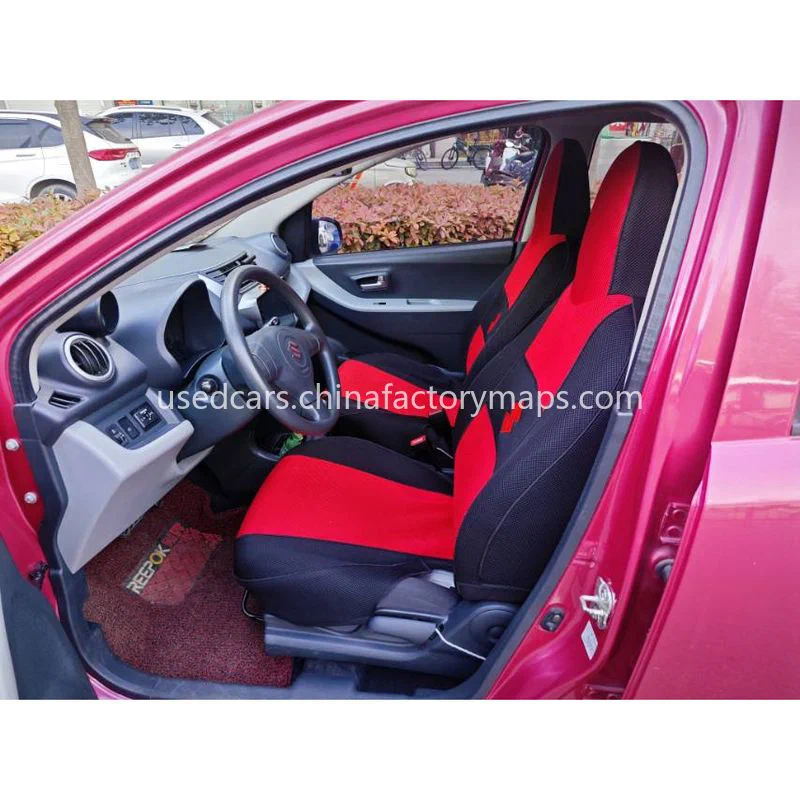
The process of buying a second-hand car overseas involves identifying a reputable exporter, ensuring compliance with import regulations in your country, and arranging shipping and documentation. This article outlines the key steps to make the transaction smoother and reduce risks.
Start by researching exporters through directories like ChinaFactoryMaps.com, which provides a map-based tool to locate used car exporters by their proximity to major Chinese ports. Focus on exporters operating from China’s designated export pilot cities, as these businesses are licensed to handle customs declarations and pre-shipment inspections required for vehicle export. Verify the exporter’s credentials, including their export license and previous shipment history, to ensure reliability.

Once you’ve selected an exporter, confirm the car’s condition and history. Request a detailed vehicle inspection report, which may include mileage verification, VIN checks, and service history. For new energy vehicles, ensure the battery’s state of health is documented, as this is a critical factor in determining the vehicle’s usability and value. Be cautious, as the directory cannot guarantee the accuracy of these reports; it’s advisable to cross-check them with third-party inspection services.

Next, familiarize yourself with the import regulations of your destination country. These rules vary widely and may include restrictions on vehicle age, emission standards, and drive-side compatibility. For example, most Chinese vehicles are left-hand drive, which may not be suitable for right-hand-drive markets. Import duties, taxes, and homologation requirements should also be calculated to avoid unexpected costs. Consult a local customs broker or import specialist to confirm the current regulations.

Shipping logistics are another critical component. Vehicles can be shipped via roll-on/roll-off (RoRo) vessels or in containers, depending on the port facilities and your preferences. Discuss these options with the exporter and consider additional costs such as freight forwarding, marine insurance, and transit time. Ensure that the exporter provides all necessary documentation, including the bill of lading, export declaration, and certificate of origin, which are essential for customs clearance at the destination port.
Finally, plan for payment and post-purchase considerations. Many exporters require full payment upfront, often via wire transfer. Verify the payment terms and consider using escrow services for added security. After the car arrives, arrange for local inspections to confirm its roadworthiness and register the vehicle according to local laws. Keep in mind that after-sales support may be limited, so ensure spare parts and service options are available for the model you purchase.
FAQ
Q: What documents are required for importing a used car? A: Key documents include the bill of lading, export declaration, certificate of origin, and a pre-shipment inspection report.
Q: Can I import a right-hand-drive car from China? A: Most Chinese vehicles are left-hand drive, so it’s important to check if your destination country allows left-hand-drive imports.
Q: How do I verify the condition of a used car before purchase? A: Request a detailed vehicle inspection report and consider hiring an independent third-party inspection service to confirm its accuracy.
Featured Exporters
Verified premium exporters on our map.
-
 JH Auto Group
Guangzhou, Guangdong
Nearest port: Guangzhou Port · 24 km
At jh-usedcar.com, we’re more than just a seller; we’re your partner in finding exceptional value. We combine …
JH Auto Group
Guangzhou, Guangdong
Nearest port: Guangzhou Port · 24 km
At jh-usedcar.com, we’re more than just a seller; we’re your partner in finding exceptional value. We combine …
-
 Guangzhou JH auto co,ltd
Guangzhou, Guangdong
Nearest port: Guangzhou Port · 23 km
Guangzhou JH Auto Co., Ltd (JH Auto) buys used, left-hand-drive Chinese cars in China, inspects and documents …
Guangzhou JH auto co,ltd
Guangzhou, Guangdong
Nearest port: Guangzhou Port · 23 km
Guangzhou JH Auto Co., Ltd (JH Auto) buys used, left-hand-drive Chinese cars in China, inspects and documents …