What Determines the Best Price for a Used Car in Global Markets?
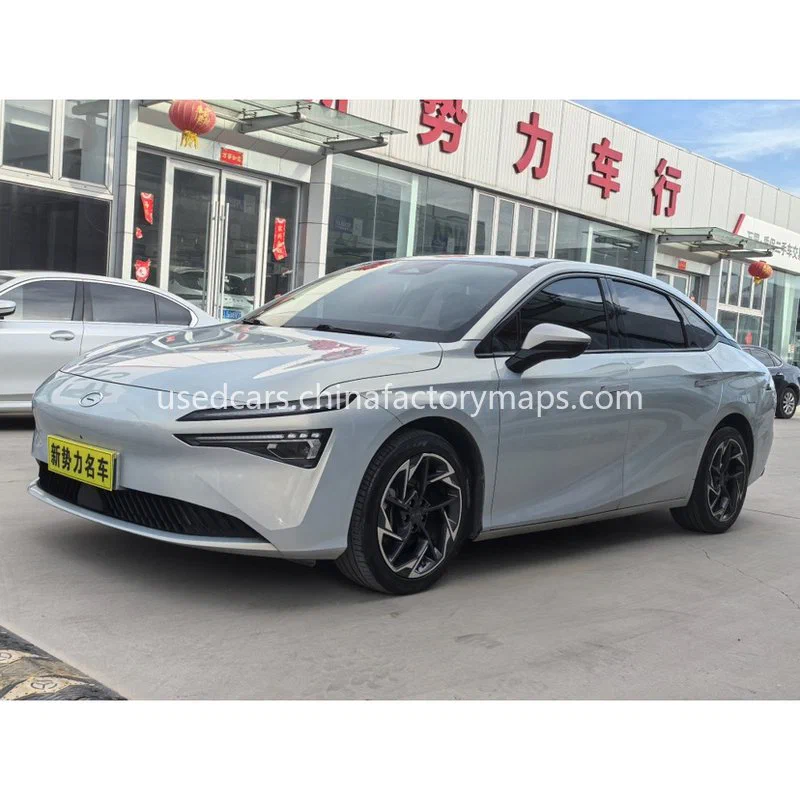
The best price for a used car in global markets is influenced by factors such as vehicle condition, demand in the destination market, and associated export costs. However, local import regulations, shipping methods, and currency fluctuations can also have a significant impact on final pricing. Understanding these variables is critical for both exporters and buyers looking to negotiate favorable deals.
Vehicle condition is a primary determinant of price. Cars that have undergone comprehensive pre-shipment inspections and come with detailed vehicle condition reports, including mileage verification and accident history, generally command higher prices. Buyers should prioritize these vehicles to avoid unexpected repair costs. Importantly, electric vehicles (EVs) include additional considerations such as battery state-of-health (SoH) reports, which can greatly influence resale value.
Demand in the destination market plays a crucial role. For example, sedans and SUVs remain popular in regions like Africa and the Middle East, while markets in Southeast Asia may show a growing preference for new energy vehicles due to evolving emission standards. Exporters based near China’s designated export pilot cities, such as Guangzhou in Guangdong or Wuhan in Hubei, are often better positioned to respond to such demand trends due to their access to streamlined export processes.

Shipping costs and methods also affect overall pricing. Vehicles can be shipped either as roll-on/roll-off (RoRo) or loaded into containers, with RoRo generally being the less expensive option. However, container shipping can offer greater protection against transit damage, which is especially relevant for high-value or fragile vehicles. Proximity to major ports like Shanghai or Shenzhen can reduce domestic transport costs, potentially leading to more competitive pricing.

Local import regulations in the buyer’s country must also be considered. These regulations often include restrictions on vehicle age, emissions standards, and drive-side compatibility. For instance, most Chinese domestic vehicles are left-hand drive, which may limit their viability in countries that require right-hand-drive vehicles. Buyers should verify these requirements to avoid unexpected compliance costs or outright rejections at customs.

Currency exchange rates and payment terms can further influence pricing. Fluctuations in exchange rates between the Chinese yuan and the buyer’s local currency can impact the final cost. Some exporters offer flexible payment terms, including installment options or letters of credit, which might help mitigate these risks. Buyers should also be aware of any additional fees, such as marine insurance or customs brokerage charges, that may apply.
Finally, bulk purchases often result in discounted unit prices. Wholesalers or dealers sourcing multiple vehicles from the same exporter can benefit from economies of scale. However, ensuring consistent quality across all vehicles in a bulk order requires thorough due diligence. Buyers are advised to request detailed inspection reports for each vehicle and confirm that the exporter holds the necessary export licenses.
FAQ
Q: How can I verify the condition of a used car before purchase? A: Request a detailed vehicle inspection report and verify the mileage and accident history. For EVs, confirm the battery state-of-health.
Q: What shipping method is best for used cars? A: RoRo is generally cheaper, but container shipping offers better protection for high-value or fragile vehicles.
Q: Do all countries accept left-hand drive vehicles from China? A: No, some countries require right-hand drive vehicles. Always check local import regulations before purchase.
Featured Exporters
Verified premium exporters on our map.
-
 JH Auto Group
Guangzhou, Guangdong
Nearest port: Guangzhou Port · 24 km
At jh-usedcar.com, we’re more than just a seller; we’re your partner in finding exceptional value. We combine …
JH Auto Group
Guangzhou, Guangdong
Nearest port: Guangzhou Port · 24 km
At jh-usedcar.com, we’re more than just a seller; we’re your partner in finding exceptional value. We combine …
-
 Guangzhou JH auto co,ltd
Guangzhou, Guangdong
Nearest port: Guangzhou Port · 23 km
Guangzhou JH Auto Co., Ltd (JH Auto) buys used, left-hand-drive Chinese cars in China, inspects and documents …
Guangzhou JH auto co,ltd
Guangzhou, Guangdong
Nearest port: Guangzhou Port · 23 km
Guangzhou JH Auto Co., Ltd (JH Auto) buys used, left-hand-drive Chinese cars in China, inspects and documents …