What Makes a Used Car Price Fair?
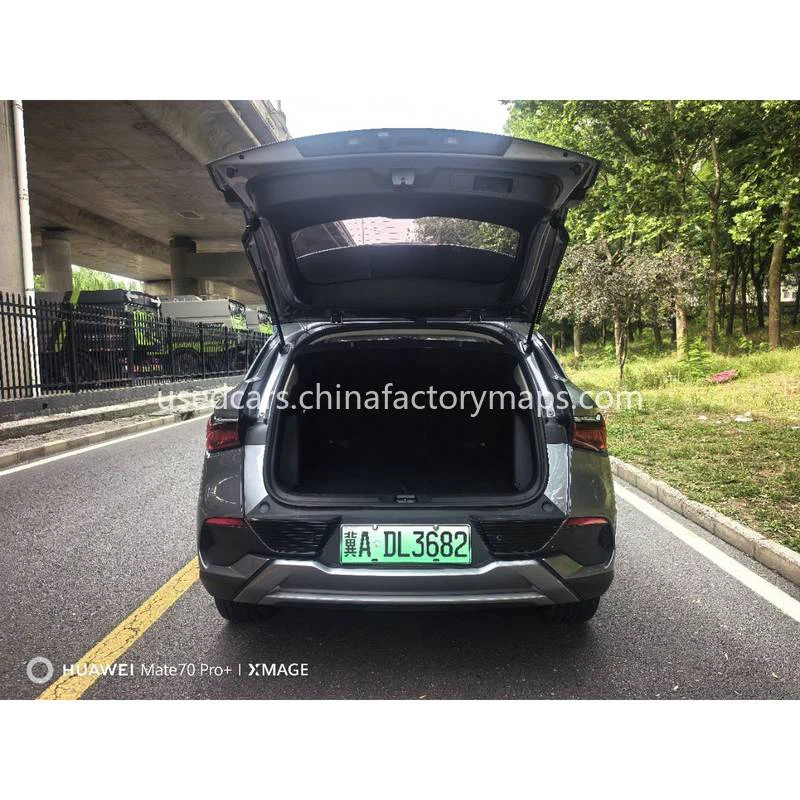
A fair price for a used car reflects its current market value based on condition, mileage, age, and demand. Evaluating these factors helps buyers and sellers agree on a reasonable price. In the context of Chinese used vehicle exports, understanding these elements is crucial for international buyers navigating the market.
Factors Influencing Used Car Prices
The condition of a vehicle significantly affects its price. Buyers should assess the exterior, interior, and mechanical condition, seeking a vehicle inspection report if possible. Vehicles with fewer signs of wear or recent reconditioning generally command higher prices. Conversely, cars with visible damage or unaddressed mechanical issues may be priced lower.
Mileage is a key determinant of a used car’s value. Generally, lower mileage suggests less wear and tear, resulting in a higher value. However, mileage should be considered alongside service history; well-maintained high-mileage vehicles can still be an attractive option. Buyers should verify mileage through documentation and VIN checks to ensure accuracy.
Age and model year also play critical roles in pricing. Newer models often have more advanced features and technology, which can increase their value. However, older models that are well-maintained or in high demand may still hold considerable value. Buyers should balance age against other factors, like condition and technology, to determine a fair price.

Market demand and supply significantly impact used car prices. Popular models or those with limited availability may see price increases. Conversely, a surplus of a particular model can drive prices down. Buyers should research current market trends and compare prices for similar vehicles to gauge fair pricing.
Specific export considerations must be taken into account for international transactions. Destination countries may impose age or emission standards, affecting which cars are permissible for import. Buyers should confirm these regulations to avoid purchasing a vehicle that cannot be legally imported.
Regional and Logistical Considerations
Buyers should consider the vehicle’s location within China, as proximity to major export ports can influence shipping costs and transit times. Export pilot cities, like Guangzhou and Chongqing, may offer logistical advantages due to established export routes and infrastructure. Understanding these regional factors can help buyers manage costs effectively.
The choice of shipping method—RoRo or container—also affects the overall cost. RoRo is typically less expensive but may offer less protection than container shipping. Buyers should evaluate these options based on cost, risk, and destination port facilities to determine the best fit for their needs.

FAQ
Q: How can I determine if a used car price is fair? A: Evaluate the car’s condition, mileage, age, and market demand. Compare similar models in the market to gauge pricing.
Q: What should I verify when buying a used car from China? A: Ensure the vehicle meets import regulations of the destination country and verify condition and mileage through inspections and documentation.
Related Articles
-
 Certified Pre-Owned Cars Under $15K: Trends in China's Export Market
-
 Qualified pre owned vehicles can offer international buyers dependable used cars with verified condition and documentation
-
 8000 used cars from China offer international buyers affordable choices across different vehicle types and specifications
-
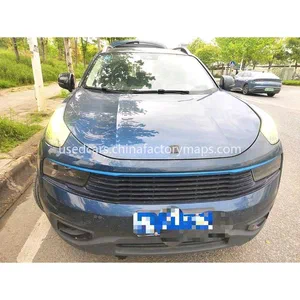 Activa second hand vehicles can provide affordable transportation options for international buyers seeking practical used vehicles
Featured Exporters
Verified premium exporters on our map.
-
 Guangzhou JH auto co,ltd
Guangzhou, Guangdong
Nearest port: Guangzhou Port · 23 km
Guangzhou JH Auto Co., Ltd (JH Auto) buys used, left-hand-drive Chinese cars in China, inspects and documents …
Guangzhou JH auto co,ltd
Guangzhou, Guangdong
Nearest port: Guangzhou Port · 23 km
Guangzhou JH Auto Co., Ltd (JH Auto) buys used, left-hand-drive Chinese cars in China, inspects and documents …
-
 JH Auto Group
Guangzhou, Guangdong
Nearest port: Guangzhou Port · 24 km
At jh-usedcar.com, we’re more than just a seller; we’re your partner in finding exceptional value. We combine …
JH Auto Group
Guangzhou, Guangdong
Nearest port: Guangzhou Port · 24 km
At jh-usedcar.com, we’re more than just a seller; we’re your partner in finding exceptional value. We combine …