What Overseas Buyers Should Check at Dealerships for Used Cars
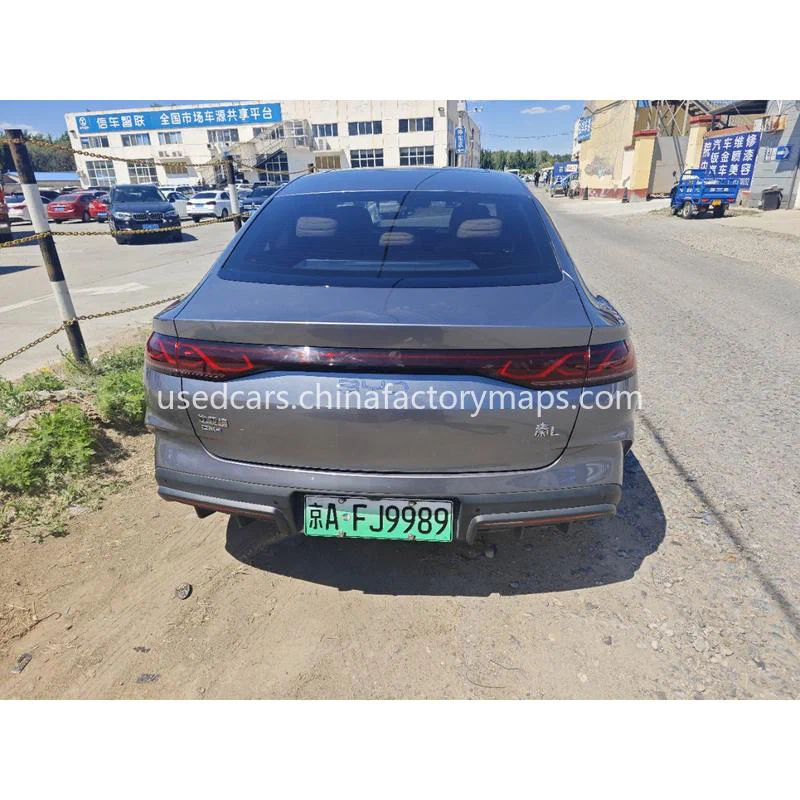
When sourcing used vehicles from dealerships in China, overseas buyers must verify a range of details to ensure compliance with import regulations and quality standards. This article outlines critical checks and considerations for buyers navigating the export market through licensed dealerships.
Key Verification Points
The condition grading of a vehicle is a fundamental check at any dealership. Chinese exporters typically use grading systems to categorize vehicle quality, but these systems may vary between sellers. Buyers should request a detailed inspection report, which includes exterior, interior, engine, and undercarriage evaluations. Service history documentation is also critical, as it reveals any major repairs and the frequency of maintenance. While mileage is often displayed, buyers should verify its accuracy through odometer readings and cross-check against maintenance records. A VIN check can further confirm the vehicle’s identity, ensuring consistency between the vehicle and its documentation.
Export Licensing and Documentation
Export licensing is mandatory for dealerships operating within China’s export pilot cities, such as Guangzhou, Wuhan, and Chongqing. Buyers should confirm the dealership’s licensing status and inquire about their familiarity with customs clearance procedures and export documentation. Essential paperwork includes the export declaration, bill of lading, and certificate of origin. A dealership that is unfamiliar with these requirements or outsources them to third parties may indicate a broker operation rather than a licensed exporter. Ensuring the dealership handles pre-shipment inspections, as required under Chinese export law, is another critical step.
Assessing Export Variability
Not all dealerships offer the same services or quality control measures. For example, larger dealerships near ports like Shanghai or Shenzhen may facilitate container shipping or RoRo options directly, while smaller operations inland may rely on external freight forwarding services. Buyers should inquire about shipping options and associated costs upfront. Additionally, the availability of pre-owned electric vehicles (EVs) may vary widely; dealerships specializing in EV exports should provide information on battery health and transport safety compliance. Buyers importing EVs should also confirm compatibility with charging standards in the destination country.

Common Pitfalls to Avoid
Several issues can arise during the sourcing process. Inconsistent documentation, such as mismatched VINs or incomplete service histories, is one of the most common problems. Buyers should also be cautious about vehicles sold without pre-shipment inspection certificates, as these are mandatory for export. Unlicensed brokers sometimes operate under the guise of dealerships, offering lower prices but leaving buyers vulnerable to delays or legal complications. Buyers should prioritize exporters with a track record of successful shipments to their intended market.
Questions to Separate Dealers from Brokers
To distinguish a licensed dealership from a broker, buyers should ask specific questions about export procedures and in-house capabilities. How does the dealership handle pre-shipment inspections? Are they directly responsible for customs clearance, or do they rely on third-party agents? Buyers should also confirm whether the dealership provides after-sales support, such as assistance with insurance claims or warranty issues. These conversations often reveal whether the dealership has the infrastructure to support overseas transactions.

FAQ
Q: What is the importance of a VIN check when buying used cars? A: A VIN check confirms the vehicle’s identity and ensures all documentation matches the physical vehicle.
Q: How can I verify a dealership’s export licensing status in China? A: Request proof of registration under China’s export pilot city program and inquire about their experience with export documentation.
Q: Are pre-shipment inspections mandatory for Chinese used vehicles? A: Yes, pre-shipment inspections are required for compliance with Chinese export regulations and destination country standards.
Related Articles
-
 What to do when buying a preowned car includes checking vehicle history condition documents and ownership records
-
 8000 used cars from China offer international buyers affordable choices across different vehicle types and specifications
-
 Certified used x5 vehicles can provide international buyers with premium SUV choices supported by vehicle inspection
Featured Exporters
Verified premium exporters on our map.
-
 JH Auto Group
Guangzhou, Guangdong
Nearest port: Guangzhou Port · 24 km
At jh-usedcar.com, we’re more than just a seller; we’re your partner in finding exceptional value. We combine …
JH Auto Group
Guangzhou, Guangdong
Nearest port: Guangzhou Port · 24 km
At jh-usedcar.com, we’re more than just a seller; we’re your partner in finding exceptional value. We combine …
-
 Guangzhou JH auto co,ltd
Guangzhou, Guangdong
Nearest port: Guangzhou Port · 23 km
Guangzhou JH Auto Co., Ltd (JH Auto) buys used, left-hand-drive Chinese cars in China, inspects and documents …
Guangzhou JH auto co,ltd
Guangzhou, Guangdong
Nearest port: Guangzhou Port · 23 km
Guangzhou JH Auto Co., Ltd (JH Auto) buys used, left-hand-drive Chinese cars in China, inspects and documents …