
What Overseas Buyers Should Check in a Used Jeep Compass
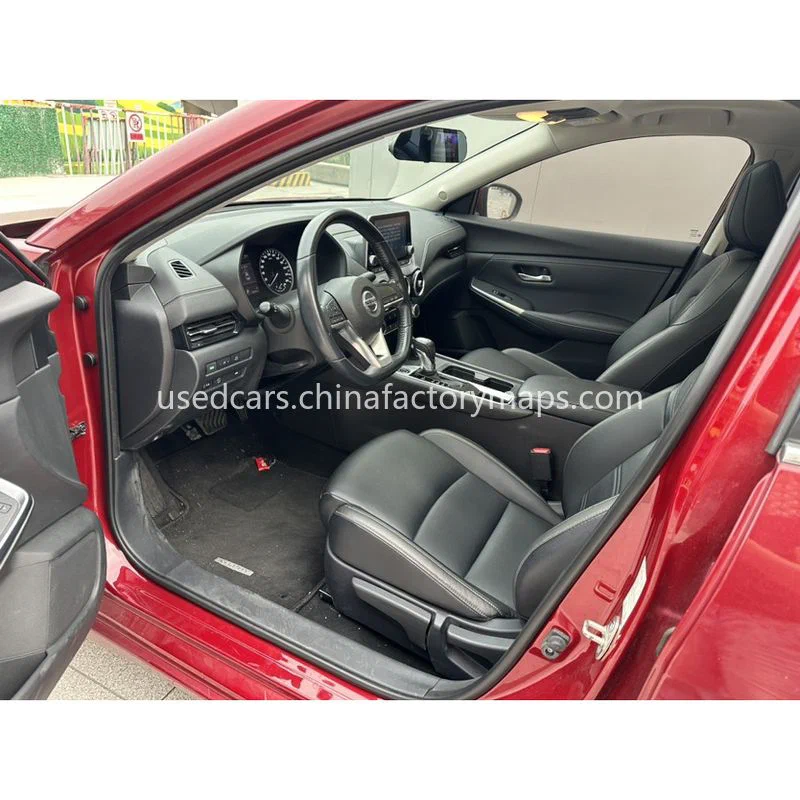
A used Jeep Compass sourced from China needs more than a visual inspection before an overseas purchase. Buyers should verify its mechanical condition, mileage, service records, vehicle identification number (VIN), and export documentation before committing to a transaction. The sourcing process also requires checking the exporter’s role and the vehicle’s suitability for the destination market.
The first check is condition grading. A seller’s description of excellent, good, or average condition has little value without supporting evidence. Request a detailed inspection report covering the engine, transmission, suspension, steering, brakes, tyres, body panels, paintwork, and interior. Pay particular attention to accident repairs, structural damage, corrosion, warning lights, and signs of water ingress. Photographs should show the exterior from multiple angles, the engine compartment, the dashboard with the ignition on, and the odometer. A remote buyer should also request a continuous walkaround video and, where practical, arrange an independent inspection before payment.
Mileage needs separate verification. Compare the odometer reading with available maintenance invoices, service records, inspection documents, and vehicle history information. Inconsistent dates or unexplained gaps deserve further investigation. The same applies to a Jeep Compass with unusually low recorded mileage but visible wear on the steering wheel, pedals, seats, or controls. A used jeep compass review should consider the vehicle’s actual operating history rather than relying on mileage alone. Buyers should also establish the model year, engine type, transmission, trim level, and original market specification. These details affect parts compatibility and resale suitability in the destination country.

The VIN provides an important link between the vehicle and its documentation. Ask the exporter for the complete VIN before paying a deposit, then compare it across the vehicle identification plate, registration documents, inspection records, and export paperwork. Any mismatch needs an explanation supported by original records. Service history should be checked for recurring mechanical problems, major component replacements, and overdue maintenance. Buyers should also ask whether the vehicle has been involved in an accident, whether airbags have been deployed, and whether any outstanding ownership or registration issues remain. Claims should be supported by records rather than verbal assurances.

Exporter arrangements vary. Chinafactorymaps.com plots used vehicle exporters across Guangdong, Hubei, Chongqing, Jiangsu, Henan, Sichuan, Beijing, Hunan, and Shandong, allowing buyers to compare supplier locations and distances to export ports. A nearby exporter may simplify vehicle collection and inland transport, but geographical convenience does not establish licensing or transaction reliability. Ask whether the business holds the required used vehicle export qualification, whether it handles export licensing and customs declaration directly, and who arranges pre-shipment inspection. A licensed exporter should be able to explain the responsible legal entity, documentation process, payment recipient, and shipping arrangements. If the contact is a broker, request the identity of the actual exporting company and establish who is contractually responsible for the vehicle and shipment.
Common problems arise when buyers treat vehicle selection and export readiness as the same task. They are not. Chinese used vehicle exports operate through designated export pilot cities and require export licensing, customs declaration, and pre-shipment inspection. Vehicles may leave through RoRo services or in containers, with the appropriate method depending on the shipment and logistics arrangement. Ports covered by the directory include Shanghai Port, Ningbo-Zhoushan Port, Shenzhen Port, Guangzhou Port, and Qingdao Port. Before shipment, confirm the destination country’s current rules on vehicle age, emissions, left-hand or right-hand drive, and roadworthiness. Most Chinese domestic vehicles are left-hand drive, which limits their suitability for markets that accept only right-hand-drive vehicles. The purchase contract should identify the exact vehicle, agreed condition, payment milestones, inspection responsibilities, and shipping documents to be provided. For an export-ready Compass, documentary consistency matters as much as the vehicle itself.
FAQ
Q: What documents should buyers request before purchasing a used Jeep Compass from China?
A: Request the VIN, available registration and ownership records, service history, inspection report, export documentation details, and a written sales contract. Confirm the export licence and customs declaration arrangements with the responsible exporter.
Q: How can overseas buyers check whether the Jeep Compass mileage is genuine?
A: Compare the odometer reading with service invoices, maintenance records, inspection documents, and visible wear. Investigate unexplained gaps or inconsistencies before making payment.
Q: Does the exporter’s distance from a Chinese port matter?
A: Yes. Distance can affect inland transport arrangements, collection costs, and shipment coordination. However, export qualifications, vehicle condition, documentation, and destination-market compliance should take priority.
Related Articles
Featured Exporters
Verified premium exporters on our map.
 JH Auto Group
Guangzhou, Guangdong
Nearest port: Guangzhou Port · 24 km
At jh-usedcar.com, we’re more than just a seller; we’re your partner in finding exceptional value. We combine …
 Guangzhou JH auto co,ltd
Guangzhou, Guangdong
Nearest port: Guangzhou Port · 23 km
Guangzhou JH Auto Co., Ltd (JH Auto) buys used, left-hand-drive Chinese cars in China, inspects and documents …